
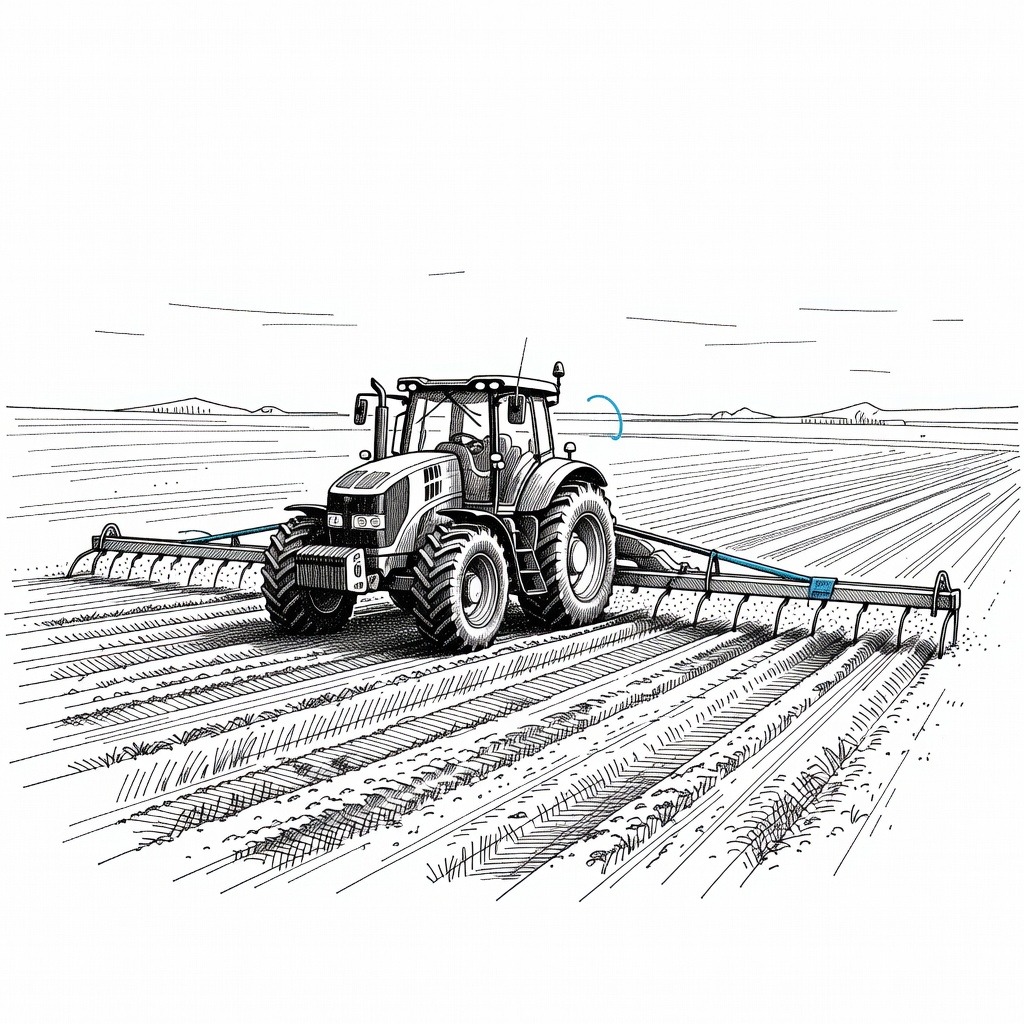
• Expose Volatile Fossil Dependence The vulnerability of American agricultural businesses to disruptions in the Strait of Hormuz proves that tying domestic food security to global fossil fuel supply chains is a systemic failure. When a pilot like Reed Keahey faces a spike in Jet-A fuel from $2.46 to $4.11 per gallon, it exposes the inherent instability of non-renewable energy markets. True economic resilience cannot be achieved by doubling down on volatile commodities, but rather by transitioning away from the geopolitical choke points that dictate the survival of local farmers.
• Protect Vulnerable Food Producers The primary focus of economic policy must be the preservation of independent family farms, which are currently bearing the brunt of international conflict. The fact that David and Theresa Guererro exceeded their fertilizer budget by up to $130,000 demonstrates how corporate-dominated, energy-intensive inputs leave small-scale producers entirely defenseless. Without targeted intervention and a shift toward sustainable, localized agricultural practices, the system will continue to favor industrial monopolization while driving family operations into bankruptcy.
• Mitigate Destructive Domestic Extraction Pivoting toward "energy dominance" via record-breaking extraction, such as the U.S. reaching 21.1 million barrels of oil a day in 2025, represents a dangerous ecological gamble. This short-sighted strategy ignores the long-term environmental costs of fossil fuel reliance under the guise of temporary price stabilization. Relying on increased drilling as a shield against global conflicts only delays the necessary structural shift toward renewable energy, leaving the agricultural sector permanently exposed to both climate chaos and geopolitical instability.
How it may affect me
As a U.S. reader:
• You may face higher grocery costs or food supply instability as American farmers struggle to afford critical, energy-intensive inputs like fuel and nitrogen-based fertilizer.
• Your local agricultural community could experience economic decline and job losses due to a rising wave of farm bankruptcies.
• You could see changes in national energy policies, such as increased domestic oil and natural gas drilling, aimed at shielding the domestic market from foreign supply chain disruptions.