
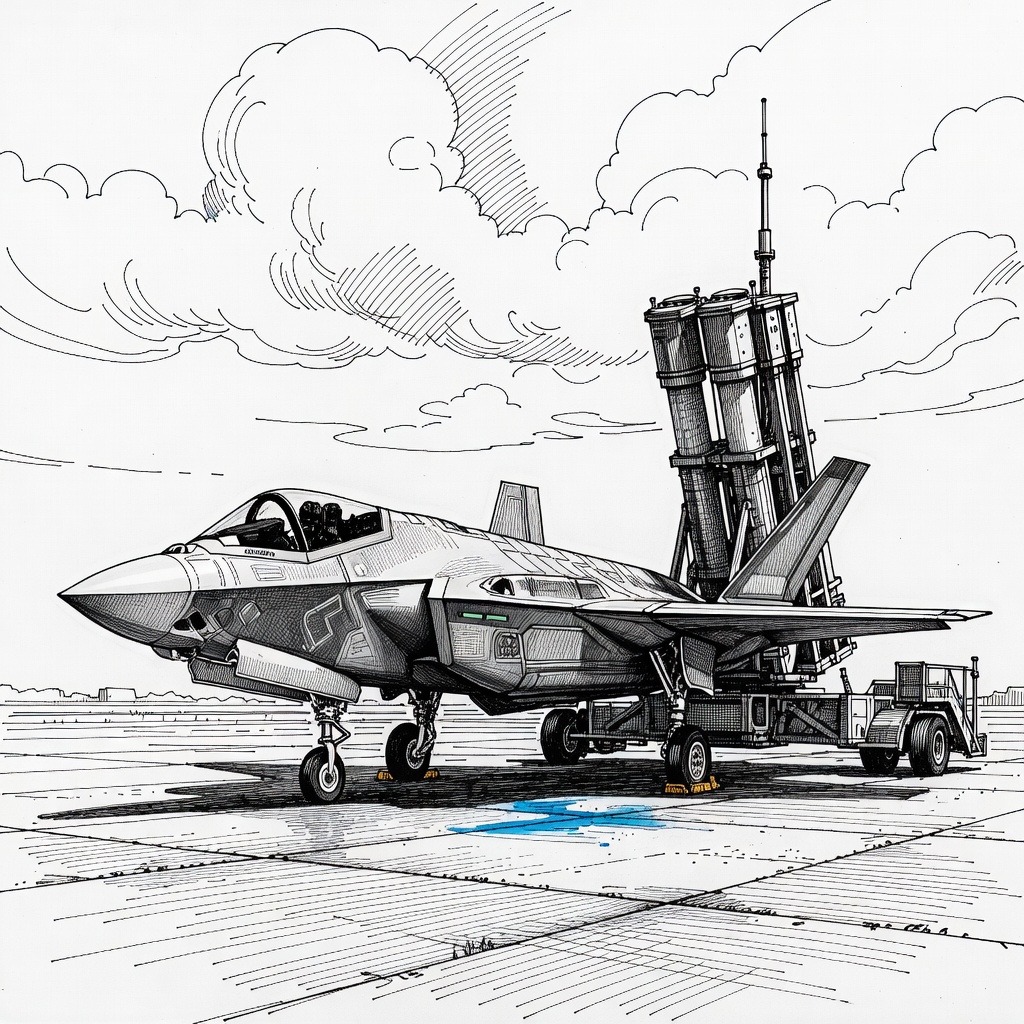
• Shield Vulnerable Populations Directly Human lives and civilian infrastructure must be protected above all else, especially as Russian missile strikes continue to devastate cities like Kyiv, claiming at least 19 lives in a single recent attack. Licensing Patriot missile interceptor technology to Ukraine is a vital moral and humanitarian imperative to help a sovereign nation defend its citizenry from ongoing aerial bombardment. Giving Ukraine the means to eventually manufacture these defensive components ensures long-term self-defense capabilities that reduce reliance on external aid pipelines.
• Bolster Collective Security Guarantees International stability relies on robust, multilateral defense agreements and the shared burden of resisting aggressive territorial expansion. The commitment of NATO allies to pledge at least $80 billion in assistance to Ukraine through 2027, alongside Germany's hosting of Tomahawk cruise missiles, demonstrates a unified democratic front against authoritarian overreach. Integrating Ukrainian firms into the Patriot supplier base mirrors successful European defense integration models, strengthening regional solidarity and institutional continuity.
• Avoid Compromising Security Alliances Reintegrating Turkey into the F-35 fighter jet program risks undermining the integrity of NATO's collective security framework. Turkey's previous purchase of the Russian S-400 air defense system was a direct violation of alliance trust, and reversing its 2019 expulsion could signal that strategic compromise carries no long-term consequences. Rewarding unilateral actions weakens the rule of law within the alliance and potentially exposes sensitive Western military technology to Russian espionage.
How it may affect me
As a U.S. reader:
• In the short term, U.S. defense contractors may see shifts in production demands as Ukrainian firms are integrated into the Patriot supplier base and Turkey potentially rejoins the F-35 program.
• In the long term, your tax dollars allocated for international security may be impacted by the NATO commitment to pledge at least $80 billion in assistance to Ukraine through 2027.
• The transfer of advanced Western military technology and manufacturing licenses to foreign partners could increase the long-term risk of intellectual property loss or exposure to espionage if not managed by strict export controls.
• Regional security dynamics and potential Russian provocations in the Baltic could affect general global stability and influence future U.S. military deployment or deterrence strategies.