
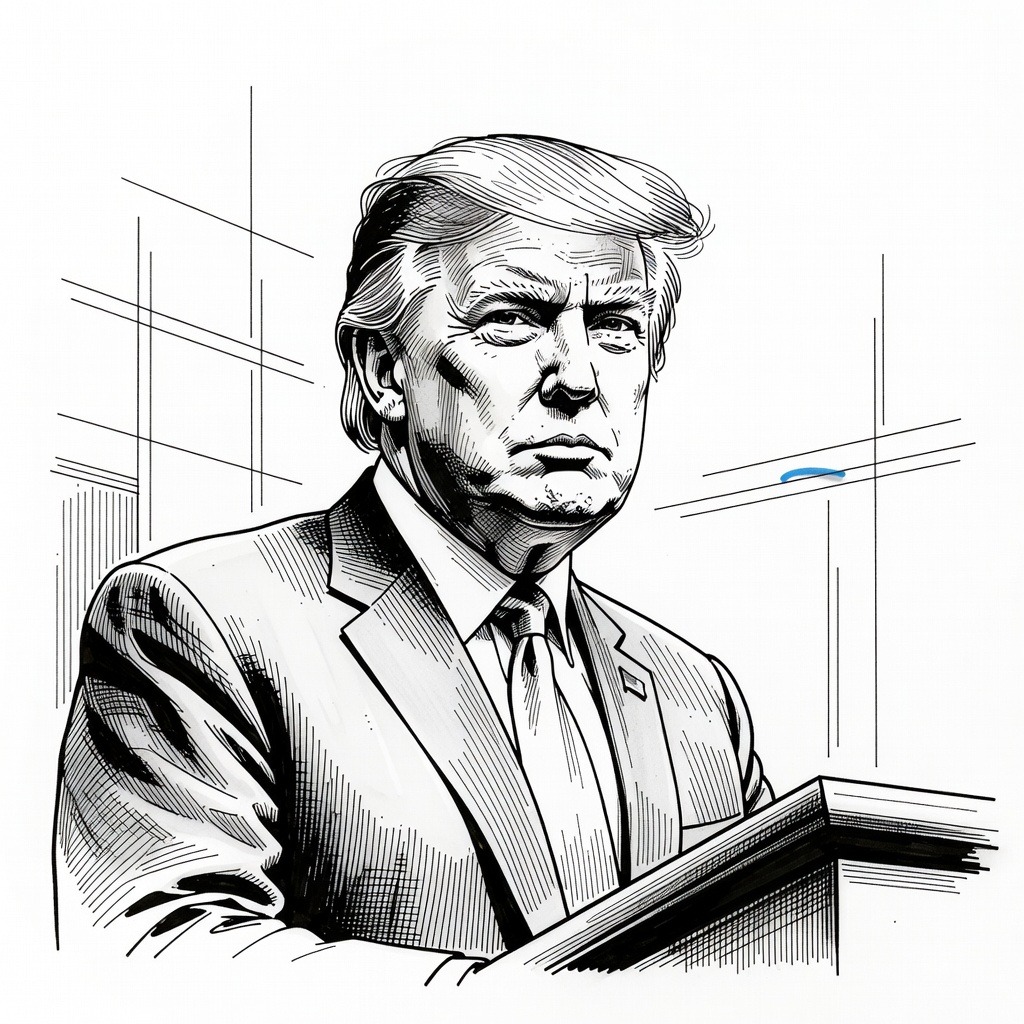
Illustration for: US Gas Prices Rise as Ceasefire Ends and Conflict Resumes in Strait of Hormuz
AI-generated illustration. Visual interpretation does not represent real individuals or scenes.

US Gas Prices Rise as Ceasefire Ends and Conflict Resumes in Strait of Hormuz

2026-07-10

The BareStory

The national average price of gasoline in the United States rose to $3.88 a gallon on Friday, up from $3.84 a week ago, according to data from AAA. The price increase follows a brief decline to $3.80 on July 5, which occurred after Washington and Tehran signed a temporary ceasefire last month. The current rise comes amid renewed military clashes between the United States and Iran, which have raised concerns over potential disruptions in the Strait of Hormuz, a critical maritime passage that handles approximately 20 percent of global energy flows.

President Donald Trump announced on Friday that the three-week-old ceasefire has ended, though he stated that bilateral negotiations are continuing. According to President Trump, the decision follows Iranian attacks on shipping vessels in the Strait of Hormuz earlier this week, which led to retaliatory U.S. military strikes. The Pentagon stated that its military response was aimed at protecting freedom of navigation in the strait. In response to the escalating situation, transit through the waterway fell to 34 ships on Thursday, the lowest daily level since late June, according to S&P Global MINT and S&P Global Commodities at Sea.

The renewed hostilities have also drawn domestic political reactions. Former White House Chief of Staff Rahm Emanuel criticized President Trump’s handling of negotiations with Iran. Emanuel proposed that the U.S. request the International Maritime Association to implement transit fees in the strait to be shared among regional nations. He also recommended that Middle Eastern countries develop long-term oil pathways that bypass the waterway to reduce Iranian leverage.

In addition to Middle East tensions, other international factors are impacting the global fuel market. Industry analysts reported that Ukrainian attacks on Russian oil refineries have reduced the global supply of refined products. Consequently, Moscow has implemented bans on diesel exports alongside existing limits on gasoline and jet fuel. Seasonal factors, including increased summer driving demand and environmental mandates for costlier summer-blend gasoline, are also contributing to the upward pressure on pump prices.

Left Perspective

  • De-escalate Global Friction Points: Prioritizing diplomatic conflict resolution is the only sustainable way to prevent volatile spikes in domestic energy costs. The fact that US gas prices quickly rebounded to $3.88 per gallon after the three-week-old ceasefire ended proves that military confrontation directly penalizes working-class consumers. Relying on retaliatory strikes rather than sustaining the diplomatic channel established last month creates an unstable economic feedback loop that harms everyday citizens.
  • Dismantle Aggressor Leverage Structurally: Challenging geopolitical chokeholds requires systemic, multilateral energy reforms rather than unilateral military posturing. Implementing Rahm Emanuel's proposal to have the International Maritime Association collect and share transit fees among regional nations would strip hostile actors of exclusive control. Concurrently, investing in alternative, long-term oil pathways that bypass the Strait of Hormuz systematically neutralizes Iranian leverage without risking military escalation.
  • Shield Vulnerable Domestic Consumers: Guarding low- and middle-income families from sudden, aggressive market shocks must be the primary economic objective. The compounding pressures of international conflicts—such as Ukrainian strikes on Russian refineries and subsequent Moscow export bans—alongside seasonal summer-blend mandates, leave domestic drivers highly exposed. Failing to prioritize diplomatic stability and green transition alternatives leaves the public budget at the mercy of unpredictable foreign hostilities and corporate pricing.

Right Perspective

  • Enforce Absolute Maritime Deterrence: Ensuring national security and preserving global trade require the decisive, uncompromising use of military force to deter hostile actors. The Pentagon's retaliatory strikes following Iranian attacks on commercial shipping vessels are a necessary assertion of strength to protect the freedom of navigation in the Strait of Hormuz. Allowing attacks on a critical transit corridor that handles 20 percent of global energy flows without a robust military response would signal weakness and invite further aggression.
  • Maintain Uncompromising Sovereign Resolve: Preserving national sovereignty and honor means refusing to allow bad-faith adversaries to exploit temporary diplomatic agreements. President Trump’s declaration ending the ceasefire after Iranian provocations demonstrates that treaties are worthless without strict enforcement and accountability. Sustaining a failed truce while American allies and commercial vessels are actively targeted would undermine the rule of law and degrade America's strategic credibility on the world stage.
  • Secure Energy Independence Guardrails: Navigating global supply disruptions requires robust domestic production and strategic resilience rather than reliance on complex international regulatory bodies. Proposing international transit fees or relying on regional consensus-building introduces bureaucratic vulnerabilities that fail to address immediate security threats. With global refined fuel supplies already squeezed by Ukrainian strikes on Russian refineries and Moscow's export bans, the US must focus on domestic energy strength to insulate itself from foreign chokeholds.

How it may affect me

As a U.S. reader:

• You will experience higher costs at the pump, with the national average price of gasoline rising to $3.88 a gallon due to renewed military conflicts in the Strait of Hormuz and the end of the U.S.-Iran ceasefire.

• Your fuel costs may be further pressured in the short term by seasonal summer driving demand, costly environmental mandates for summer-blend gasoline, and global supply squeezes from Ukrainian attacks on Russian refineries and subsequent Russian export bans.

• You may see long-term shifts in energy security and prices depending on whether the U.S. pursues diplomatic and structural reforms, such as bypassing the Strait of Hormuz, or focuses on robust domestic production to insulate the market from foreign chokeholds.

Read the story at