
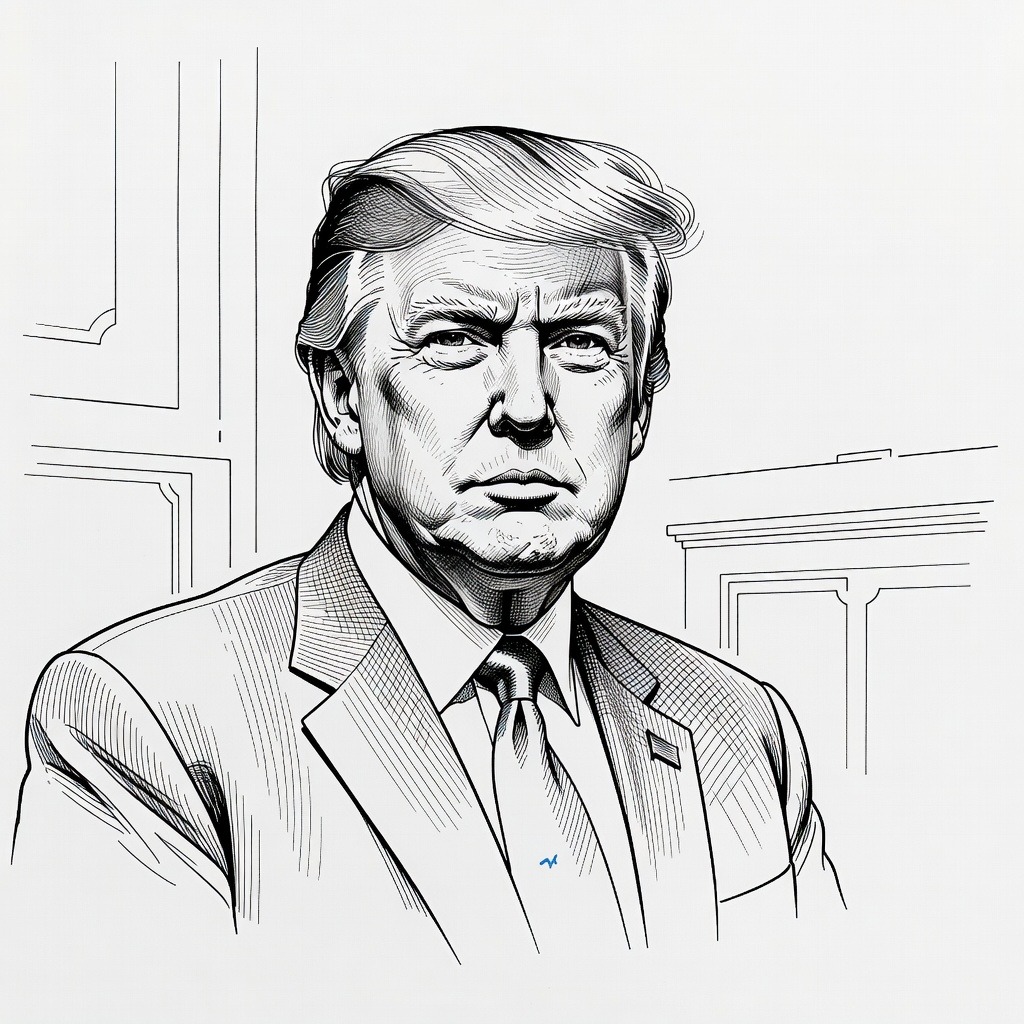
Illustration for: US Launches Military Strikes Against Iran After Ceasefire Collapses
AI-generated illustration. Visual interpretation does not represent real individuals or scenes.

US Launches Military Strikes Against Iran After Ceasefire Collapses

2026-07-09

The BareStory

The United States military conducted consecutive nights of airstrikes against targets in Iran following the collapse of a recently established ceasefire. According to U.S. Central Command, President Donald Trump ordered the military actions, which targeted dozens of sites along the Iranian coastline, including air defense systems, radar installations, command and control networks, anti-ship missile capabilities, and small boats. The strikes were launched in response to what U.S. officials described as Iranian attacks on commercial oil tankers transiting the Strait of Hormuz earlier in the week.

The military escalation follows President Trump’s declaration at a NATO summit in Turkey that the month-old ceasefire between the two nations is over. Under the previous memorandum of understanding, both nations had agreed to reopen the Strait of Hormuz and ease sanctions. However, following the recent hostilities, the Trump administration rescinded a sanctions waiver that had allowed Iran to sell its oil abroad. In response to the U.S. actions, Iran's foreign ministry called the strikes a violation of the previous agreement, and Iranian state media reported explosions in multiple cities, warning that Iran would respond to further attacks with overwhelming force.

The reignited conflict has introduced immediate volatility to global financial and energy markets. On Wednesday, international and U.S. crude benchmarks surged, with West Texas Intermediate futures rising 4.4% to close at $73.52 per barrel and Brent futures jumping 5.2% to settle at $78.02 per barrel. Concurrently, the Dow Jones Industrial Average dropped over 800 points. The International Monetary Fund warned that renewed conflict in the Middle East could disrupt supply chains, prolong commodity price volatility, and weigh on overall global economic conditions.

Left Perspective

  • Shield Vulnerable Global Populations: Prioritizing diplomatic conflict resolution is essential to prevent the immense humanitarian and economic toll of warfare. The collapse of the month-old ceasefire and the return to military strikes directly threaten civilian lives and destabilize the region. By abandoning the memorandum of understanding that had reopened the Strait of Hormuz and eased sanctions, the administration has chosen a path of escalation that inevitably harms everyday citizens through renewed hostility.
  • Expose Corporate Windfall Dynamics: Prioritizing economic equity means criticizing policies that drive up living costs for ordinary consumers while benefiting energy conglomerates. The immediate 4.4% surge in West Texas Intermediate to $73.52 and the 5.2% jump in Brent crude to $78.02 represent an regressive tax on global working classes. This volatility, compounded by the Dow Jones dropping over 800 points, demonstrates how military adventurism destabilizes broader markets and disrupts critical supply chains at the expense of average workers.
  • Avert Perpetual Conflict Spirals: Prioritizing international law and diplomatic dialogue is the only way to break the cycle of tit-for-tat violence. Rescinding the oil sanctions waiver and launching strikes on Iranian coastal cities will not produce stability, but will instead provoke the "overwhelming force" promised by Iran’s foreign ministry. The long-term risk of this approach is a prolonged, unchecked war in the Middle East that permanently drains global resources and entrenches systemic instability.

Right Perspective

  • Enforce Strategic Peace Through Strength: Prioritizing national security and sovereignty requires decisive military action to deter hostile actors and maintain global order. The targeted strikes on Iran's air defense systems, radar installations, and anti-ship capabilities were a necessary and proportionate response to Iranian attacks on commercial oil tankers in the Strait of Hormuz. Allowing disruptions to international shipping lanes without a military consequence invites further aggression and compromises global maritime security.
  • Restore Long-Term Market Stability: Prioritizing market efficiency requires establishing a secure security baseline, even if it causes short-term financial friction. While the Dow Jones fell by over 800 points and oil prices spiked initially, these fluctuations are temporary adjustments to a restored security posture. True economic stability cannot exist when vital trade corridors like the Strait of Hormuz are subject to lawless interdiction, making the enforcement of shipping safety a prerequisite for long-term prosperity.
  • Neutralize Bad-Faith Actors: Prioritizing institutional continuity and the rule of law means refusing to honor agreements when the opposing party violates their core terms. Because the ceasefire was shattered by Iranian hostility toward commercial transit, continuing the sanctions waiver would have amounted to rewarding aggression. By revoking Iran's ability to sell its oil abroad, the administration correctly applies maximum economic and military leverage to prevent a hostile regime from financing further destabilizing activities.

How it may affect me

As a U.S. reader:

• You will likely experience a short-term increase in fuel and energy costs due to immediate spikes in crude oil prices, with West Texas Intermediate futures rising 4.4 percent to $73.52 per barrel and Brent futures jumping 5.2 percent to $78.02 per barrel.

• You may see a negative impact on your investment portfolios, retirement accounts, or broader financial security in the short term, following an immediate 800-point drop in the Dow Jones Industrial Average.

• You could face prolonged commodity price volatility and broader economic instability if the renewed Middle East conflict disrupts global supply chains, as warned by the International Monetary Fund.

• You may experience long-term economic and security impacts if the collapse of the ceasefire and the end of the sanctions waiver lead to a prolonged conflict with Iran, which has threatened to respond to further attacks with overwhelming force.

Read the story at