
Evidence presented in preliminary hearing for suspect in Charlie Kirk shooting

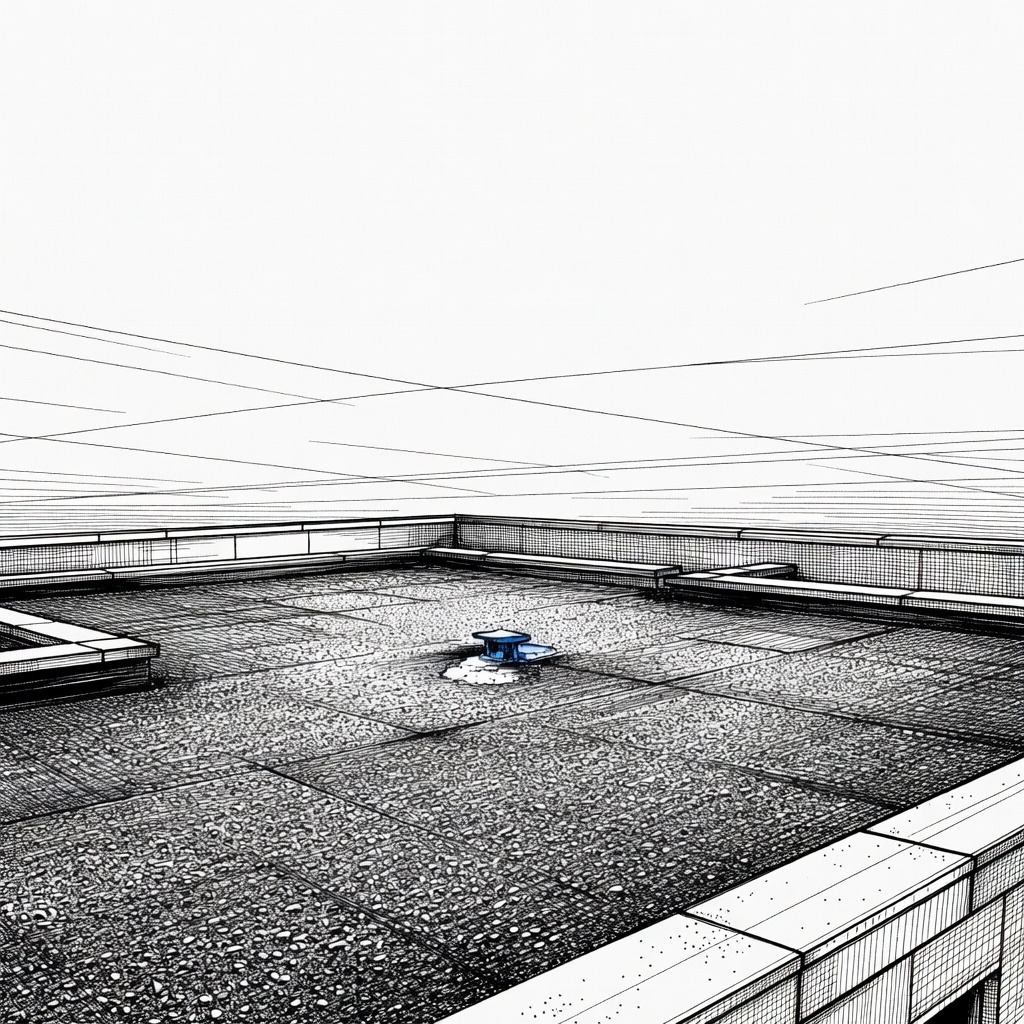
Illustration for: Evidence presented in preliminary hearing for suspect in Charlie Kirk shooting
AI-generated illustration. Visual interpretation does not represent real individuals or scenes.

THE BARE STORY

A preliminary hearing began this week in Provo, Utah, to determine if there is sufficient evidence to bring Tyler Robinson to trial for the fatal shooting of conservative activist and Turning Point USA co-founder Charlie Kirk. The 31-year-old Kirk was killed during an outdoor event at Utah Valley University on September 10. Prosecutors are seeking a trial on multiple charges, including aggravated murder, which carries a potential death penalty.

During the hearing, state prosecutors presented surveillance footage and forensic evidence before Judge Tony Graf. Utah State Bureau of Investigation Agent David Hull testified that Robinson arrived at the university four hours prior to the shooting, interacted with Kirk's staff, and changed his clothes before accessing a rooftop. Former university police Officer Christopher Bagley testified to finding a "sniper pad" on a gravel rooftop overlooking where Kirk had addressed a crowd.

Forensic testimonies were also introduced regarding a bolt-action rifle discovered in nearby woods and a screwdriver found on the rooftop. FBI DNA analyst Amanda Bakker testified that Robinson was a possible contributor to DNA found on both the screwdriver and a towel wrapped around the rifle. Defense attorney Kathryn Nester raised repeated objections to the evidence, most of which the judge overruled. Robinson has not yet entered a plea, and his defense has previously attempted to remove the death penalty as an option.

State prosecutors alleged that Robinson confessed to the crime, claiming he wrote in a note to his roommate that he planned to "take out Charlie Kirk" and texted that he targeted Kirk because he had "had enough of his hatred." Prosecutors also argued the shooting endangered other attendees at the campus event, which serves as an aggravating circumstance under state law.

The proceedings were attended by Robinson's parents as well as Kirk's widow, Erika, his parents, and Donald Trump Jr. Following Tuesday's session, Trump Jr. stated that the newly released surveillance footage and witness testimonies made the case appear clear. The preliminary hearing is expected to continue through the week.

Same Facts. Different Perspectives.

Two AI models. Two viewpoints. One factual foundation.

• Shield Civil Rights First The core value of justice demands that the state’s most severe punitive powers, particularly the death penalty, must be constrained and subjected to the highest level of scrutiny. In this case, defense efforts to eliminate the death penalty as an option and the repeated objections to forensic links, such as the DNA on the screwdriver and towel, represent a vital defense of due process. Aggressive prosecution must not bypass procedural protections, even when facing highly emotionally charged allegations of political violence.

• Dismantle Toxic Ideological Echoes The alleged motivation behind the shooting—the suspect's text stating he had "had enough of his hatred"—highlights the systemic danger of escalating partisan hostility in the public square. From this viewpoint, the tragedy is a symptom of a broader, deeply polarized political ecosystem that drives vulnerable individuals to extreme desperation. Addressing the root causes of political violence requires de-escalating the rhetoric of figures like Kirk rather than merely relying on punitive state retribution.

• Check State Overreach Fears Allowing prosecutors to elevate charges to aggravated murder by citing the broad endangerment of other attendees at a crowded public event risks setting a dangerous legal precedent. This expansive interpretation of "aggravating circumstances" could be weaponized by the state to disproportionately penalize political protesters or dissidents in future cases. Legal frameworks must remain tightly bound to specific, direct actions rather than broad, situational risks to prevent the erosion of civil liberties.

How it may affect me

As a U.S. reader:

• You may see increased security and surveillance protocols at campus events and public political gatherings to prevent potential active shooter situations and protect public safety.

• The trial could establish a legal precedent regarding how prosecutors use "aggravating circumstances," such as endangering a crowd, to elevate charges to aggravated murder, potentially affecting future cases involving public protests or demonstrations.

• The proceedings highlight the ongoing national debate over the use of the death penalty, specifically how defense attorneys and prosecutors navigate procedural protections and severe punitive measures in high-profile cases.

• The case underscores the real-world risk of political violence, which may heighten concerns about safety in public spaces where citizens gather to exercise their free speech and hear diverse political viewpoints.

Read the story at

Note: All TheBareNews content is AI-generated. For additional context, reporting, and updates, you are invited to explore the news outlets linked above.