
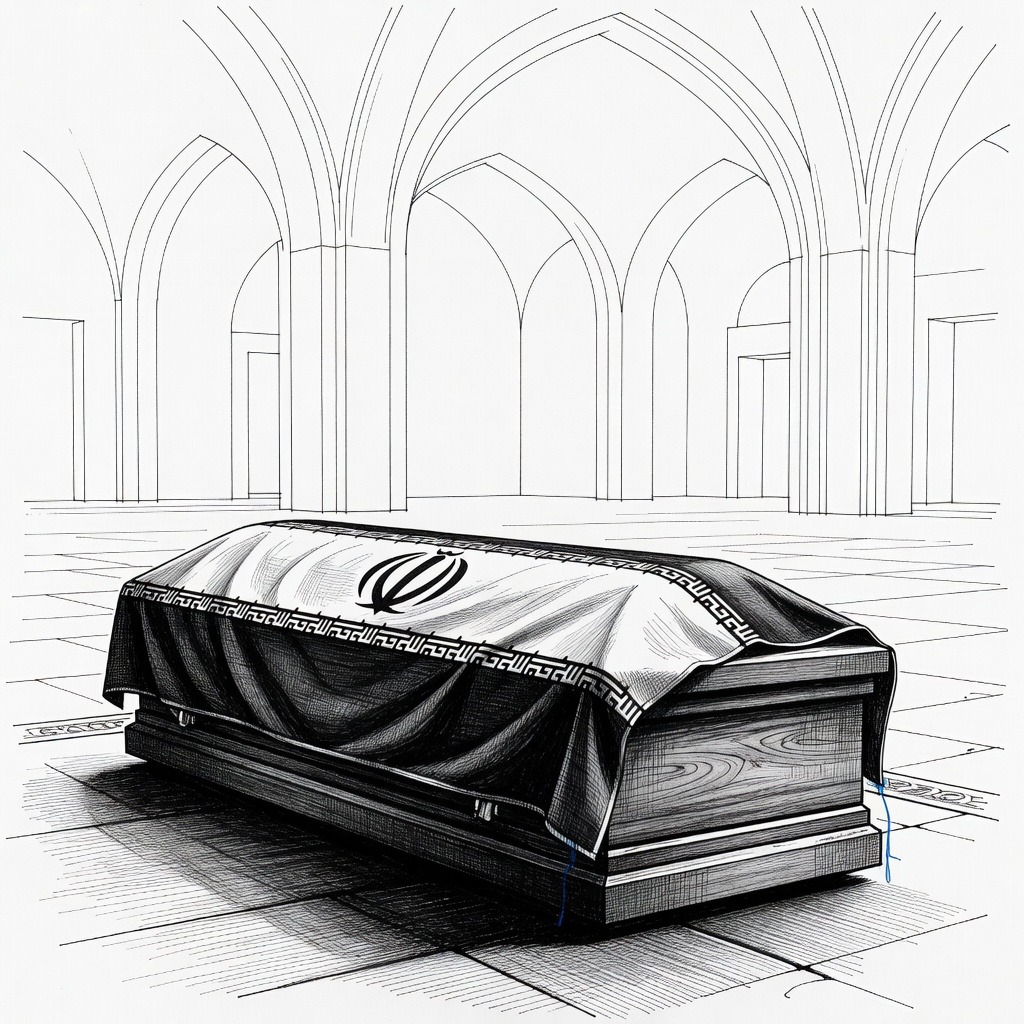
• Shielding Human Rights Dignity The fundamental value of human life must take precedence over state-sponsored martyrdom and nationalistic pageantry. For human rights advocates, the lavish funeral ceremonies mask a legacy of brutal domestic repression, as documented by organizations reporting that Khamenei’s security forces killed thousands of citizens during his decades of rule, including the nationwide protests of late 2025. The immense financial resources poured into this delayed, multi-city procession are viewed as an offensive extraction of wealth from a population suffering under the compounding hardships of war and authoritarian governance.
• Exposing Imperialist Aggression Dynamics The four-month delay of the funeral, attributed to war conditions and a brutal U.S. invasion, serves as a stark indictment of Western military interventionism. Anti-imperialist logic interprets the Israeli-U.S. military strikes on February 28, which killed the Supreme Leader and his family, as illegal acts of external aggression that destabilize the region and inflict immense civilian suffering. From this viewpoint, the presence of global activist voices and foreign delegations represents a unified, legitimate rejection of Western hegemony and unilateral military dominance.
• Challenging Domestic Tyranny Risks The absolute secrecy surrounding the new leadership signals a dangerous escalation of authoritarian control and democratic deficit. The fact that the current supreme leader, Mojtaba Khamenei, has remained entirely hidden from the public eye since taking office in March points to an unaccountable regime prioritizing survival over civic transparency. This transition structure threatens to perpetuate a cycle of state violence, where elite consolidation occurs in the shadows while the public continues to bear the physical and economic costs of geopolitical conflict.
How it may affect me
As a U.S. reader:
You may face prolonged geopolitical instability and heightened national security risks due to ongoing tensions, as Iranian funeral attendees chanted slogans against the United States following the joint Israeli-U.S. military strikes that killed the former leader.
You can expect continued friction in U.S. foreign policy and diplomatic efforts in the Middle East, as major regional and global players like Russia, Pakistan, Saudi Arabia, and Iraq signal solidarity with Iran by sending high-level delegations to the ceremonies.
You may see sustained scrutiny and public debate regarding the ethics, financial costs, and long-term consequences of U.S. military interventions abroad, which critics associate with regional instability and supporters of the late leader term a brutal invasion.