
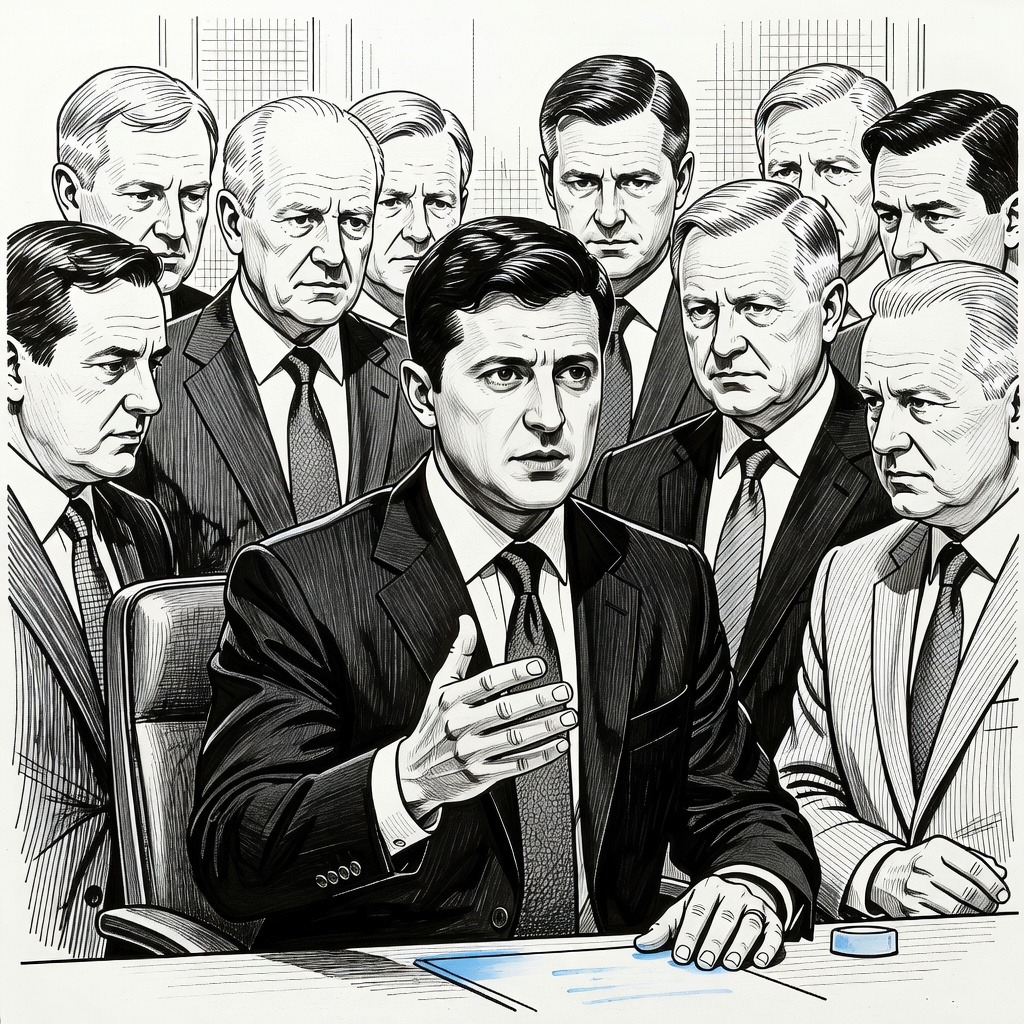
• Shielding Vulnerable Civil Lives The foundational value of protecting human life requires viewing the destruction in the Podilskyi and Darnytsia districts as an unacceptable humanitarian failure of the international community. When 12 civilians are killed and 60 are wounded by direct hits on residential high-rises, it demonstrates that a lack of adequate defensive aid directly translates into civilian casualties. For this camp, the UN statistic of over 16,000 civilian deaths is a moral mandate for immediate, unconditional Western intervention to provide defensive shields.
• Exposing the Aggressor's Pretext This perspective interprets Russia’s claims of targeting military infrastructure and retaliating for Ukrainian strikes as a cynical attempt to justify state terror against civilians. The reality of a partial building collapse in Kyiv exposes the strategic asymmetry where one side deliberately targets urban centers while the other struggles to defend its population. Consequently, the international community must reject any false moral equivalency between defensive actions and aggressive bombardment.
• Preventing Defensive Depletion Catastrophe The primary fear is that continued delays by Western allies in supplying Patriot interceptor systems will lead to a total collapse of Ukrainian civil endurance. Because Ukrainian forces intercepted drones and cruise missiles but could not stop any of the 29 ballistic missiles due to critical shortages, the risk of systemic vulnerability is now an active reality. Failing to act decisively at the upcoming NATO summit in Ankara risks signaling to aggressors worldwide that democratic nations will allow civilian populations to be systematically worn down.
How it may affect me
As a U.S. reader:
• You may see increased pressure on the U.S. government to supply highly expensive and limited-supply Patriot interceptor systems to Ukraine following its failure to stop 29 ballistic missiles due to critical shortages.
• You could face broader security implications if U.S. commitments at the upcoming NATO summit in Ankara lock the nation into an unsustainable proxy war that compromises global stability or escalates into a direct clash between NATO and Russia.
• You may see U.S. defense officials and policymakers forced to recalculate military aid based on the realistic production capacities of Western weapons factories and global supply chains as Russia seeks to deplete expensive Western interceptors.