
• Shield Vulnerable Domestic Producers The primary obligation of governance is to protect domestic food security and the livelihoods of independent producers from international shocks. When 70% of American farmers report they cannot afford essential fertilizer due to geopolitical blockades, the state must intervene directly to lower input barriers. Suspending countervailing duties and pivoting to regenerative soil practices are not just emergency fixes, but necessary steps to insulate the agricultural base from volatile global supply chains.
• Dismantle Corporate Resource Exploitation Geopolitical conflicts and maritime blockades inevitably allow multinational energy and agricultural conglomerates to extract record profits at the expense of everyday consumers. The sudden doubling of oil prices from $60 to $120 serves as a stark reminder that working families bear the inflationary brunt of foreign military engagements. True economic stability requires breaking this cycle of extraction by transitionally capping energy-related windfall gains and aggressively subsidizing local, sustainable alternatives.
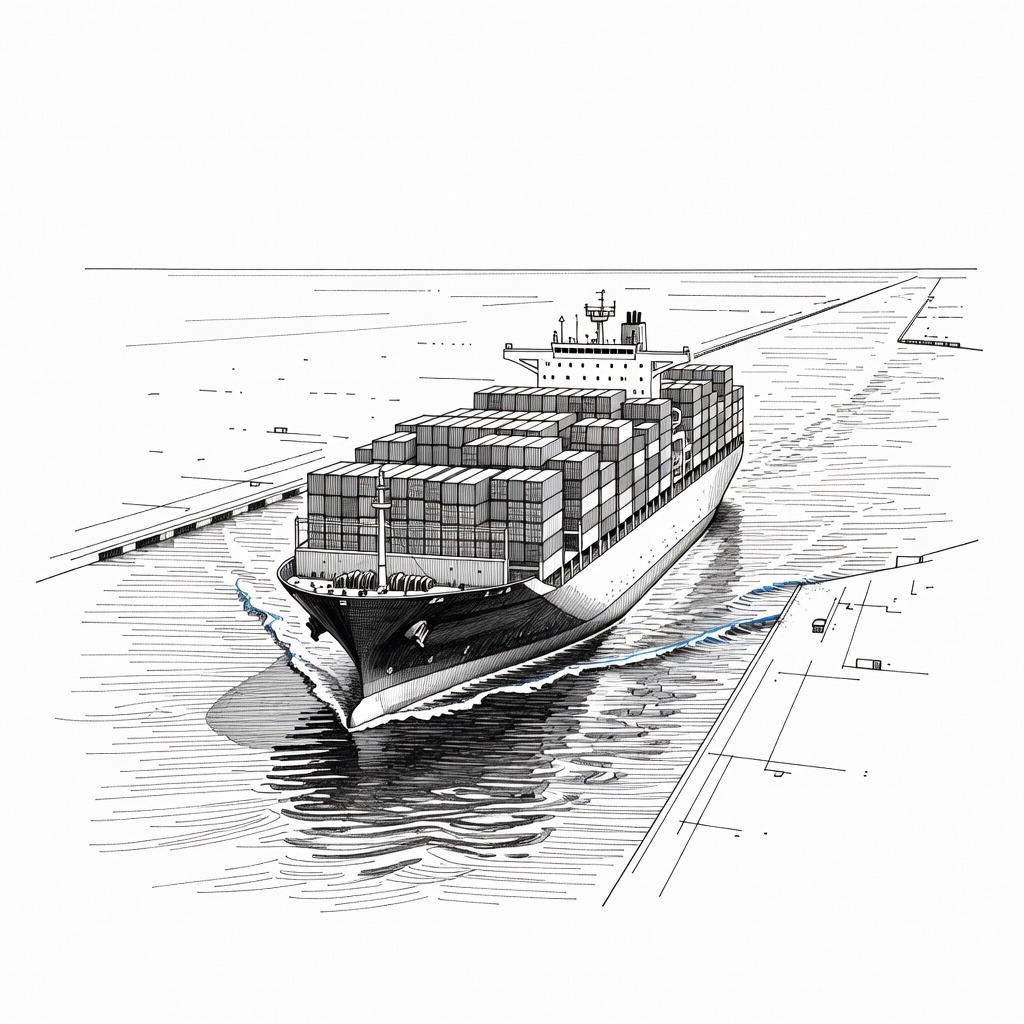
• Avert Global Humanitarian Fallout Military posturing and aggressive sanctions in critical maritime corridors like the Strait of Hormuz consistently yield devastating humanitarian externalities. Blocking 20% of the world's oil and a third of its sea-transported fertilizer triggers a cascade of global inflation, rising food insecurity, and currency devaluation in weaker economies. Prioritizing de-escalation, multilateral diplomacy, and international law is the only viable path to preventing artificial resource scarcity and protecting vulnerable populations worldwide.
How it may affect me
As a U.S. reader:
• You may experience higher grocery prices and food supply chain issues in the short term as 70 percent of U.S. farmers struggle to afford fertilizer, leading them to reduce applications or change their crop strategies.
• You will likely face increased energy costs at the pump and at home due to global oil prices doubling from $60 to $120 following the Strait of Hormuz disruptions.
• Your purchasing power could be reduced in the short and long term by rising inflation expectations, driven by energy price spikes and shifting global financial markets.
• You may see long-term shifts in national fiscal health and investment options as U.S. Treasury yields climb, gold prices drop, and capital increasingly flows into sectors like artificial intelligence.