
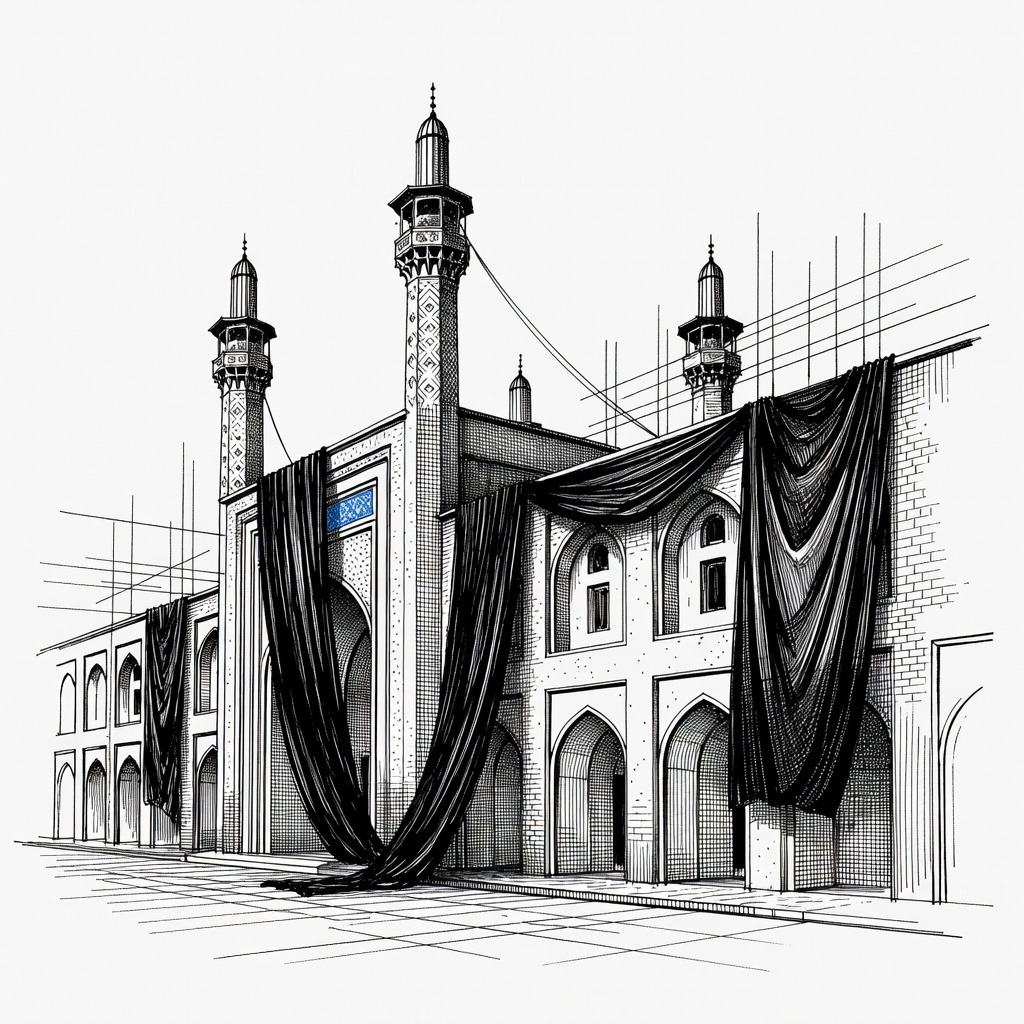
• Shielding Human Rights Accountability The value of human dignity and justice demands that a leader's legacy be evaluated by their treatment of citizens, rather than orchestrated state pageantry. For reformers, the late Supreme Leader’s regime is defined by systemic oppression, specifically highlighted by HRANA’s allegations that the Revolutionary Guard killed at least 7,000 people during nationwide antigovernment protests beginning in December 2025. This camp views the massive public funeral as a state-engineered distraction designed to whitewash a history of domestic violence and escape accountability for severe human rights abuses.
• Challenging Authoritarian Legitimacy Claims International solidarity and democratic accountability must take precedence over diplomatic appeasement of repressive regimes. The participation of foreign delegations from over 30 countries—including high-level representatives from Pakistan, China, Russia, and Iraq—is seen as a troubling validation of an autocratic system that suppresses its own people. By honoring a leader responsible for severe domestic crackdowns, these international actors undermine global human rights standards and signal to the Iranian public that global powers prioritize geopolitical transactions over civilian lives.
• Fearing Entrenched domestic Oppression Social progress and civil liberties are heavily threatened by the militarization of public spaces and the preservation of the dictatorial status quo. The deployment of unprecedented security measures by the Revolutionary Guard and the Basij paramilitary force under the guise of crowd control is interpreted as an aggressive display of force meant to intimidate domestic dissidents. Furthermore, General Ahmad Vahidi’s proclamation that this moment is a turning point for Islamic victories signals that the regime intends to use the transition to consolidate power and intensify crackdowns rather than pursue reform.
How it may affect me
As a U.S. reader:
• You may observe heightened regional instability and security risks for U.S. interests abroad as Iran's political and military leaders utilize the funeral to project strategic strength, deterrence, and a unified defensive posture following U.S.-Israeli airstrikes.
• You can expect continued diplomatic friction between the United States and the more than 30 nations participating in the ceremonies, including China and Russia, whose attendance is viewed by critics as a challenge to international human rights standards and a validation of an autocratic regime.
• In the long term, you may see a prolonged conflict or intensified regional tensions, as Iranian military leadership declares the late leader's death a turning point for Islamic victories and the regime works to secure its succession and military posture during ongoing war conditions.