
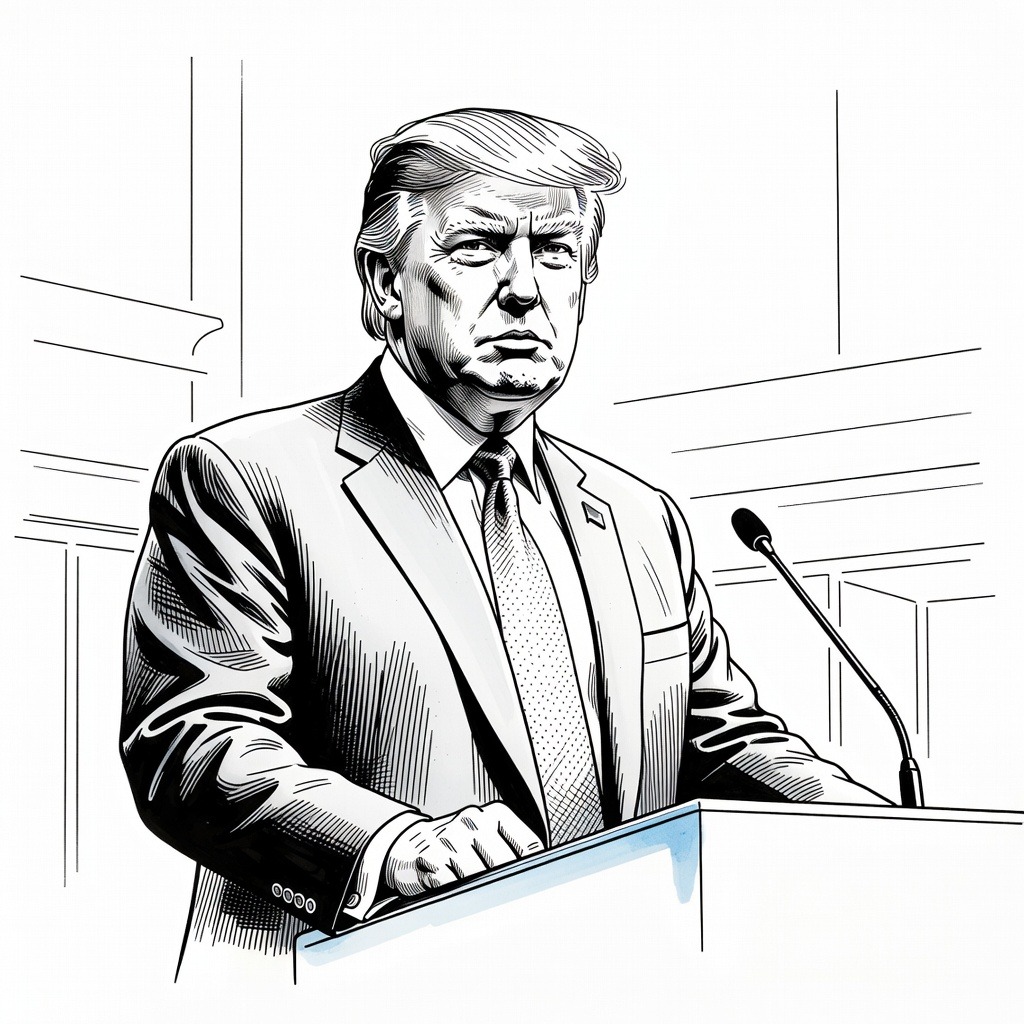
• Shielding Public Trust From Conflict The core value of democratic governance demands that public officials separate personal enrichment from policy-making powers. When a president's policy announcement triggers a 12% market drop, followed immediately by massive personal stock purchases and a subsequent policy reversal, the appearance of a conflict of interest is profound. Even if assets are managed externally, the rapid sequence of events undermines public confidence in the integrity of executive decisions.
• Exposing Policy-Driven Market Distortion Using state-level economic levers like tariffs to influence market pricing threatens fair competition and consumer stability. The 9.5% rebound in the S&P 500 and the double-digit surges in tech giants like Apple and Nvidia highlight how policy volatility can be weaponized to create artificial buying opportunities. From a market equity standpoint, this sequence suggests that regular retail investors bear the brunt of policy-induced panic while insiders profit from the recovery.
• Challenging the Discretionary Account Defense Relying on "independent third parties" to manage a $2.24 billion revenue stream does not erase the systemic risk of asymmetric information flow. The fear is that the mere public knowledge of a leader's policy intentions can guide external managers, creating a loophole where formal non-participation still yields massive, coordinated financial gains. Without absolute blind trusts, the line between public service and private accumulation remains dangerously blurred.
How it may affect me
As a U.S. reader:
• In the short term, everyday retail investors may experience heightened market volatility and financial losses if they react to sudden policy-induced market drops, such as the 12% decline in the S&P 500, while institutional or professional managers capitalize on the subsequent rapid rebounds.
• In the long term, public trust in the integrity of government policy decisions and fair market competition may be weakened by the appearance of conflicts of interest when major policy shifts directly precede significant financial gains for political figures.
• Individuals with retirement accounts or personal portfolios tied to major technology stocks like Apple, Nvidia, Microsoft, Amazon, and Alphabet will see the value of their investments fluctuate sharply in response to executive tariff announcements and subsequent reversals.