
• Shield Vulnerable Publics First The primary duty of governance during mass gatherings is ensuring the physical well-being and basic safety of citizens from systemic threats like extreme climate events. With temperatures forecasted to reach 102 degrees in Washington, D.C., scaling back events—such as shortening Philadelphia’s parade or monitoring concert safety—is a necessary, compassionate adaptation to ecological reality. Prioritizing human health over symbolic pageantry prevents preventable heat-related casualties and protects the most vulnerable attendees.
• Expose Institutional Financial Extraction Democratic governance relies on absolute transparency and the prevention of public-resource exploitation by politically connected entities. The House Natural Resources Committee's report accusing the White House-backed "Freedom 250" group of corruption and potential criminal fraud highlights how national celebrations can be co-opted for self-enrichment. True patriotism requires rooting out institutional corruption and ensuring that public commemorations are not used as vehicles for illicit financial gain.
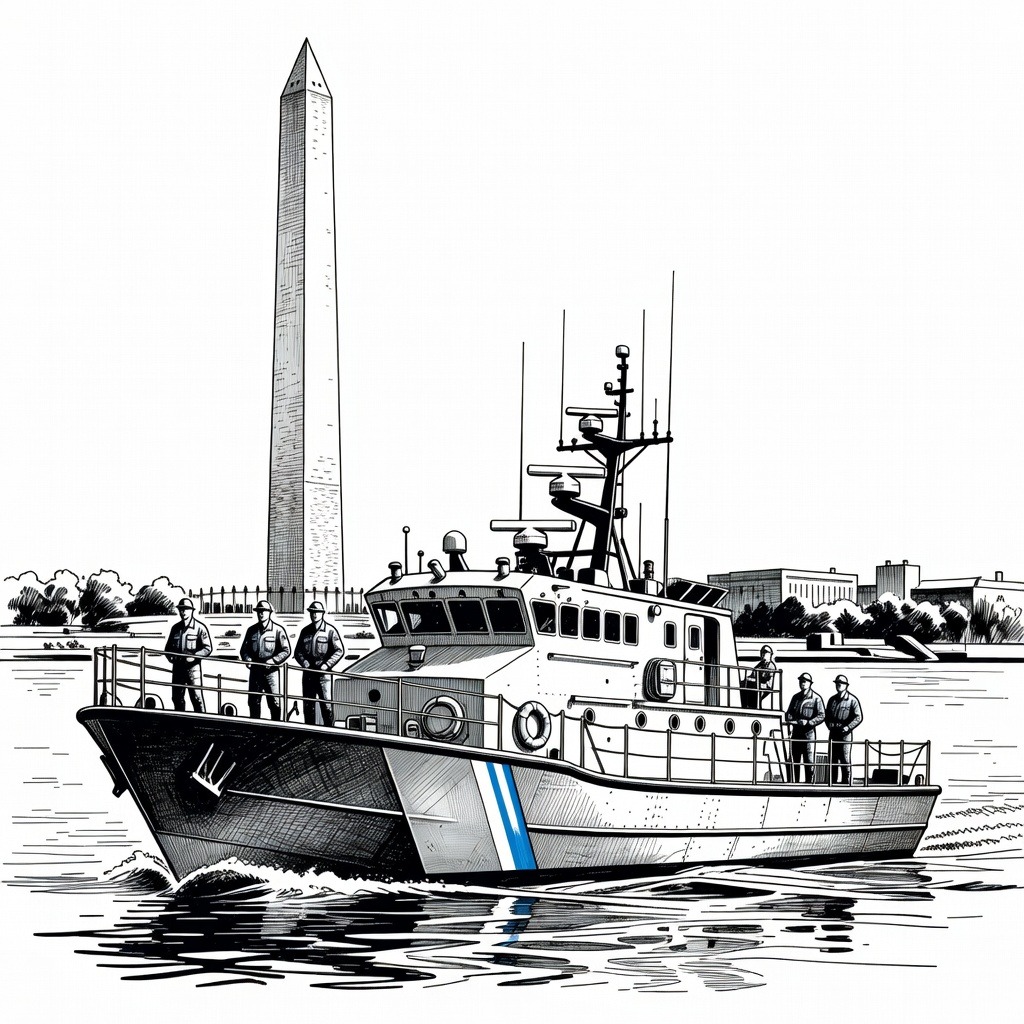
• Mitigate State Overreach Risks While public safety is vital, the massive escalation of security infrastructure—including closing the Potomac River to recreational boaters and deploying counter-drone and cyber units—threatens to normalize invasive surveillance state tactics. Implementing unprecedented restrictions on public spaces under the guise of security risks eroding fundamental civil liberties and restricting the free movement of citizens. Over-militarizing civic celebrations transforms a shared community experience into a highly controlled, exclusionary security zone.
How it may affect me
As a U.S. reader:
• If you plan to attend major Independence Day events, you will experience heightened security measures, including restricted access to public spaces like the Potomac River and increased monitoring by counter-drone and cyber units.
• You may face canceled or shortened local festivities, such as shortened parades or altered concert access, as organizers adapt to extreme heat reaching up to 102 degrees.
• If you are a recreational boater in the Washington, D.C. area, you will be temporarily barred from using a large portion of the Potomac River near the national monuments.
• You will see a highly visible law enforcement and military presence, including over 1,000 additional Coast Guard personnel and 79 boats deployed across 13 cities to deter potential security threats.