
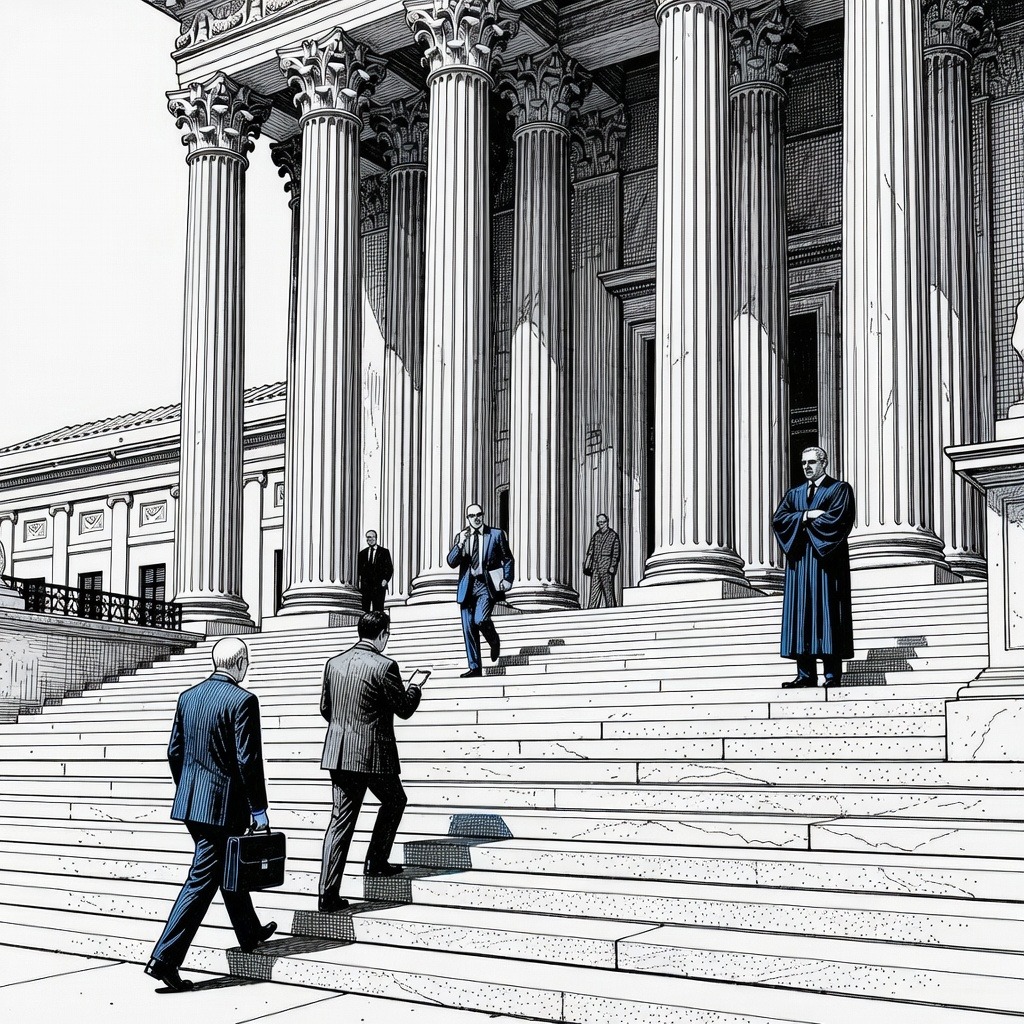
• Shielding Constitutional Rights The Supreme Court's ruling blocking the executive order on birthright citizenship is a vital defense of civil liberties and constitutional guarantees. By reaffirming that the 14th Amendment guarantees citizenship to nearly anyone born on U.S. soil, the court protected the children of undocumented immigrants and visa holders from arbitrary executive overreach. Reformers view this as a necessary validation of equal protection, ensuring that foundational human rights remain insulated from shifting political winds.
• Challenging Judicial Legitimacy The court's concurrent decisions to uphold bans on transgender female athletes and strike down campaign contribution limits expose a deep ideological imbalance that threatens social progress. Senator Ed Markey’s proposal to expand the court to 13 seats, supported by House Minority Leader Hakeem Jeffries, addresses this crisis of legitimacy directly. Correcting the Supreme Court's makeup is a necessary democratic intervention to counter what reformers view as the partisan theft of seats in 2016 and 2020.
• Resisting Systemic Exclusion The aggressive backlash from figures like Senator Rand Paul and Mike Davis reveals a broader, punitive agenda aimed at undermining marginalized communities. Davis's demands for targeted deportations and federal funding cuts for cooperative states and cities threaten to bypass judicial setbacks through financial coercion. For reformers, these escalations demonstrate the urgent need to defend local sanctuary policies and protect vulnerable populations from state-level retaliation.
How it may affect me
As a U.S. reader:
• Children born on U.S. soil to temporary visa holders and undocumented immigrants remain legally guaranteed U.S. citizenship and future voting rights.
• Female athletes in states with restrictions on transgender athletes will continue to compete under state-level bans.
• Political campaigns and donors will operate under relaxed rules regarding financial contributions to candidates, potentially altering campaign spending.
• Residents in municipalities that assist undocumented immigrants could face localized federal funding cuts and targeted deportations if alternative measures are successfully pursued by opponents of the ruling.
• Citizens could see a significant structural change in the nation's highest court if lawmakers succeed in expanding the Supreme Court from nine to thirteen seats.