
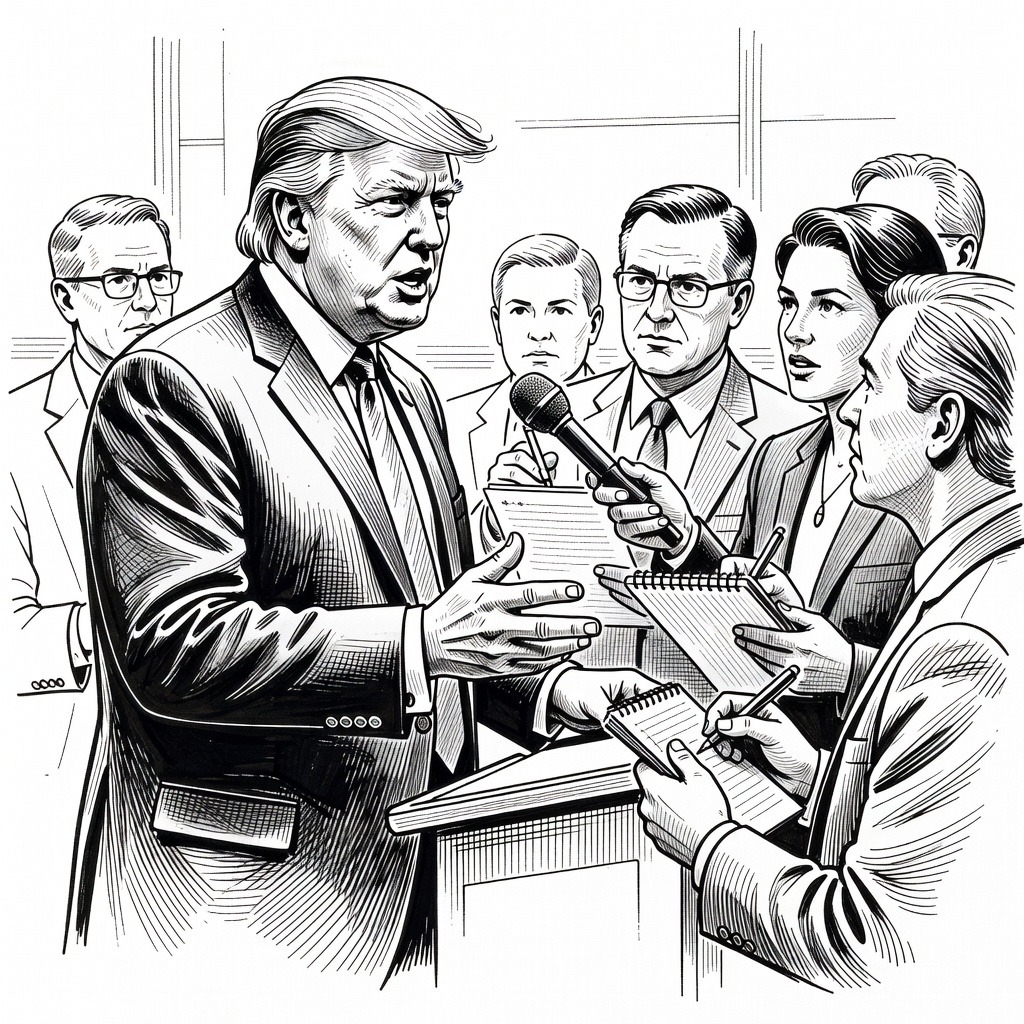
• Dismantling Ethical Guardrails Government accountability requires a strict separation between public decision-making and personal financial enrichment to prevent regulatory capture. The disclosure of $2.24 billion in revenue—including timely stock purchases of Amazon and Axon concurrent with federal legal actions and contract bids—suggests that private financial interests are actively compromising the impartiality of federal regulatory processes. For reformists, this overlap demonstrates how personal capital accumulation can undermine the integrity of the state's executive branch.
• Exposing Foreign Leverage Protecting democratic institutions demands that public policy remain entirely insulated from foreign financial influence. The transaction involving an Abu Dhabi wealth fund channeling investments through World Liberty Financial—a crypto venture linked to Trump and a pardoned associate—illustrates how decentralized digital assets can bypass traditional foreign-influence disclosures. This arrangement raises critical concerns about policy decisions being transactionalized, potentially subordinating national interests to foreign entities in exchange for private capital gains.
• Normalizing Kleptocratic Precedents The erosion of ethical boundaries sets a dangerous precedent where public office serves as a vehicle for private asset accumulation rather than civic service. Rebranding blatant conflicts of interest as economic innovation risks permanently lowering the bar for governmental transparency and ethics. Reformists fear this dynamic will lead to systemic public cynicism, rendering traditional anti-corruption frameworks obsolete and inviting future leaders to exploit regulatory power for personal profit.
How it may affect me
As a U.S. reader:
• You may see changes in the domestic digital economy depending on whether federal cryptocurrency policies successfully promote economic innovation or face strict regulatory scrutiny that could drive capital overseas.
• You could witness a decline in the integrity of federal regulatory decisions and government contracts if personal stock transactions by leadership are allowed concurrent with official actions.
• You might find national interests compromised if foreign wealth funds are able to use decentralized digital assets to bypass traditional disclosure systems and influence public policy.
• You may experience heightened political polarization and public cynicism regarding whether traditional wealth-management practices like blind accounts are sufficient to prevent conflicts of interest.