
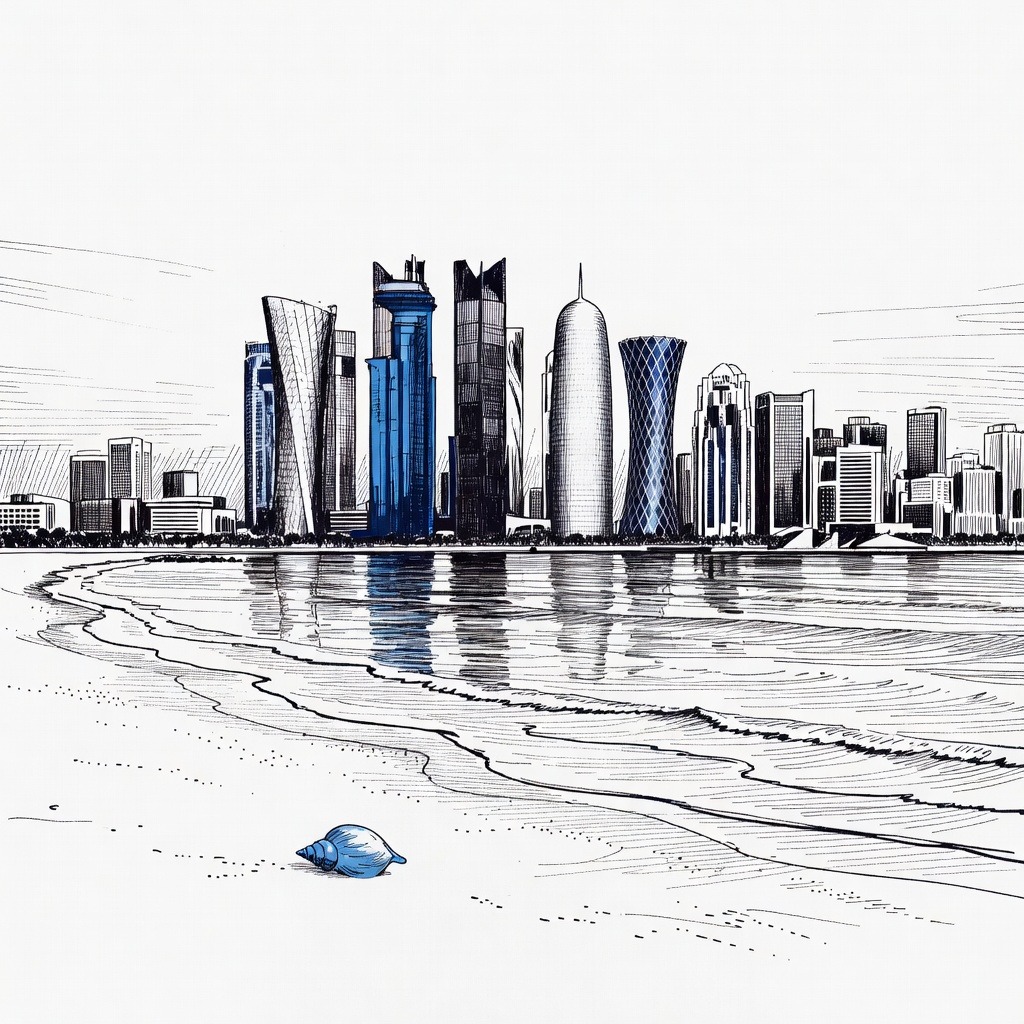
• Shield Regional Stability via Dialogue The core value of conflict resolution dictates that indirect negotiations mediated by Qatar and Pakistan are vital pathways to lower geopolitical temperatures and prevent devastating hot wars. Engaging in technical talks represents a crucial mechanism to de-escalate tensions, regardless of which nation initiated the request. Bypassing direct diplomatic contact, as demonstrated by U.S. envoys Steve Witkoff and Jared Kushner staying out of the technical discussions, misses a critical opportunity to build necessary trust and solidify long-term diplomatic channels.
• Pivot from Punitive Economic Warfare Economic sanctions and frozen assets act as indiscriminate tools of collective punishment that harm ordinary civilians while failing to alter state behavior. Iran's rejection of U.S. proposals to restrict the $6 billion in frozen assets solely to agricultural goods, combined with its export of 40 million barrels of oil since the blockade was lifted, demonstrates that financial coercion is both ethically flawed and practically ineffective. True regional security is achieved by integrating nations into the global economic system, rather than forcing them to circumvent blockades to survive.
• Mitigate Risks of Perpetual Occupation Long-term security cannot be achieved through unilateral military dominance, as evidenced by Israel's decision to maintain troops indefinitely in security zones within Gaza, Lebanon, and Syria. Relying on military deterrence rather than political settlements only breeds deeper resentment and ensures a permanent state of crisis. The extension of the European Union Aviation Safety Agency's advisory warning airlines to avoid airspace over Iran, Iraq, and Lebanon until July 8 illustrates how militarized strategies continue to disrupt global commerce and threaten civilian safety.
How it may affect me
As a U.S. reader:
• You may experience international flight delays or route adjustments through July 8 due to active aviation safety warnings advising airlines to avoid airspace over Iran, Iraq, and Lebanon.
• Your long-term national security could be influenced by whether the United States successfully restricts Iran's access to 6 billion dollars in frozen assets to agricultural goods or if the funds are released in a way that risks funding regional proxy networks.
• You could see indirect impacts on global energy stability depending on whether future policies allow Iran to continue exporting oil or enforce tighter blockades on the 40 million barrels it has been exporting.