
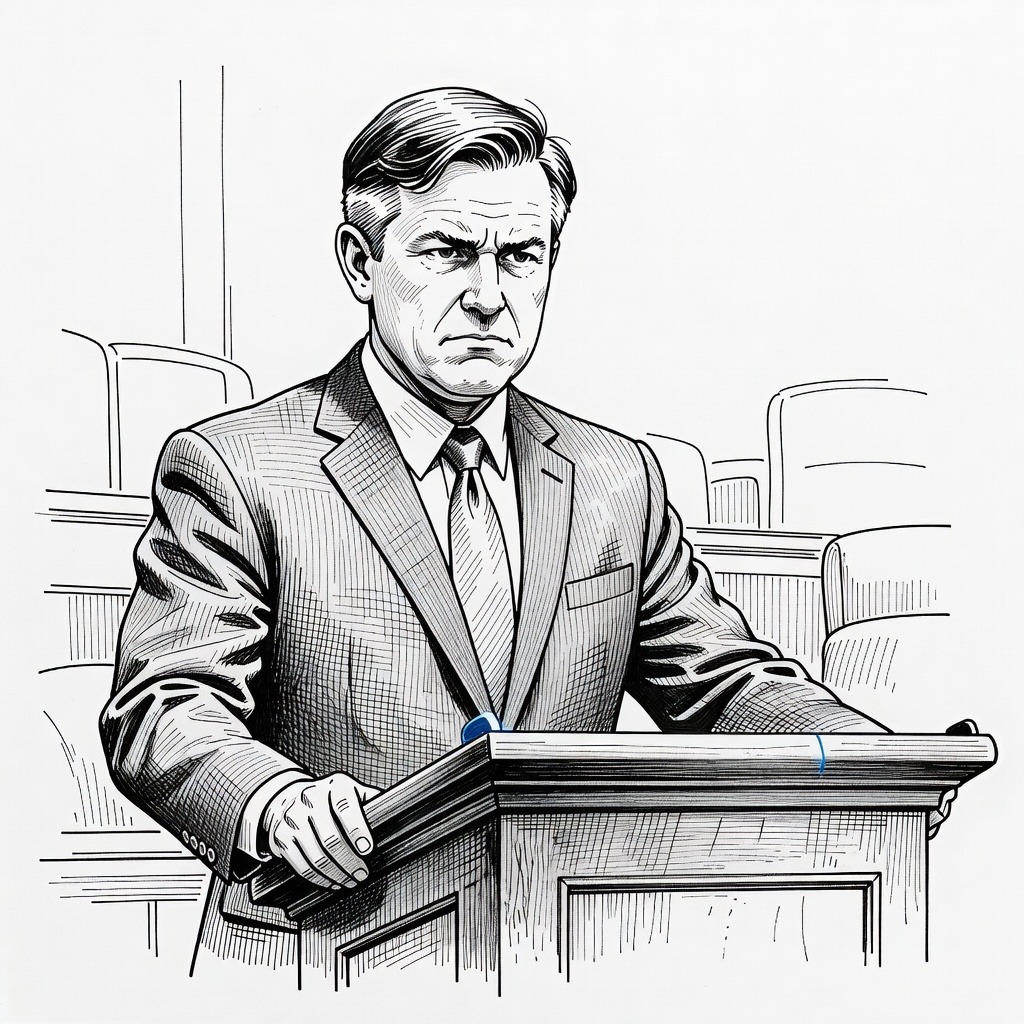
• Challenging Institutional Status Quo This perspective prioritizes functional government accountability, interpreting the failed 224-198 procedural vote as a symptom of a majority unable to fulfill its basic constitutional obligations. Halting progress on foundational bills like the NDAA and the fiscal 2027 State Department spending bill over internal disputes demonstrates how factional warfare undermines the broader public interest. To the reformer, this paralysis proves that the current legislative power structure values ideological posturing over collective progress and stable governance.
• Shielding Crucial Public Protections Prioritizing social progress and the protection of vulnerable populations, this camp views the opposition of Representatives Mike Turner and Victoria Spartz as a principled defense of civic welfare. Rejecting the procedural vote because it omitted key amendments regarding retiree pension benefits is seen as a necessary stand against systemic neglect. By forcing a legislative standstill, these members highlight how vital safety nets are frequently sacrificed during high-level partisan negotiations.
• Resisting External Partisan Pressure This viewpoint prioritizes civil liberties and democratic independence, expressing deep concern over the influence of outside political figures on the legislative process. Donald Trump’s intervention to force the SAVE America Act onto defense spending bills is interpreted as a threat to institutional norms and electoral integrity. Canceling votes and entering an early recess until July 13 is seen as a strategic retreat that leaves vital defense and diplomatic measures hostage to external political demands.
How it may affect me
As a U.S. reader:
• You will experience a temporary freeze on the progress of national defense and diplomatic funding, as votes on the National Defense Authorization Act and the fiscal 2027 State Department spending bill are suspended until at least July 13.
• Certain retirees awaiting updates to their pension benefits will face ongoing uncertainty, as the amendment addressing their pensions was excluded from the stalled floor vote.
• Proposed changes to federal voting regulations and immigration policies are delayed in the short term while lawmakers attempt to negotiate whether to attach these measures to defense legislation.