
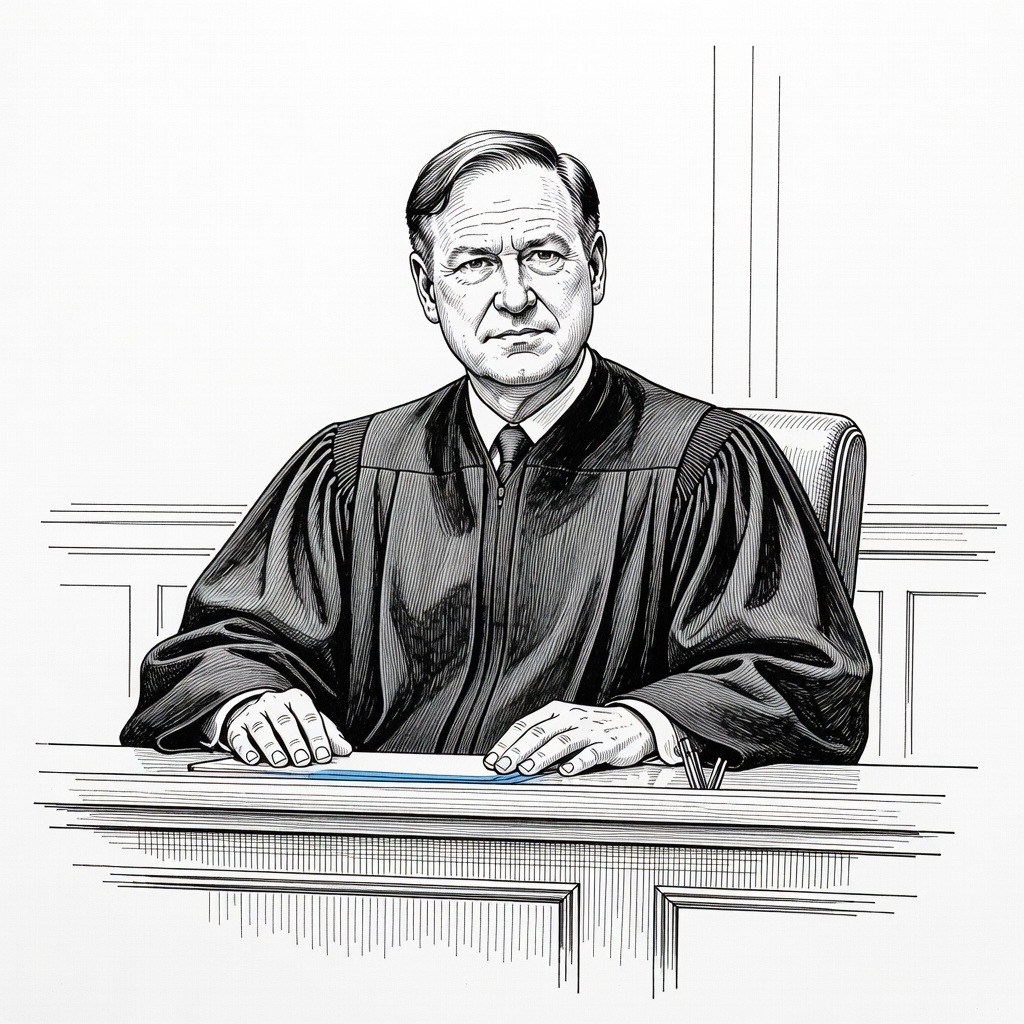
• Shield of Public Accountability The swift retraction by editor Thomas Evans and the planned on-air apology by Nina Totenberg demonstrate a commitment to transparent journalistic ethics that safeguards the public's right to accurate information. By immediately correcting the false report regarding Justice Samuel Alito's retirement, the outlet reinforces the necessary standards of self-correction required of institutions serving the public interest. This rigorous accountability is vital to protecting the credibility of non-commercial media against accusations of bad-faith manipulation.
• Vulnerability Amid Financial Pressure This reporting error occurs at a precarious moment when federal funding cuts enacted in 2025 already threaten the viability of public broadcasting. Systemic underfunding creates operational strain, increasing the risk of editorial oversights while giving political opponents ammunition to dismantle public media infrastructure. Protecting the integrity of these outlets is critical, as they serve as vital watchdogs for civil liberties and government accountability.
• Anxiety of Judicial Imbalance The intense reaction to the false report of 76-year-old Alito's retirement underscores deep public anxiety surrounding the ideological balance of the Supreme Court. Because Alito has served since 2005, his eventual vacancy represents a critical flashpoint for the future of civil liberties and social progress. For reform-minded observers, this incident highlights how high the political stakes are, making absolute accuracy essential to avoid destabilizing public trust during a period of intense institutional friction.
How it may affect me
As a U.S. reader:
• You can expect the ideological balance of the Supreme Court to remain steady for now, as Justice Alito is actively hiring clerks and has no immediate plans to retire.
• You may encounter more debate regarding the funding of public broadcasting, as critics use this high-profile reporting error to justify federal budget cuts while supporters worry about operational strain.
• You might find it more challenging to rely on initial news reports about major judicial vacancies, requiring you to wait for official confirmation from the court or the justices themselves.
• You will see public media outlets attempting to maintain their credibility through swift, transparent corrections and on-air explanations when reporting errors do occur.