
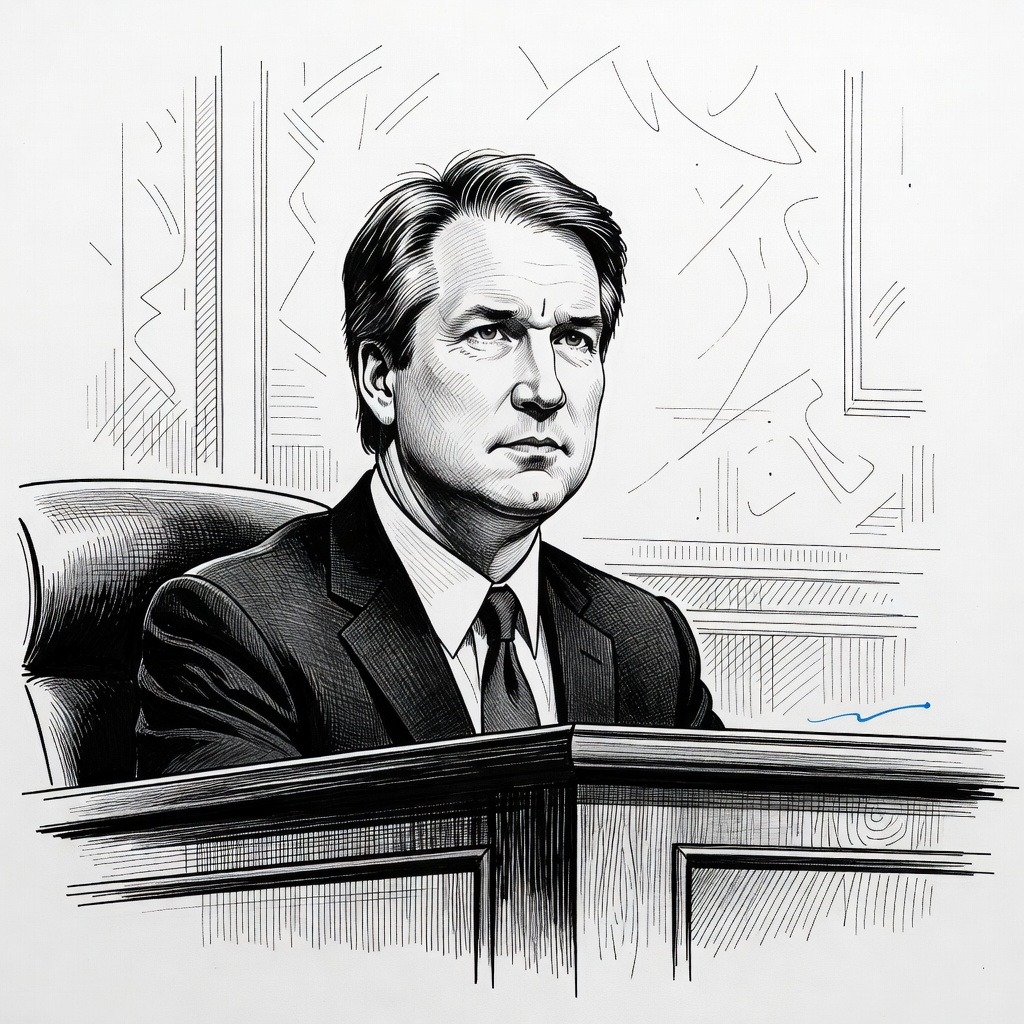
• Shield Against Financial Corruption The primary duty of democratic governance is protecting the legislative process from the corrupting influence of concentrated wealth. Striking down the Federal Election Campaign Act's coordinated expenditure limits—a safeguard defended by Democratic committees—dismantles key protections against systemic influence-peddling. As Justice Elena Kagan warned in her dissent, removing these caps allows wealthy donors and special interests to circumvent standard contribution limits by routing massive sums directly through cooperative party structures.
• Erosion of Democratic Representation Social progress and civic equality rely on a system where every citizen's voice carries equal weight, regardless of financial stature. Overturning the 2001 Supreme Court precedent shifts the balance of electoral power away from grassroots voters and toward elite financial backers who can now fund coordinated campaigns without restriction. This shift guarantees that candidates will prioritize the policy preferences of high-dollar benefactors over the actual needs of their constituents, fundamentally undermining public accountability.
• Gamble on Public Trust The continuous rollback of campaign finance restrictions since 2010 poses a severe threat to the legitimacy of democratic institutions. When the public perceives that electoral outcomes and subsequent policy decisions are dictated by unchecked spending, faith in the rule of law collapses. By enabling political parties to act as unchecked financial clearinghouses for candidates, this ruling risks institutionalizing a transactional political culture that alienates the electorate.
How it may affect me
As a U.S. reader:
• You may receive more coordinated and mobilized communication from political parties during election campaigns because parties can now pool resources and spend unlimited amounts alongside candidates.
• You may see an increase in the influence of wealthy donors and special interests, as they can now route large sums of money through party structures to coordinate directly with campaigns.
• You may find that candidates and elected officials increasingly focus on the policy goals of major financial backers rather than the general needs of their constituents.
• In the long term, you may experience a decline in public trust and faith in democratic institutions as campaign finance restrictions continue to be rolled back.