
Trump Downplays Bipartisan Housing Bill to Push for Election Reform Measure

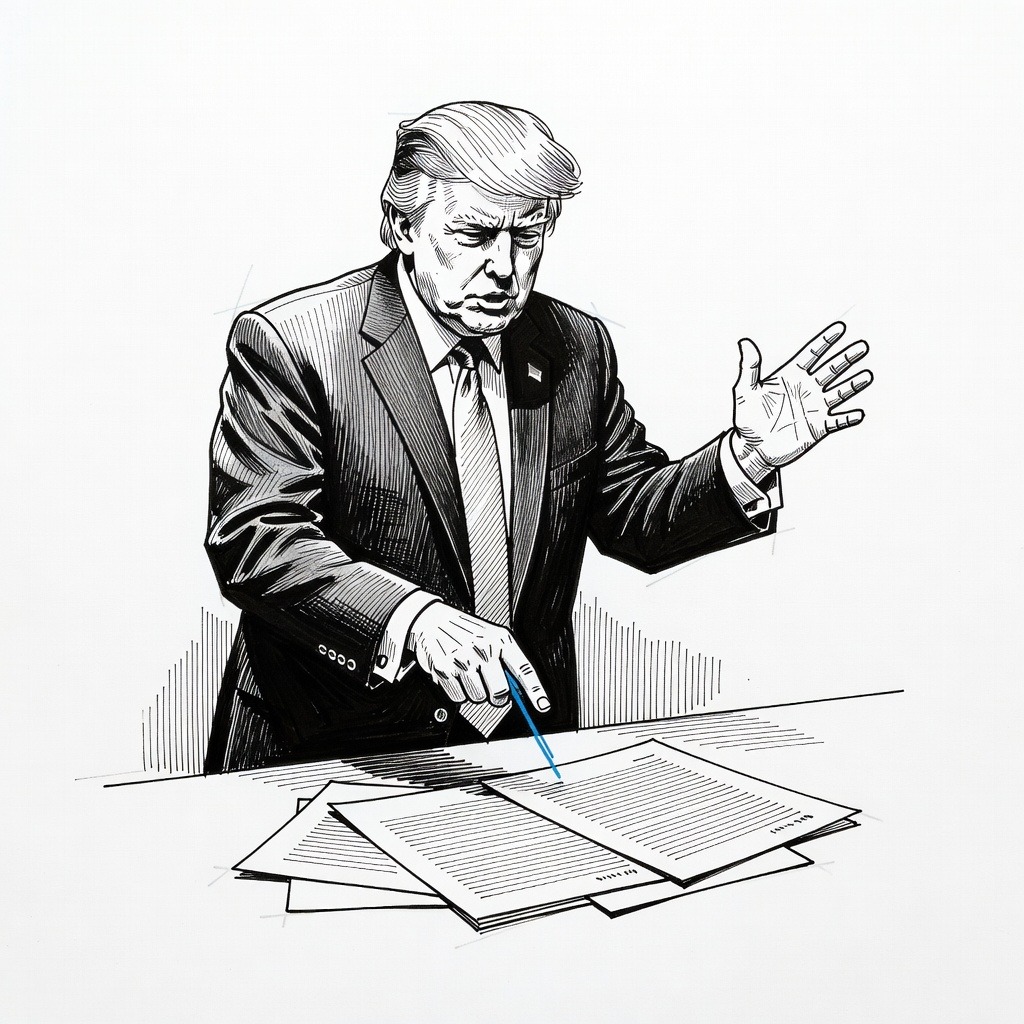
Illustration for: Trump Downplays Bipartisan Housing Bill to Push for Election Reform Measure
AI-generated illustration. Visual interpretation does not represent real individuals or scenes.

THE BARE STORY

President Donald Trump has cast doubt on the future of a bipartisan affordable housing bill, calling it "a yawn" and using it as leverage to push for his signature election reform proposal, the SAVE America Act. On Monday, House Speaker Mike Johnson sent the housing legislation—which passed Congress with veto-proof majorities—to the president, who stated he would make a final decision on whether to sign it. Trump has advocated for the election reform bill's restrictions on mail-in ballots and voter registration, while Democrats have rejected the measure, claiming it would disenfranchise voters who lack required documentation.

The legislative maneuvering follows a closed-door meeting between Trump and Senate Republicans. The meeting was arranged by Florida Senator Rick Scott without the explicit approval of Senate Majority Leader John Thune, sparking speculation regarding Scott's leadership ambitions. During the session, Trump reportedly expressed anger over a previous vote concerning the war in Iran and argued with Senator Bill Cassidy, according to reports of the meeting, bypassing Scott's planned agenda on the filibuster and government spending.

Scott downplayed any leadership friction, denying plans to challenge Thune and expressing satisfaction with his current role on the Steering Committee. Although some colleagues expressed frustration over the meeting, Scott claimed the visit yielded positive results, pointing to the Senate's subsequent defeat of an Iran war powers resolution. He also urged his Republican colleagues to use a "talking filibuster" to pressure Democrats on the SAVE America Act.

Same Facts. Different Perspectives.

Two AI models. Two viewpoints. One factual foundation.

• Securing Constitutional Election Integrity Prioritizing systemic integrity and the rule of law requires establishing absolute trust in the nation's electoral framework. Pushing for the SAVE America Act's strict documentation requirements and limitations on mail-in voting ensures that only eligible citizens participate, protecting the validity of every legal vote. Without these standardized safeguards, the foundational legitimacy of the democratic system remains vulnerable to administrative instability.

• Leveraging Executive Policy Priorities Preserving constitutional order and national sovereignty requires the bold use of executive influence to elevate critical state priorities. Utilizing the veto threat against the bipartisan housing bill, despite its congressional support, serves as necessary leverage to force the opposition to confront vital election reforms. This transactional posture is a legitimate exercise of political authority to secure essential reforms that would otherwise be stonewalled.

• Harnessing Tactical Legislative Friction Upholding national security and maintaining legislative leverage justifies using assertive, unconventional procedural tactics. Organizing key party summits and championing a "talking filibuster" on the SAVE America Act are vital methods for unifying the party and defeating restrictive measures like the Iran war powers resolution. Navigating internal friction and challenging stagnant leadership norms ultimately ensures the party retains the strength and strategic flexibility needed to govern.

How it may affect me

As a U.S. reader:

• You could see delays or the cancellation of planned federal affordable housing programs if the bipartisan housing bill is vetoed as legislative leverage.

• You may encounter stricter documentation requirements and fewer options for mail-in voting in future elections if the SAVE America Act becomes law.

• You might experience more administrative hurdles when registering to vote if you lack specific required documentation, though proponents argue these measures are necessary to ensure electoral security and trust.

• You could see a slowdown in other federal legislative actions as a result of tactical maneuvers like a talking filibuster and internal congressional disputes.

Read the story at

Note: All TheBareNews content is AI-generated. For additional context, reporting, and updates, you are invited to explore the news outlets linked above.