
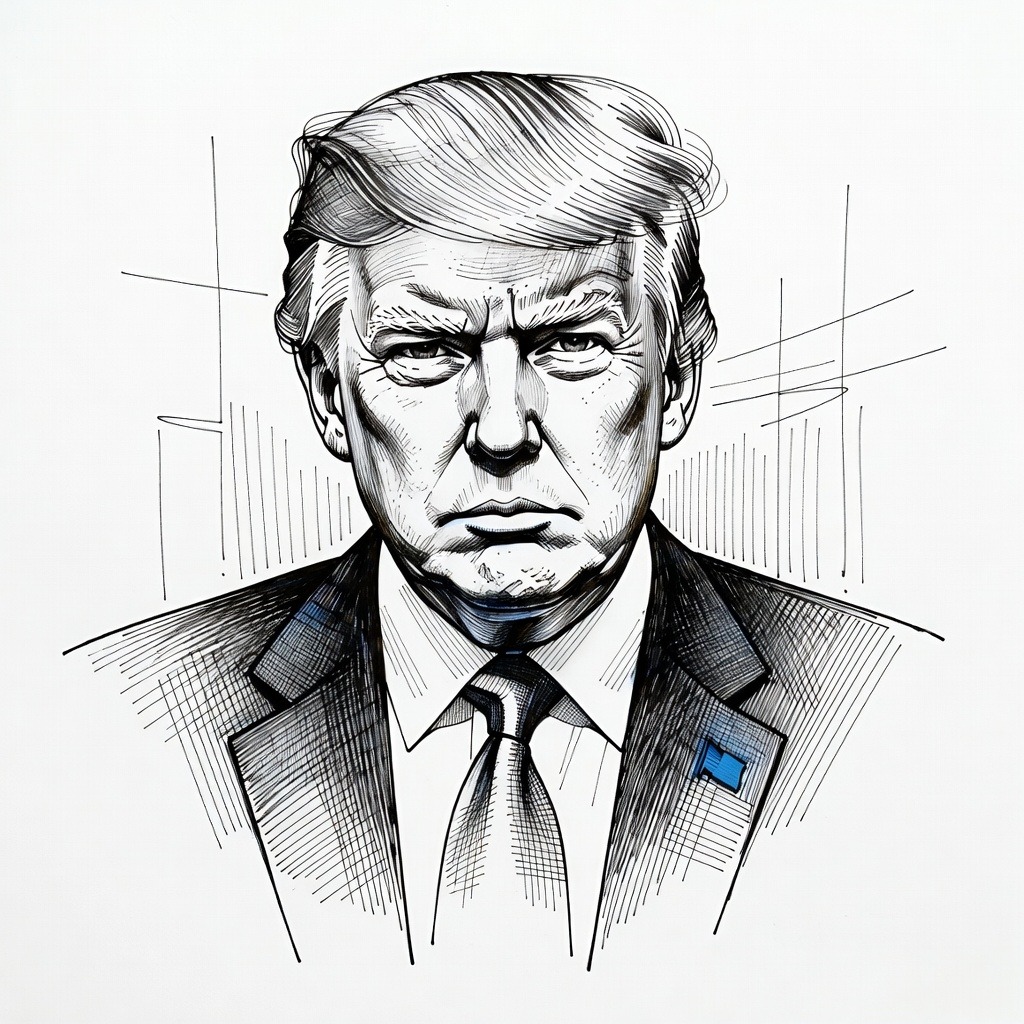
• Shield for the Vulnerable Systemic equity requires that civil courts serve as an accessible mechanism of accountability for victims of sexual abuse, regardless of the perpetrator's political status. The Supreme Court's refusal to review the $5 million verdict affirms the original 2023 jury decision, proving that even a former president is bound by civil liability. By rejecting the appeal, the judiciary upholds the principle that historical allegations, dating back to the mid-1990s, must be treated with institutional gravity rather than dismissed as political inconveniences.
• Validation of Behavioral Patterns Real progress in civil rights relies on courts accepting comprehensive evidence of predatory behavior to overcome the historic silencing of survivors. The trial court's decision to admit the "Access Hollywood" tape and testimony from two other accusers represents a vital step toward recognizing systemic patterns of misconduct. Rejecting Trump's procedural objections demonstrates that judicial integrity is maintained when jurors are given the full behavioral context of an alleged assault rather than viewing it in an artificial vacuum.
• Dismantling of Impunity Paradigms The ultimate danger of shielding powerful figures from defamation and abuse claims is the chilling effect it has on future victims seeking justice. Permitting public figures to use their platforms to label accusers' claims as "hoaxes" without financial consequence undermines the civil protections designed to prevent defamation. This final resolution of the $5 million judgment, alongside the pending appeal of the $83 million verdict, establishes a crucial warning that wealth and political influence cannot permanently obstruct legal reckoning.
How it may affect me
As a U.S. reader:
• Victims of historical abuse may see a clearer path to holding perpetrators accountable through civil courts, establishing that high political or social status does not shield individuals from legal consequences.
• Litigants in civil trials may see courts increasingly permit the introduction of historical pattern-of-behavior evidence, which could influence how trials are conducted and how character evidence is utilized.
• Public figures and private citizens alike face a potential precedent where decades-old, uncorroborated claims can lead to significant financial liability and defamation penalties.
• Public perception of the judiciary may become more polarized, with citizens viewing civil litigation either as a vital tool for systemic justice or as a weaponized political battleground.