
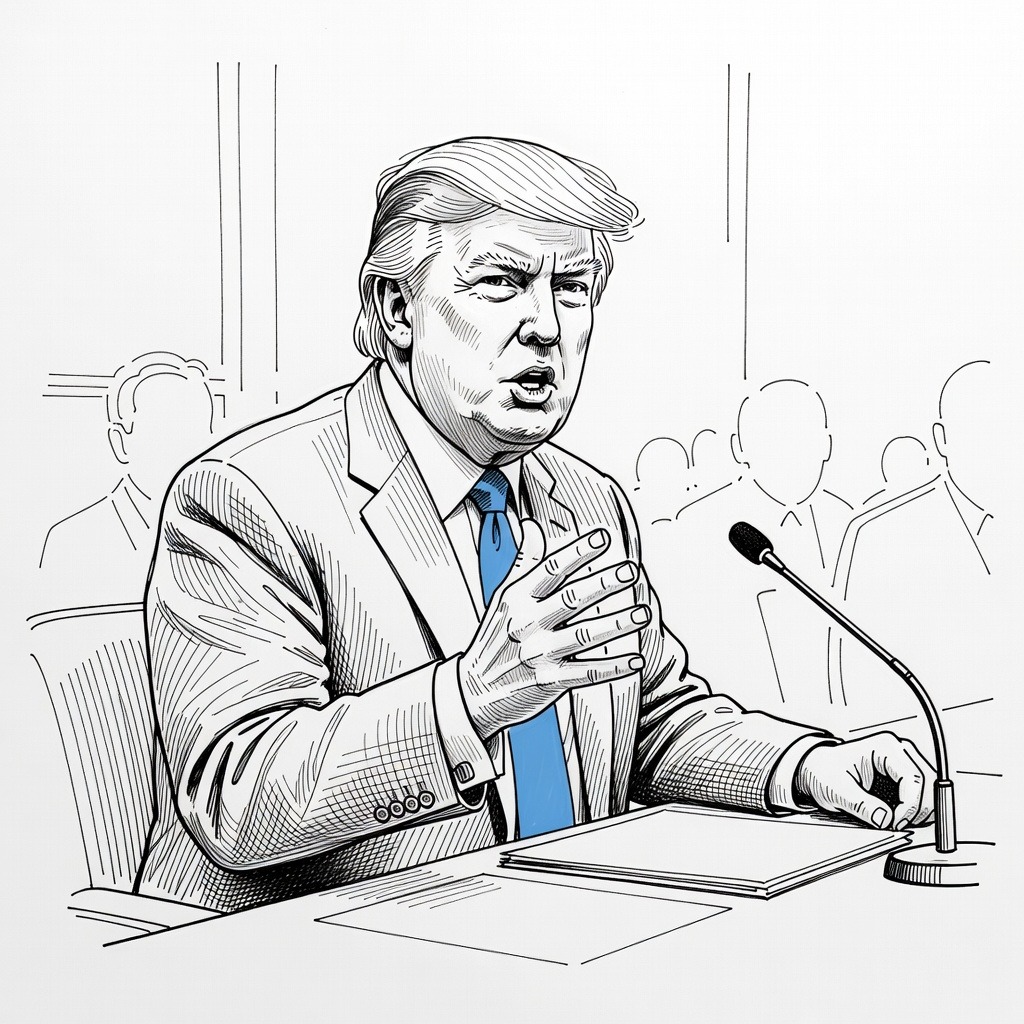
• Corporate Monopolies Squeeze Access The value of fair market competition is undermined when a memory and storage oligopoly dictates high prices, as Jim Cramer observed regarding rising data center development costs. This concentration of corporate power acts as an extractive tax on the broader digital economy, threatening profitability and forcing smaller entities to bear the brunt of inflated infrastructure costs. Protecting consumers and smaller enterprises from such anti-competitive bottlenecks must take priority over celebrating the rapid rebound of tech giants like Amazon and Microsoft.
• Financial Engineering Exploits Workers Corporate maneuvers like Honeywell's spin-off of its aerospace division and big tech's massive, speculative capital expenditures on artificial intelligence prioritize short-term shareholder optimization over long-term economic stability. While these actions generate quick share price rebounds and paper wealth, they often lead to fragmented workforces and volatile capital cycles that leave average employees vulnerable. Focusing on financial engineering and corporate restructurings distracts from the vital task of building a resilient, equitable economy that protects working-class interests.
• Profiteering From National Vulnerability The surge in cybersecurity stock prices for Palo Alto Networks and CrowdStrike highlights a flawed economic framework that monetizes national security anxieties. When the market rewards private firms with share price gains of over 6% and 7.5% because Chinese AI models have matched Anthropic's "Mythos" system in detecting software vulnerabilities, it reveals that public fear is being transformed into private profit. True societal resilience requires collaborative, non-proprietary public safeguards rather than a commercialized security model that treats systemic threats as investment opportunities.
How it may affect me
As a U.S. reader:
• You may see more stable energy and goods prices due to the suspension of hostilities between the United States and Iran, which secures free passage through the Strait of Hormuz and reduces global supply chain frictions.
• You might experience higher costs for digital services as a memory and storage oligopoly drives up data center development costs, potentially squeezing smaller enterprises.
• You could face job market volatility or organizational restructuring if you work for large corporations that are spinning off divisions or heavily shifting capital toward artificial intelligence investments.
• You may experience heightened software security risks or a greater reliance on private cybersecurity defenses as Chinese artificial intelligence models match American systems in detecting software vulnerabilities.