
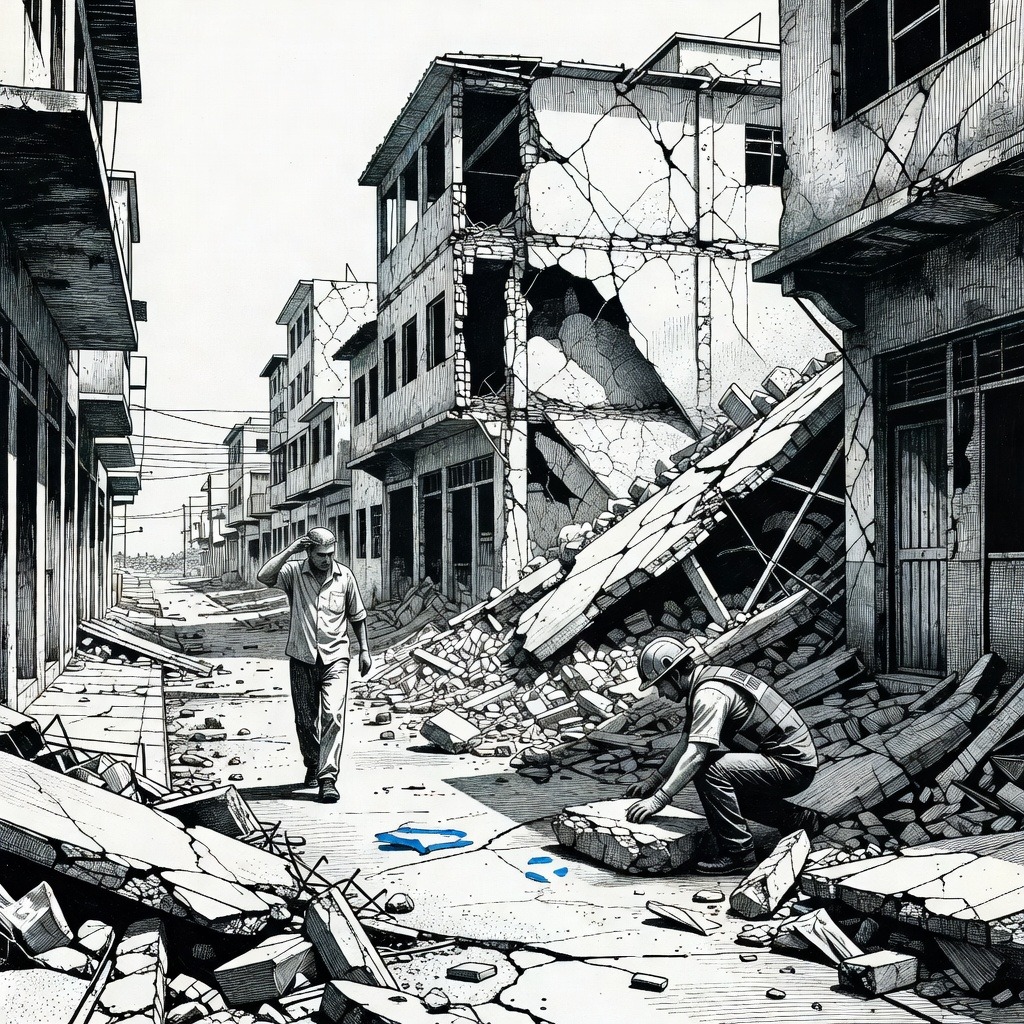
• Expose Systemic Structural Failures Protecting vulnerable populations requires acknowledging that the devastating collapse of buildings in La Guaira and the massive communication outage leaving up to 50,000 missing are failures of institutional safety nets. This camp views the catastrophic toll of 1,430 dead and 3,000 displaced as evidence that the status quo of domestic infrastructure failed to protect citizens. Saving lives must take precedence over preserving the reputation of failing domestic systems.
• Mobilize Borderless Humanitarian Action The priority of protecting human lives demands a globalized, cooperative response that bypasses nationalistic divisions. The collaborative efforts of rescue teams from Colombia, Mexico, Switzerland, and the United States, alongside $150 million in US aid, demonstrate that global solidarity is the only effective remedy for massive crises. This perspective interprets the deployment of US Navy warships not as a geopolitical threat, but as a vital logistical tool to rescue survivors before the critical 72-hour survival window closes.
• Democratize Crisis Tech Infrastructure Empowering citizens during a disaster requires dismantling state monopolies on communication to protect basic civil liberties. Starlink's provision of free satellite SMS services directly challenges the failure of state-run infrastructure that left families isolated during the disaster. The long-term risk this side fears is that relying on centralized, failing state utilities during crises will continue to leave vulnerable populations silent and helpless when time-sensitive rescue windows expire.
How it may affect me
As a U.S. reader:
• In the short term, U.S. rescue teams and Navy personnel are actively deployed to the disaster zone, directly impacting American service members and emergency responders.
• In the short term, the U.S. government is committing 150 million dollars in humanitarian aid, representing a direct allocation of federal resources to foreign relief.
• In the long term, you may observe domestic political debates regarding whether deploying U.S. military assets and funding represents necessary humanitarian solidarity or an overreach of national sovereignty.
• In the long term, the use of Starlink to bypass failed communication networks illustrates the growing role and influence of private technology companies in international crisis response.