
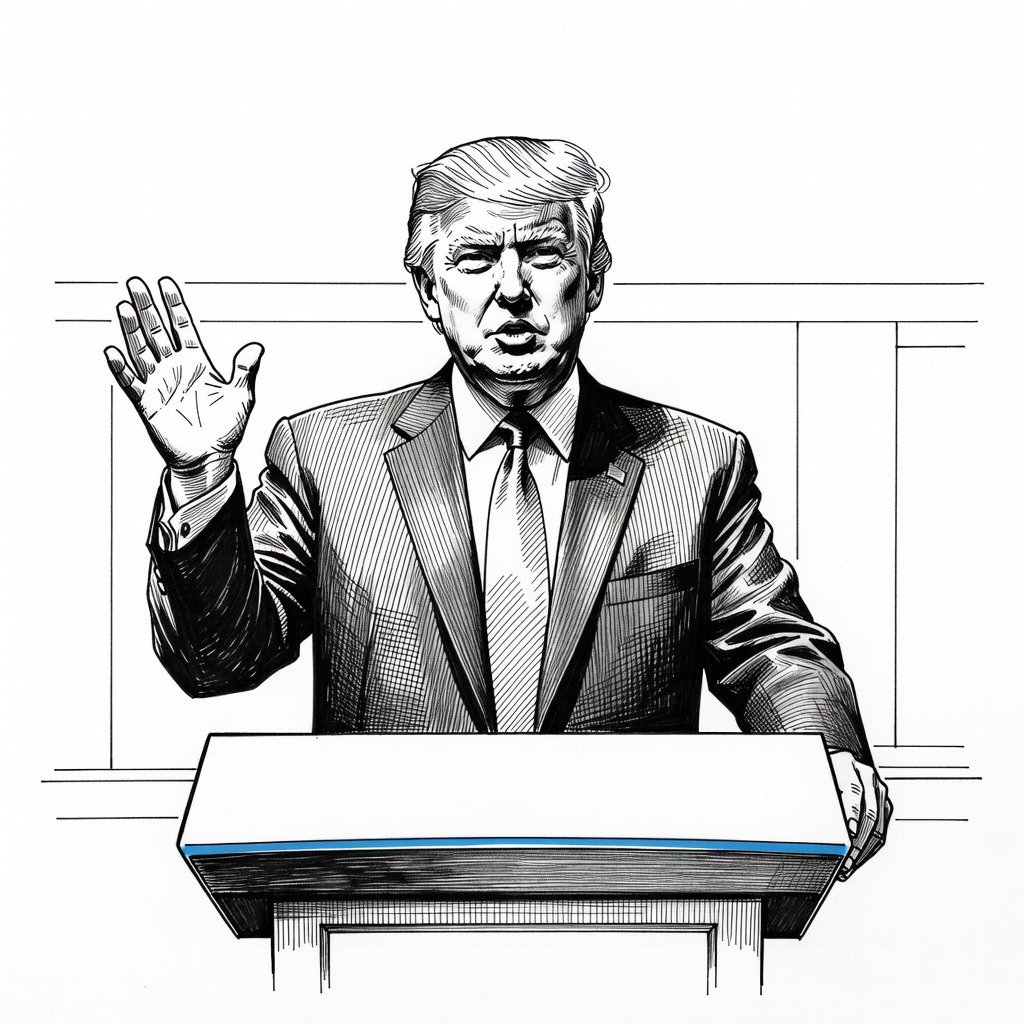
• Erode Civil Liberties Safeguards Social progress and civil liberties require strict institutional accountability, especially when state power results in lethal force against the public. The fatal January shootings of U.S. citizens Renee Good and Alex Pretti by ICE personnel in Minneapolis, alongside recent video-recorded confrontations, underscore an agency in desperate need of systemic reform rather than accelerated enforcement. Elevating a leader praised for maximizing arrest rates signals a disregard for these civil rights violations and threatens to deepen public distrust.
• Weaponize Local Law Enforcement Protecting vulnerable communities requires a clear separation between local public services and federal immigration enforcement. Schroyer's background in Oklahoma leveraging the 287(g) program to coordinate local police with ICE threatens to turn municipal law enforcement into an arm of federal deportation machinery. This integration deters immigrant communities from reporting crimes or cooperating with local police, ultimately undermining public safety and civil liberties under the guise of efficiency.
• Escalate Militarized Enforcement Tactics A humanitarian and rights-based framework views militarized, high-volume arrest strategies as a fundamental threat to due process. Boasting about achieving the highest daily immigration arrest rate reveals a political priority of quantity over justice, treating human beings as mere metrics. By appointing a former Marine and state trooper during a time of heightened scrutiny and protests, the administration prioritizes aggressive, top-down crackdowns over the urgent structural reforms needed to prevent further loss of life.
How it may affect me
As a U.S. reader:
• You may see increased coordination between your local police department and federal immigration authorities if Schroyer expands the 287g program, which aligns municipal law enforcement with ICE deportation efforts.
• You could experience a shift in local public safety, as tighter integration between local police and ICE may deter immigrant communities from reporting crimes or cooperating with local law enforcement.
• In the long term, the confirmation of a permanent ICE director for the first time since 2017 could bring greater administrative stability and operational continuity to federal immigration enforcement.
• You may witness continued public protests and ongoing scrutiny of ICE operations, particularly regarding civil liberties and the agency's use of force following the recent fatal shootings of two U.S. citizens in Minneapolis.
• You might observe a sustained or increased rate of daily immigration arrests and deportations nationwide, reflecting the administration's focus on high-volume enforcement metrics.