
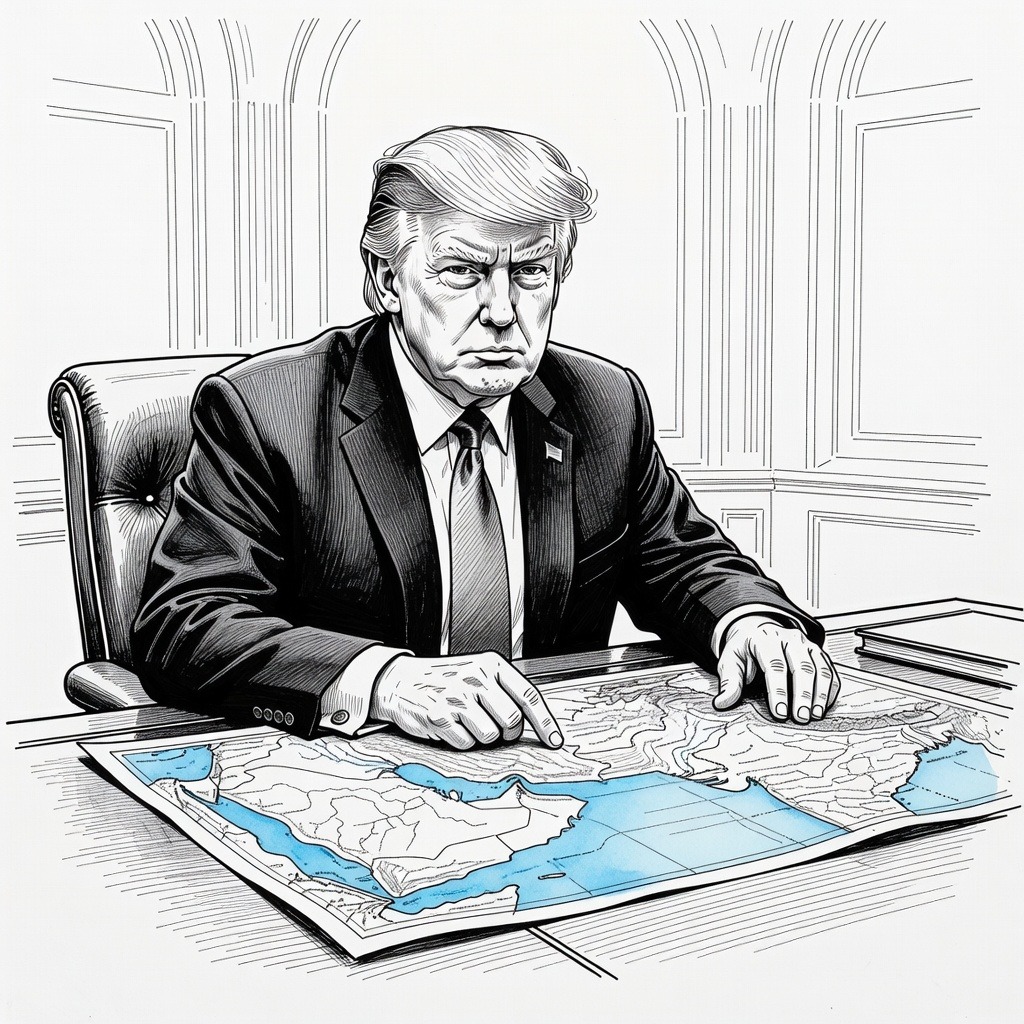
• Shattering Fragile Diplomatic Progress Diplomatic engagement and negotiated frameworks, such as the memorandum of understanding between Presidents Trump and Pezeshkian, represent the only viable path to long-term regional stability. The Friday, June 26 airstrikes conducted by the United States against Iranian radar, missile, and drone locations bypassed diplomatic channels and immediately jeopardized the viability of the newly established agreement. Utilizing kinetic military force as an immediate response to the Thursday drone strike off Oman undermines the political trust required to sustain a peaceful resolution and prematurely collapses diplomatic options.
• Fueling Destructive Escalation Cycles Unilateral military retaliation inevitably triggers a tit-for-tat escalatory spiral that expands the geographical footprint of conflict and endangers civilian infrastructure. The immediate consequence of Friday's retaliatory strikes was a rapid escalation on Saturday, June 27, which brought drone strikes into Bahrain’s airspace and saw a projectile strike a commercial tanker in the Strait of Hormuz. By prioritizing military force over mediated restraint, both nations have created a highly volatile maritime environment where neutral merchant shipping vessels and global trade routes are caught in the crossfire of military posturing.
• Jeopardizing Regional Cooperative Security Lasting security in the Gulf cannot be achieved through unilateral military actions but must rely on multilateral diplomacy, regional consensus, and international law. The widespread condemnation of these military incursions by Bahrain, Saudi Arabia, Qatar, Kuwait, and the United Arab Emirates highlights the collective regional anxiety over localized skirmishes transforming into a broader war. Embracing Oman's neutral role as a mediator is critical to de-escalating tensions, preventing further violations of sovereign airspace, and reinforcing diplomatic protocols rather than kinetic warfare.
How it may affect me
As a U.S. reader:
• You may see disruptions to global trade routes and commercial shipping as neutral merchant vessels and tankers in the Strait of Hormuz are caught in the crossfire of escalating military actions.
• U.S. military personnel stationed in the region, particularly those with the Navy's Fifth Fleet in Bahrain, face increased safety risks as their positions are targeted by drone strikes.
• The breakdown of the diplomatic agreement between President Trump and President Pezeshkian could result in a long-term escalatory cycle, increasing the likelihood of a broader regional conflict rather than a peaceful resolution.