
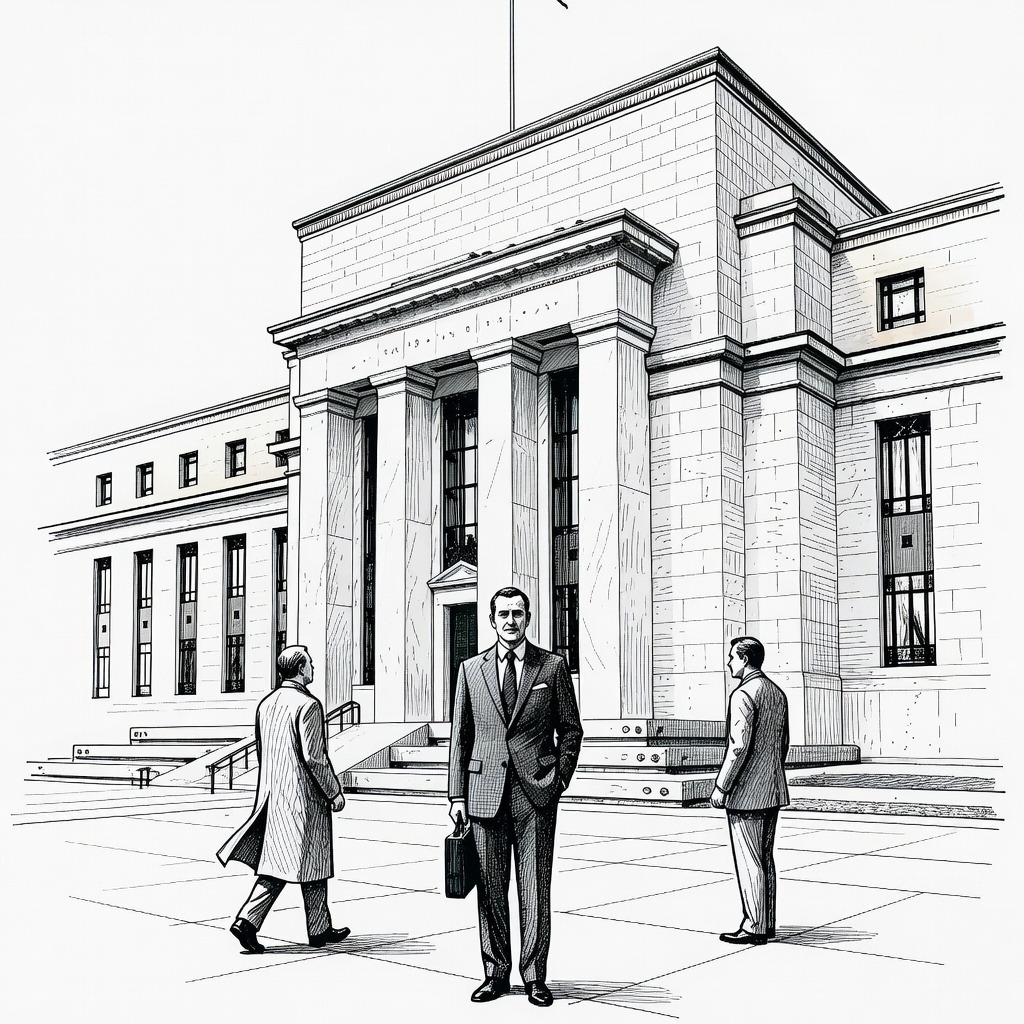
• Shield Consumers from Double Squeeze Prioritizing the defense of household purchasing power requires shielding consumers from the compounding burdens of both high inflation and elevated borrowing costs. This framework interprets New York Fed President John Williams’ preference to maintain current rates and his anticipation of declining rent and energy costs as a necessary safeguard against unnecessary economic pain. Elevating rates further to combat transitional costs would disproportionately penalize working-class borrowers who rely on affordable credit for basic survival.
• Target Structural Supply Drivers Identifying the root causes of economic friction is essential to preventing policy decisions that harm consumers without solving structural problems. From this viewpoint, Minneapolis Fed President Neel Kashkari’s admission that inflation is driven by supply chain bottlenecks, geopolitical tensions, and Middle East instability proves that raising interest rates is an ineffective, blunt instrument. Applying tight monetary policy cannot resolve global supply disruptions, and doing so only extracts wealth from everyday consumers under the false pretense of stabilizing the market.
• Curb Speculative Market Volatility Protecting the real economy from the destabilizing whims of financial speculation is vital for broad-based economic security. This perspective strongly aligns with Chicago Fed President Austan Goolsbee’s refusal to participate in routine rate speculation, even as markets price in a 30 percent probability of a September hike. Restraining central bank forward guidance prevents institutional traders from manufacturing artificial market volatility, thereby protecting consumer credit markets from speculative disruptions ahead of the July 28–29 meeting.
How it may affect me
As a U.S. reader:
• You may face higher borrowing costs and more expensive credit in the near term if the Federal Reserve decides to implement an interest rate hike this year.
• You will likely continue to experience elevated prices for household necessities like energy and rent as headline inflation remains at 4.1 percent.
• You may need to prepare for a prolonged period of high living costs, as some projections indicate inflation will not return to the central bank's 2 percent target until 2028.
• Your savings and capital value could be eroded over time if persistent inflation is not brought under control through monetary discipline.