
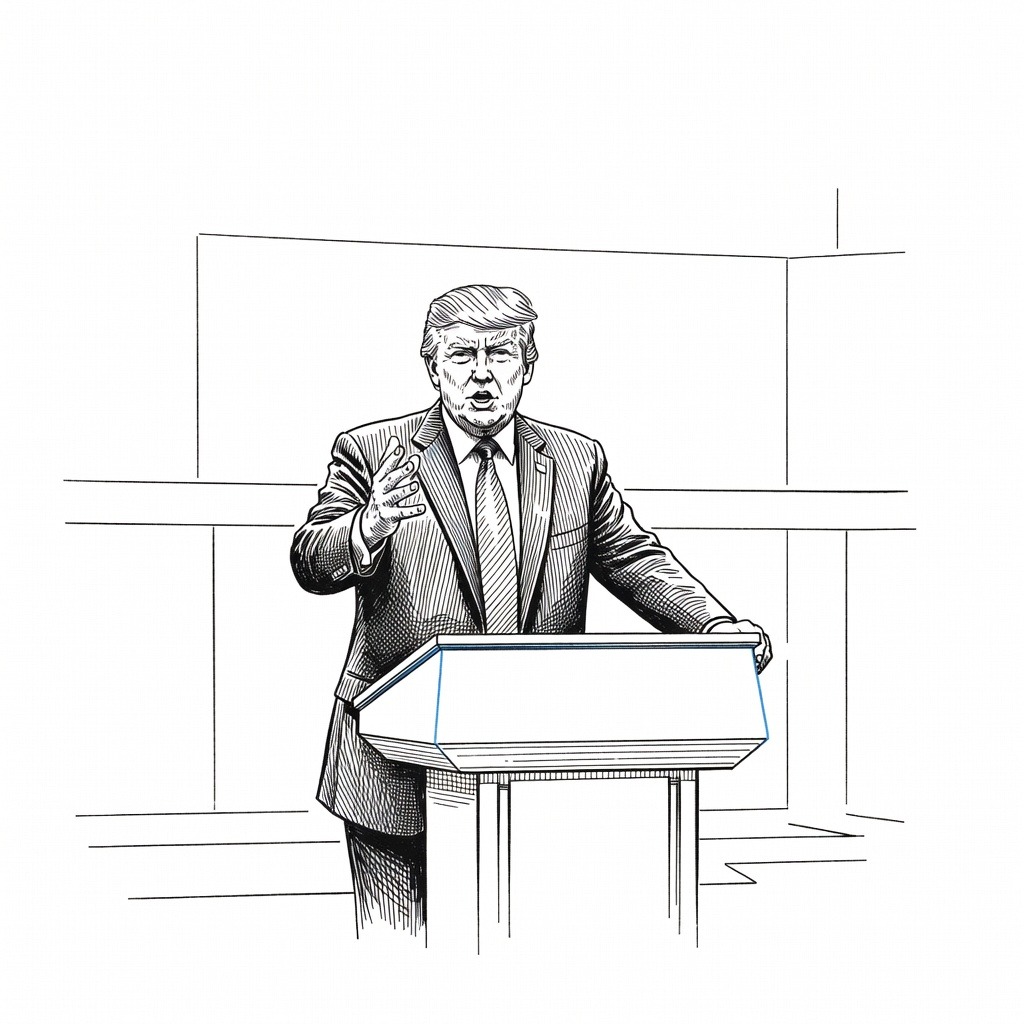
• Shielding Corporate Tax Avoidance Ensuring corporate accountability requires that multinational corporations pay taxes in the jurisdictions where they generate massive revenues. Because digital service taxes target foreign tech giants that profit from local populations without maintaining a physical footprint, shielding these corporations from such taxes protects systemic tax avoidance. Threatening devastating tariffs to defend these tech monopolies from paying their fair share directly undermines global efforts toward tax equity and starves public services of necessary revenue.
• Penalizing the Domestic Consumer Imposing aggressive, sweeping tariffs on foreign imports ultimately shifts the tax burden directly onto domestic households. A 100% tariff on foreign goods would dramatically raise prices on everyday products, acting as a highly regressive tax that disproportionately hurts working-class consumers. Weaponizing trade policy to protect the profits of a few highly profitable technology firms sacrifices the purchasing power and economic security of ordinary citizens.
• Destabilizing Multilateral Trade Rules Sustained economic prosperity relies on predictable, rules-based international trade agreements and strict adherence to constitutional limits on executive power. Unilaterally threatening 100% tariffs bypasses established legal frameworks and threatens the delicate July 4 deadline to cap export tariffs at 15%. Bypassing Congress and ignoring the statutory limits of Section 122 of the Trade Act of 1974 creates severe market volatility, invites retaliatory trade wars, and undermines the domestic rule of law.
How it may affect me
As a U.S. reader:
• You could face significantly higher prices on everyday imported goods from European nations if the proposed 100 percent tariffs are enacted.
• In the short term, any unilateral tariffs imposed by the president under the Trade Act of 1974 would be legally capped at 150 days and would require congressional approval to extend further.
• In the long term, you could experience market instability and retaliatory trade actions if these tariff threats disrupt the pending July 4 trade negotiations with the European Union.
• Your job security or investments in the domestic technology sector could be protected if the tariff threats successfully deter foreign nations from taxing and siphoning capital from American tech companies.