
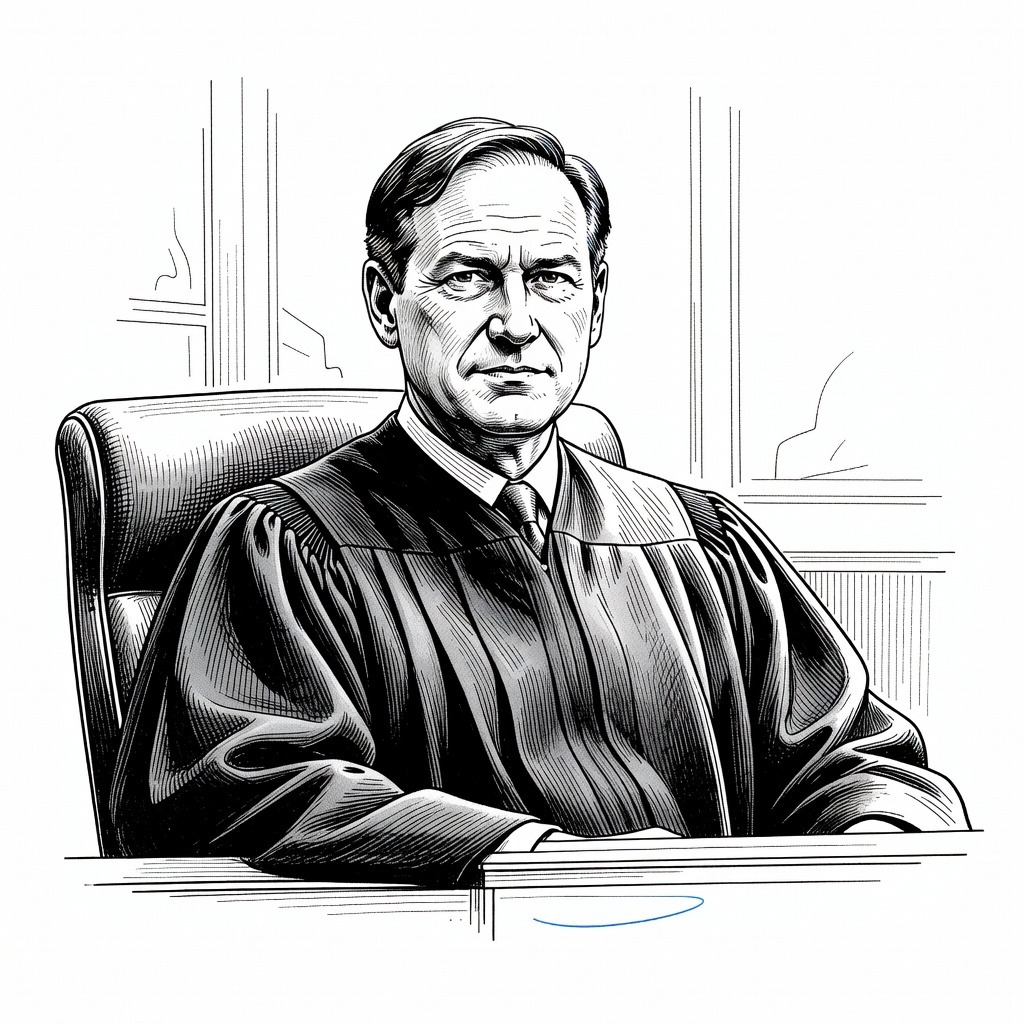
• Shielding Displaced Human Dignity Forcing over one million individuals from Haiti and Syria back to unstable, war-ravaged, or disaster-stricken environments violates the fundamental humanitarian duty of safe harbor. This camp prioritizes the safety and human rights of vulnerable residents who originally fled catastrophes like the 2010 Haitian earthquake and the 2012 Syrian civil war. By stripping legal protections and granting the Department of Homeland Security unchecked termination authority with zero judicial oversight, the ruling dismantles critical civil liberty protections. This judicial retreat leaves historically marginalized communities entirely defenseless against sudden shifts in executive policy.
• Disrupting the Economic Engine Abruptly stripping legal status from integrated workers actively damages local economies and destabilizes critical public sectors like home healthcare. In states like Ohio, where more than 10,000 Haitians will instantly transition to undocumented status, the ruling forces employers to terminate vital personnel to avoid breaking the law. This perspective views the decision as an artificial disruption of the labor market that will inevitably trigger severe labor shortages and consumer price increases. Penalizing productive, essential workers who have built livelihoods over decades is a counterproductive policy that prioritizes bureaucratic rigidity over collective prosperity.
• Gamble on Systemic Disenfranchisement Excluding over a million people from the legal workforce creates a state-manufactured underclass, driving vulnerable populations into the shadow economy where labor exploitation runs rampant. Because legislative avenues to extend protections have historically faced political gridlock in Congress, relying solely on federal political processes leaves families in permanent limbo. The long-term risk of this ruling is the erosion of municipal stability and the fracturing of communities that have successfully integrated these residents. By removing judicial guardrails, the court has prioritized unchecked executive power over the long-term social cohesion of American cities.
How it may affect me
As a U.S. reader:
• Employers in sectors like home healthcare may face sudden labor shortages and will be legally required to terminate employees who lose their work authorization.
• Consumers may experience rising prices for goods and services as a direct result of these labor shortages.
• Local communities and municipalities may experience social and economic disruption as over one million long-term residents lose their legal status.
• In the long term, the public can expect executive branch decisions on temporary immigration statuses to carry less judicial oversight, placing the responsibility for permanent immigration solutions on Congress.