
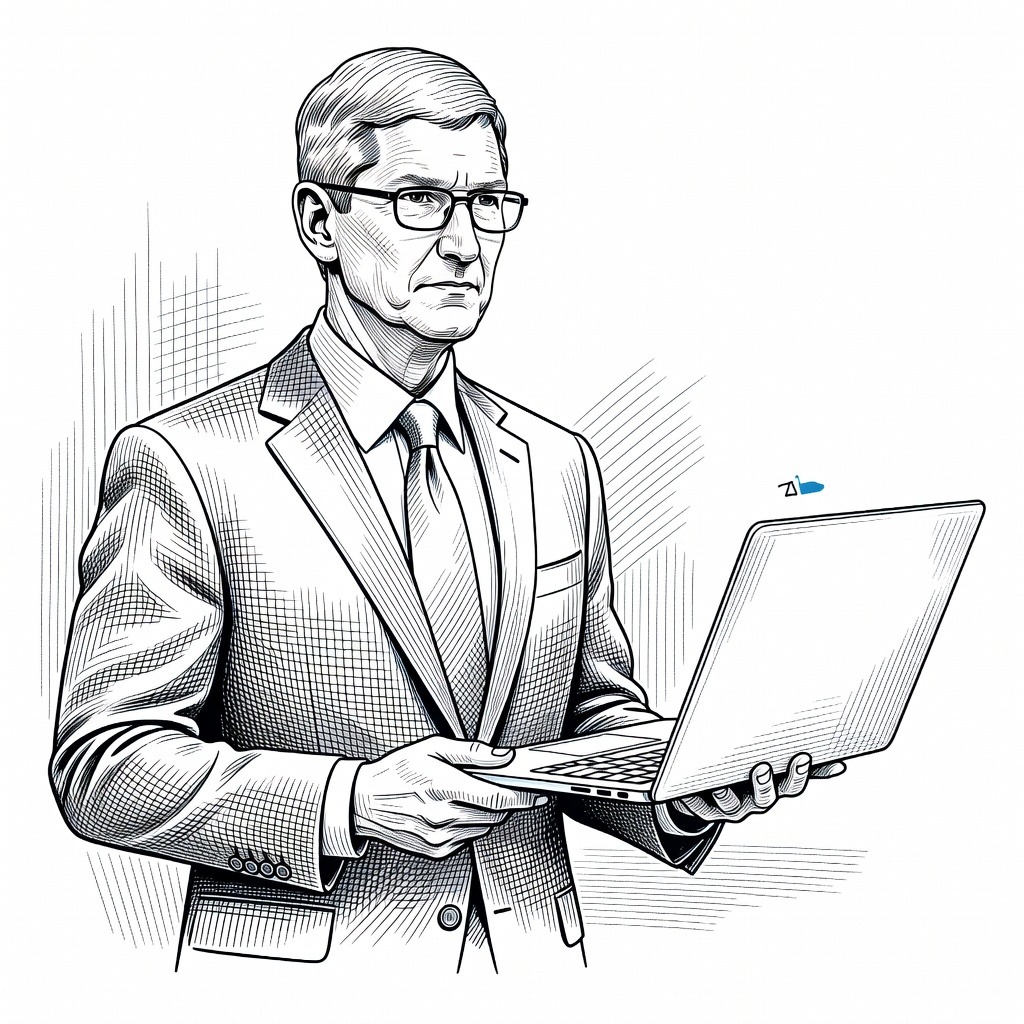
• Offloading Supply Chain Burdens Apple’s decision to pass component costs directly onto buyers highlights a systemic preference for protecting corporate profit margins over consumer affordability. Chief Executive Officer Tim Cook's claim that the company can no longer "shield" users obscures the reality that massive tech corporations possess the capital reserves to absorb these supply shocks. Instead, everyday consumers are forced to shoulder steep hikes, like the $200 increase on the MacBook Air, ensuring corporate balance sheets remain insulated from macroeconomic volatility.
• Subsidizing AI Arms Races The expanding demand for artificial intelligence data centers is creating an extractive ecosystem where everyday hardware users fund corporate infrastructure expansion. Component suppliers like Micron are currently celebrating quadrupled quarterly revenues, demonstrating a massive upward wealth transfer during a global supply squeeze. This dynamic forces standard consumers to overpay for essential devices in order to subsidize the lucrative back-end AI ambitions of massive tech conglomerates.
• Gating Basic Digital Access Pushing the entry-level MacBook Neo to $699 and the base iPad Air to $749 threatens to price vulnerable demographics out of essential modern tools. The immediate 6% drop in Apple’s stock over fears of "demand destruction" validates concerns that aggressive pricing strategies are actively alienating working-class buyers. If upcoming iPhones also experience price hikes to support mandatory on-device AI features, the tech industry risks creating a deeply unequal society where basic digital utility becomes an exclusive luxury.
How it may affect me
As a U.S. reader:
• In the short term, you will face immediate price increases ranging from $100 to $300 when purchasing new Apple laptops and tablets, which may price budget-conscious buyers out of certain devices.
• You should anticipate potential price hikes on upcoming iPhone models, as these devices will require more expensive memory components to run new on-device artificial intelligence features.
• When buying standard personal hardware, you are now indirectly absorbing the high component costs generated by the tech industry's massive expansion of artificial intelligence data centers.
• Over the long term, you can expect the tight supply of device memory to keep hardware prices elevated beyond 2027, though the current windfall for component suppliers may eventually fund new manufacturing facilities to stabilize consumer costs.