
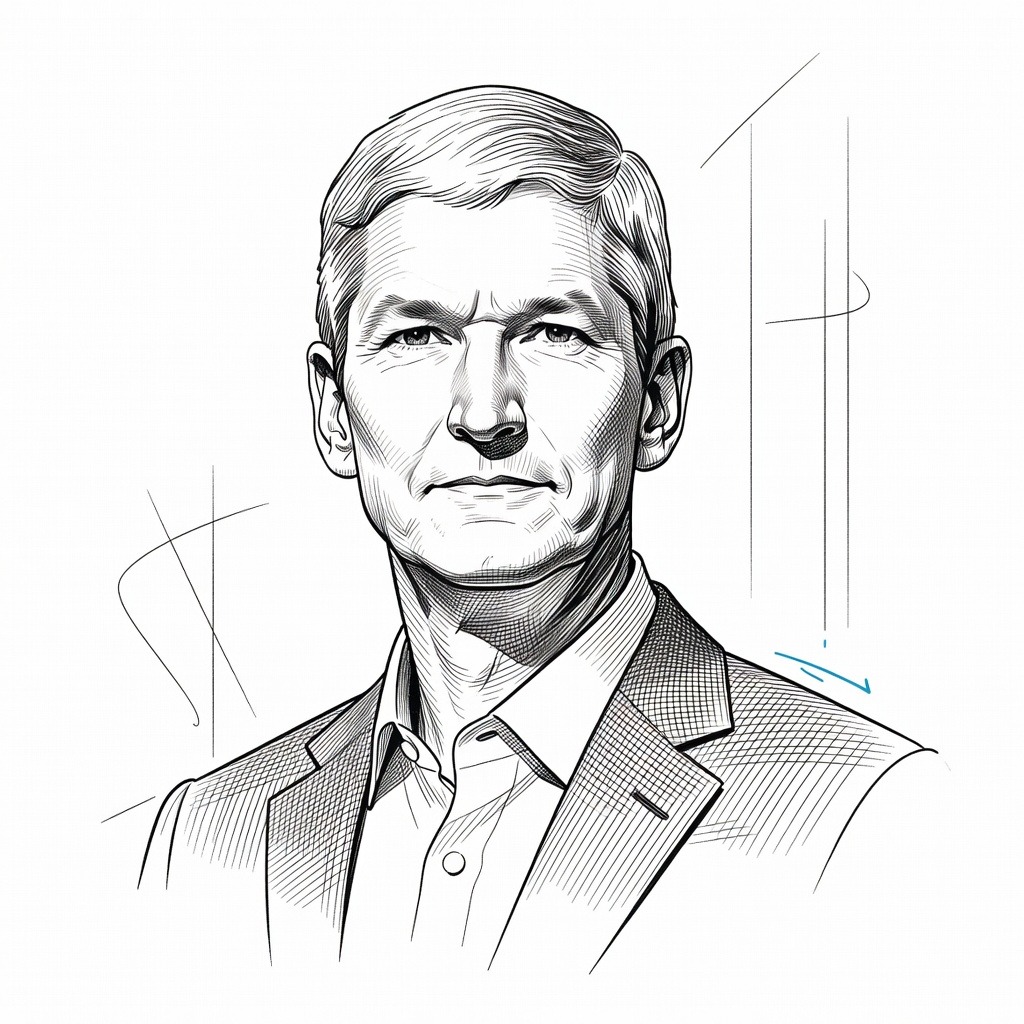
AI-generated illustration. Visual interpretation does not represent real individuals or scenes.
Microsoft Raises Xbox Prices by up to $150 Amid Memory Shortage
2026-06-25
The BareStory
Microsoft is raising prices for its Xbox gaming consoles by $100 to $150 due to an ongoing memory shortage. Effective August 1, the 512 GB Xbox Series S will increase to approximately $500, while the 1 TB version will see a $150 increase, according to the company. Microsoft also stated the entry-level Xbox Series X will now start at about $750, and the 2 TB model introduced in 2024 will be discontinued.
The company stated that console storage and memory prices have increased by more than two and a half times, projecting that costs could double again by the fall of 2027. Xbox representatives claimed the component shortage impacts consoles heavily because they are typically sold below manufacturing costs. Microsoft noted it had previously increased United States console prices last October and had spent recent months working with suppliers to avoid further hikes.
The Xbox pricing adjustments followed similar moves by Apple, which announced price increases for its MacBooks and iPads. Apple Chief Executive Officer Tim Cook stated that raising prices had become inevitable. Following the respective announcements, market data showed Microsoft shares fell by nearly 4 percent and Apple stock dropped 5 percent.
According to memory manufacturers such as Micron and SK Hynix, limited capacity is driving surging prices across the consumer electronics industry. The manufacturers stated they are prioritizing high-bandwidth memory for artificial intelligence infrastructure, which has allowed suppliers to raise prices and widen profit margins.
Left Perspective
Shielding Corporate Profit Margins
Subsidizing the AI Pivot
Choking the Captive Consumer
Right Perspective
Reflecting True Production Costs
Engine of Market Efficiency
Gamble on Demand Destruction
Left Perspective
• Shielding Corporate Profit Margins
Prioritizing social equity, this view sees the $100 to $150 Xbox price hike as a direct transfer of supply chain friction onto everyday buyers. Rather than absorbing the 2.5x surge in memory costs, Microsoft is protecting its broader corporate profitability by raising the entry-level Series X to an exclusionary $750. This breaks the historic consumer standard of loss-leader hardware, effectively pricing lower-income demographics out of digital participation to protect corporate balance sheets.
• Subsidizing the AI Pivot
Focusing on systemic resource extraction, this camp highlights that consumer prices are surging specifically so manufacturers like Micron and SK Hynix can widen their own profit margins. By actively diverting limited capacity toward high-bandwidth memory for AI infrastructure, the tech sector is forcing everyday gamers and hardware buyers to underwrite Silicon Valley's new AI arms race. The everyday consumer is sacrificed to feed institutional tech expansion.
• Choking the Captive Consumer
Viewing the simultaneous moves by Microsoft and Apple as evidence of concentrated corporate power, this perspective fears the normalization of endless price escalation. With Apple's CEO labeling such hikes "inevitable" and Microsoft discontinuing the 2TB model entirely, consumers are left with zero affordable alternatives across the electronics market. The resulting 4% drop in Microsoft shares reflects a precarious economic breaking point, signaling that corporate extraction is finally exhausting the purchasing power of the working class.
Right Perspective
• Reflecting True Production Costs
Grounded in fiscal realism, this framework views the price adjustments starting August 1 as an unavoidable mathematical necessity. With memory costs already up over 250% and projected to double again by 2027, maintaining artificial price ceilings on hardware traditionally sold below manufacturing cost is fiscally irresponsible. Microsoft is simply realigning consumer pricing with the severe, physical constraints of the global supply chain.
• Engine of Market Efficiency
Prioritizing systemic innovation, this perspective sees the memory shortage as a natural and highly efficient reallocation of manufacturing capacity. Micron and SK Hynix are responding rationally to market signals by prioritizing high-bandwidth AI infrastructure over standard consumer electronics. This temporary constraint on entertainment goods serves as the necessary engine to fund and scale the next major leap in global technological productivity.
• Gamble on Demand Destruction
Focusing on market discipline, this camp points to the immediate 4% and 5% stock drops for Microsoft and Apple as proof that free markets rapidly self-regulate. Hardware producers are taking a calculated pricing risk to protect the viability of their supply lines without entirely destroying their user base. Investors instantly penalized these companies, ensuring that tech giants remain accountable to the delicate balance between covering escalating supply costs and maintaining consumer demand.
How it may affect me
As a U.S. reader:
• In the short term, you will face significantly higher out-of-pocket costs for consumer electronics starting August 1, including a $100 to $150 price increase for new Xbox consoles and similar price hikes for Apple MacBooks and iPads.
• You will have fewer high-capacity hardware options to choose from when shopping, as companies scale back their offerings, directly evidenced by Microsoft discontinuing its 2TB Xbox model.
• You or other everyday buyers, particularly in lower-income demographics, may be priced out of the digital entertainment market as tech companies abandon the practice of selling entry-level devices below manufacturing costs.
• In the long term, you should expect the prices of consumer electronics to remain elevated or continue to climb through at least the fall of 2027, as underlying component costs are projected to double again over that timeframe.
• You will likely experience ongoing supply constraints and price pressures across the broader tech market, as memory manufacturers prioritize allocating their limited resources to artificial intelligence infrastructure rather than standard consumer goods.