
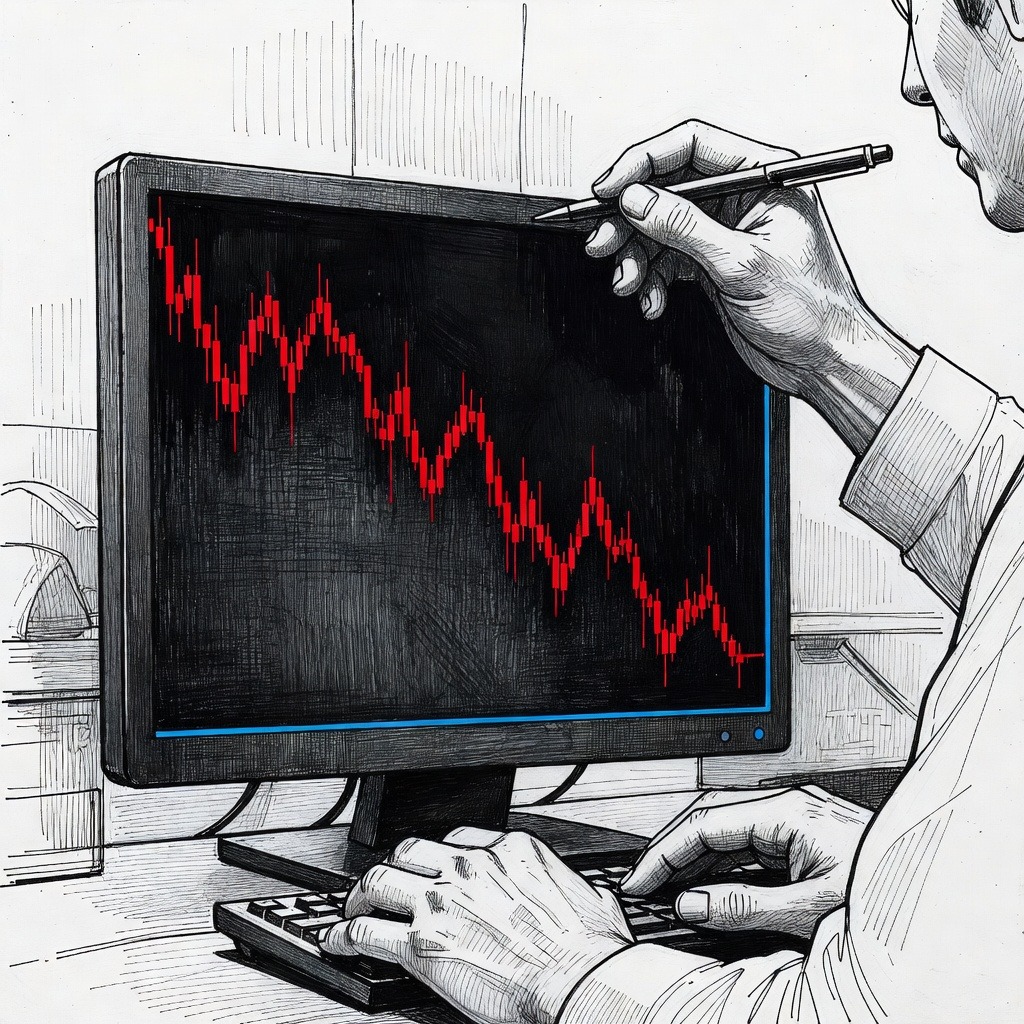
• Exposing the Speculative Illusion Prioritizing the financial safety of everyday citizens requires skepticism toward highly volatile, non-productive assets. The 52 percent decline from last year's high and the slide below the $60,000 threshold underscore the inherent dangers of a market driven by speculation rather than intrinsic economic value. For advocates of financial equity, this eight-month bear market validates concerns that digital assets lack the stability needed to serve as reliable stores of wealth for vulnerable populations.
• Institutions Shielding Themselves First Ensuring equitable market structures demands scrutiny into how financial downturns disproportionately impact retail investors versus Wall Street. While OranjeBTC’s Sam Callahan claims institutional participation has reduced volatility, the heavy volume of put options and $182 million in ETF outflows reveal that sophisticated players are aggressively shorting the asset to protect their own capital. This dynamic exposes a system where institutional insiders successfully hedge their bets while retail participants are left holding the bag as total ETF assets plummet from $113 billion to $77.5 billion.
• Enforcing Urgent Regulatory Guardrails Prioritizing systemic safety dictates that emerging financial products must be brought under strict legislative supervision before further wealth is destroyed. The looming summer recess deadline for the CLARITY Act represents a critical, closing window to establish consumer protections against an asset expected to suffer chaotic 3 percent daily price shifts. Furthermore, as the Federal Reserve battles real-world inflation exacerbated by the war in Iran, speculative capital is rightfully being drained from unregulated crypto markets into more productive, tangible sectors.
How it may affect me
As a U.S. reader:
• Retail investors holding Bitcoin or related exchange-traded funds face short-term wealth reductions as total fund assets have fallen significantly, while institutional traders are utilizing options to hedge against further drops.
• Anyone participating in the digital asset market should anticipate continued short-term price instability with expected daily shifts of roughly 3 percent, though institutional presence may make these swings less severe than in past downturns.
• Long-term consumer protections and structural rules for cryptocurrency investments depend on whether Congress passes the CLARITY Act before its impending summer recess deadline.
• The general public will likely experience continued strict inflation-fighting measures from the Federal Reserve in response to broader macroeconomic pressures and the war in Iran.
• Individuals tied to the tech economy may observe a shift in financial resources as investment capital rotates away from digital assets and broader tech stocks into artificial intelligence.