
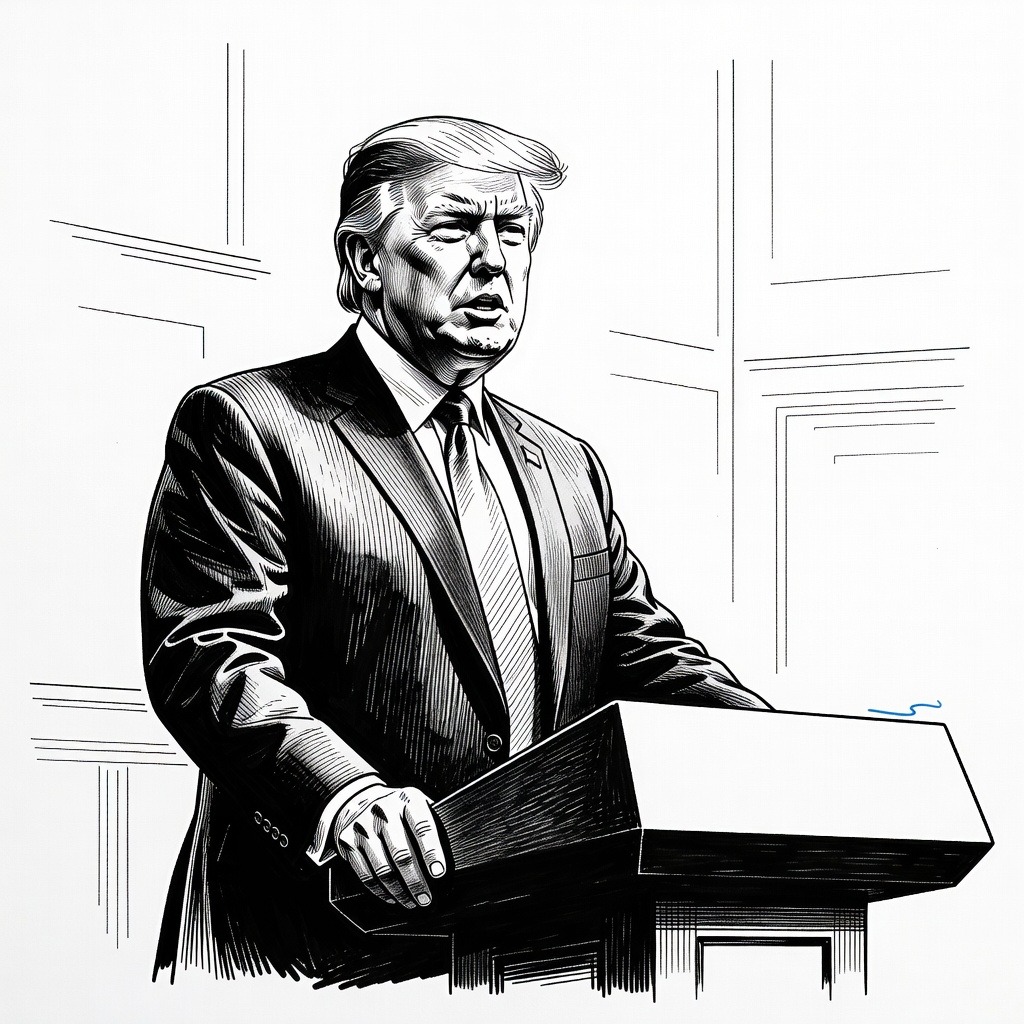
• Shielding Against Corporate Extraction Values aggressive government oversight to protect citizens from asymmetric wealth extraction by energy monopolies. Views President Donald Trump’s Department of Justice probe into Chevron, ExxonMobil, Shell, and BP as a necessary intervention against institutional greed. Believes that when global crude costs drop near pre-war levels, the failure to immediately lower retail gasoline prices is an act of predatory profit-padding rather than a natural market rhythm.
• Challenging the Lag Narrative Dismisses Chevron CFO Eimear Bonner’s claim of a "standard time lag" as an artificial justification for prolonged price gouging. Prioritizes immediate social equity at the consumer level over the preservation of corporate profit margins. Interprets this pricing model—where corporations quickly raise prices during crises but delay drops during normalization—as systemic exploitation requiring forceful regulatory correction.
• Securing Public Dividends First Views the U.S.-Iran memorandum of understanding and the avoidance of Strait of Hormuz transit fees as diplomatic victories that must translate directly into domestic economic relief. Fears that without strict Justice Department enforcement, the financial benefits of resumed Middle East shipping will be captured entirely by fossil fuel executives. Welcomes the classification of fuel pricing as a "national security matter" to prevent corporate actors from hoarding the economic windfall of global de-escalation.
How it may affect me
As a U.S. reader:
• Retail gasoline prices may not drop immediately due to the time lag required to process older inventory, but consumers can expect lower costs as global crude price reductions reach local stations.
• The ongoing Department of Justice investigation could lead to stricter federal oversight, potentially changing how quickly energy corporations are required to adjust consumer fuel prices.
• Consumer energy costs may stabilize in the long term due to the avoidance of shipping tolls in the Strait of Hormuz and corporate commitments to increase annual fuel production.
• Federal intervention treating fuel pricing as a national security matter might impact future private sector investment and market confidence in the energy industry.