
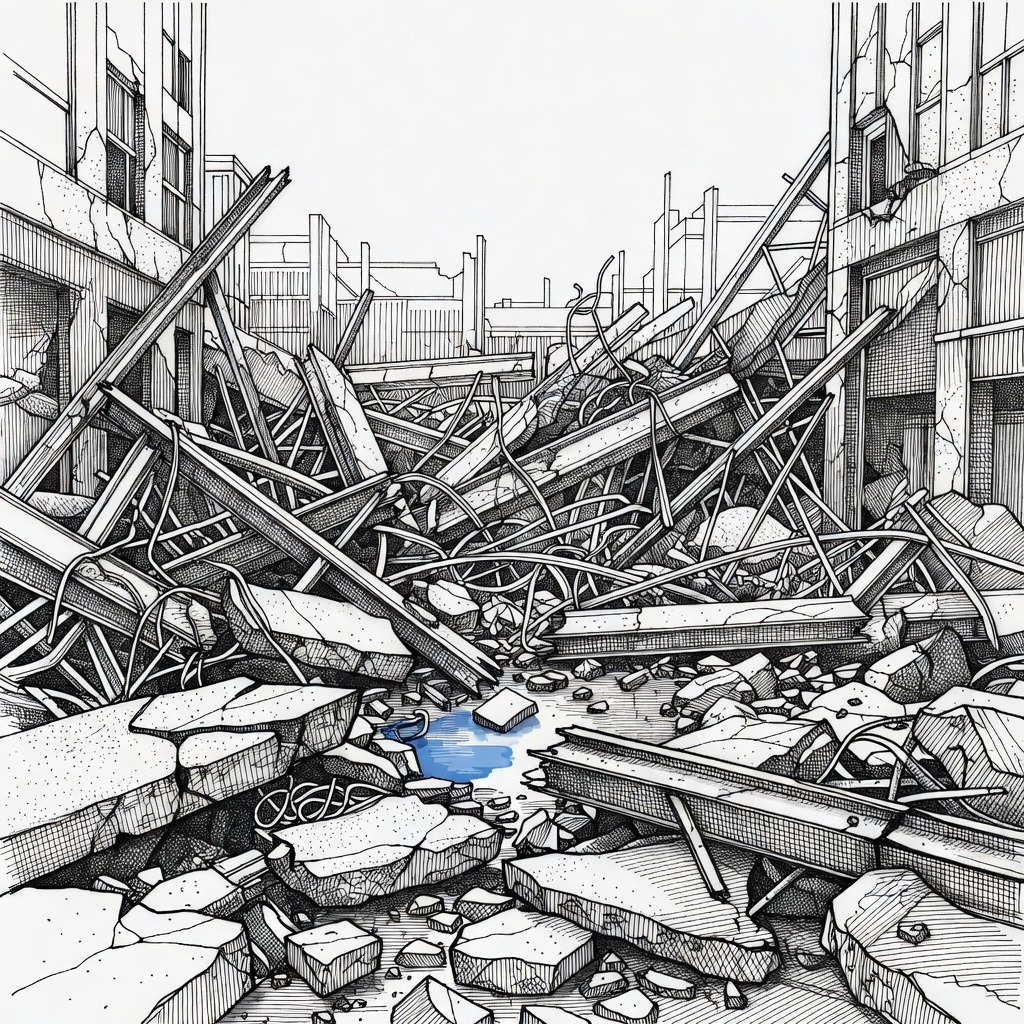
• Shielding Vulnerable Populations The immediate mobilization of disaster response task forces to address the 164 fatalities and 971 injuries represents a fundamental moral imperative. Within this framework, the success of the U.S. intervention is measured strictly by the efficacy of medical aid and search-and-rescue operations in Caracas. Prioritizing human life and alleviating civilian suffering over political calculation is viewed as the core duty of the international community following the 7.2 and 7.5 magnitude tremors.
• Fostering Multilateral Synergy The concurrent pledges of assistance from Qatar, Brazil, and China are welcomed as essential components of a unified, global response. A humanitarian perspective treats the compounding crisis as a collective burden requiring cooperative resource pooling rather than a theater for geopolitical competition. Multilateral solidarity is valued above nationalistic posturing to ensure the maximum volume of humanitarian supplies reaches the survivors trapped beneath the rubble.
• Guarding Against Aid Militarization While the Department of War's logistical deployment is tactically necessary due to the damaged Caracas airport, there remains deep caution regarding the optics of military involvement. The underlying risk is that leveraging defense assets could overshadow the civilian-led State Department efforts or unintentionally escalate regional tensions. Maintaining a strictly humanitarian footprint is deemed vital to preventing diplomatic friction and ensuring aid operates independently of Acting President Delcy Rodriguez's internal politics.
How it may affect me
As a U.S. reader:
• In the short term, individuals with commercial or personal travel plans to Venezuela will face severe logistical disruptions and flight impacts due to the structural damage reported at the Caracas airport.
• Taxpayers are funding an immediate overseas deployment of public resources, including State Department humanitarian personnel and Department of War logistical assets, to manage the disaster response and counterbalance foreign influence in the hemisphere.
• Over the long term, the reliance on U.S. military forces to bypass damaged civilian infrastructure may be utilized in domestic political debates to justify continuous financial investments in national defense and hard power readiness.