
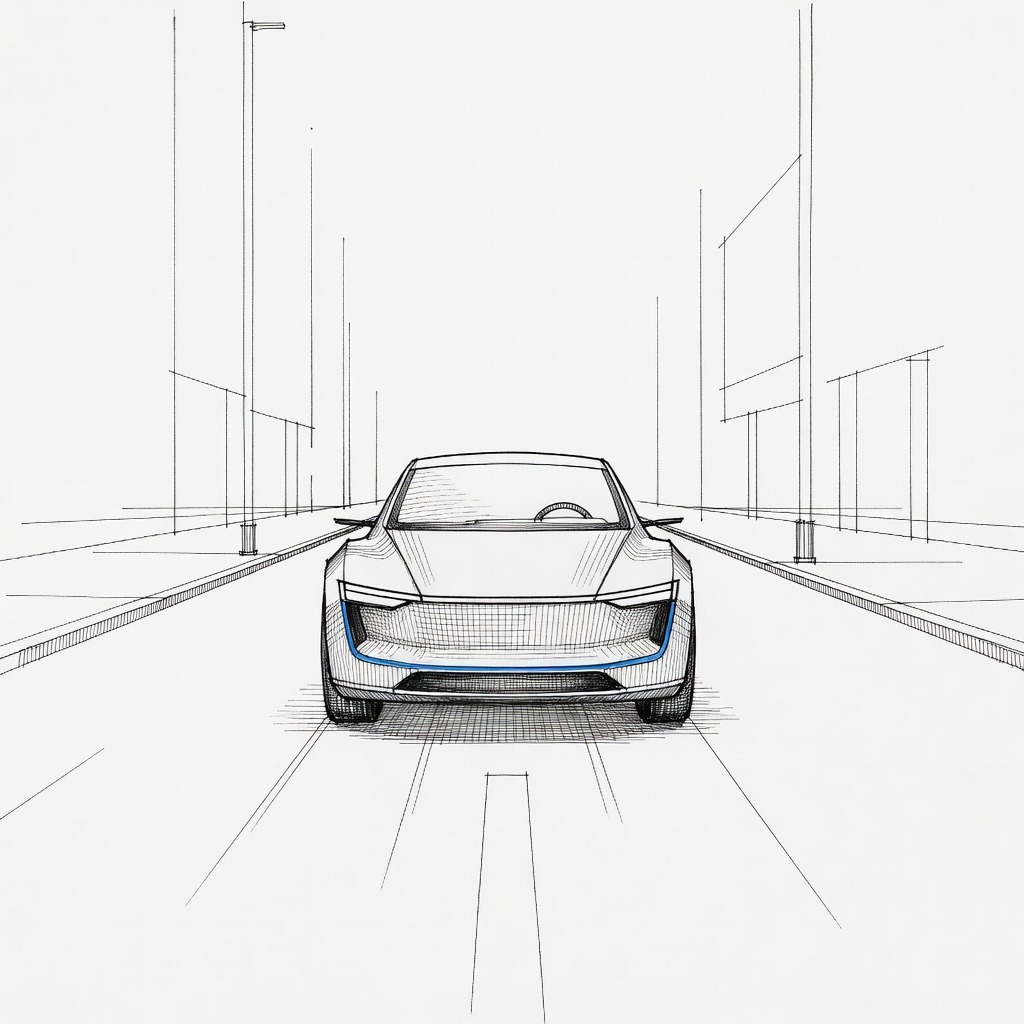
• Mandate Precautionary Regulatory Oversight Prioritizing public safety over corporate launch timelines requires strict scrutiny of Zoox’s radical pedal-less, steering-wheel-less design. The pending National Highway Traffic Safety Administration application for 2,500 vehicles represents a crucial checkpoint to ensure automated systems do not externalize safety risks onto pedestrians and local communities. Removing manual controls entirely strips away the human fail-safe, making robust, cautious federal clearance an absolute necessity rather than a bureaucratic hurdle.
• Resist Transportation Monopoly Creep Protecting equitable market access means viewing the Amazon-backed entity’s integration with Uber with deep skepticism. Fusing a subsidiary of one of the world's largest logistics corporations with the dominant ride-hailing platform creates a formidable barrier to entry for smaller competitors or public transit alternatives. This consolidation threatens to enclose municipal transit routes within a highly centralized, privately controlled ecosystem designed primarily for corporate wealth extraction.
• Question Unchecked Labor Displacement Safeguarding socio-economic stability involves analyzing the downstream human costs of transitioning from free localized testing to scaled commercial operations. While the updated touch screens and targeted 10,000-vehicle annual production run signify hardware success, this rapid expansion into paid services in cities like Las Vegas, Miami, and Austin signals a deliberate move to displace gig-economy drivers. This trajectory prioritizes tech-centric capital accumulation over sustainable, wage-paying human employment in the transportation sector.
How it may affect me
As a U.S. reader:
• In the short term, residents and visitors in initial markets like Las Vegas, San Francisco, Miami, and Austin may soon be able to hail these redesigned, completely driverless vehicles for paid trips directly through the Uber platform.
• Local communities and pedestrians will be sharing public roads with vehicles that lack any manual controls like steering wheels or pedals, introducing new safety dynamics that rely entirely on automated systems and pending federal oversight.
• Over the long term, the planned annual production and deployment of 10,000 autonomous robotaxis could significantly displace human gig-economy and ride-hailing drivers, altering employment opportunities within the local transportation sector.
• The integration of an Amazon-backed vehicle fleet into the existing Uber network could eventually impact municipal transit options by creating a centralized private transportation system that may challenge the viability of smaller ride-hailing competitors and public transit.