
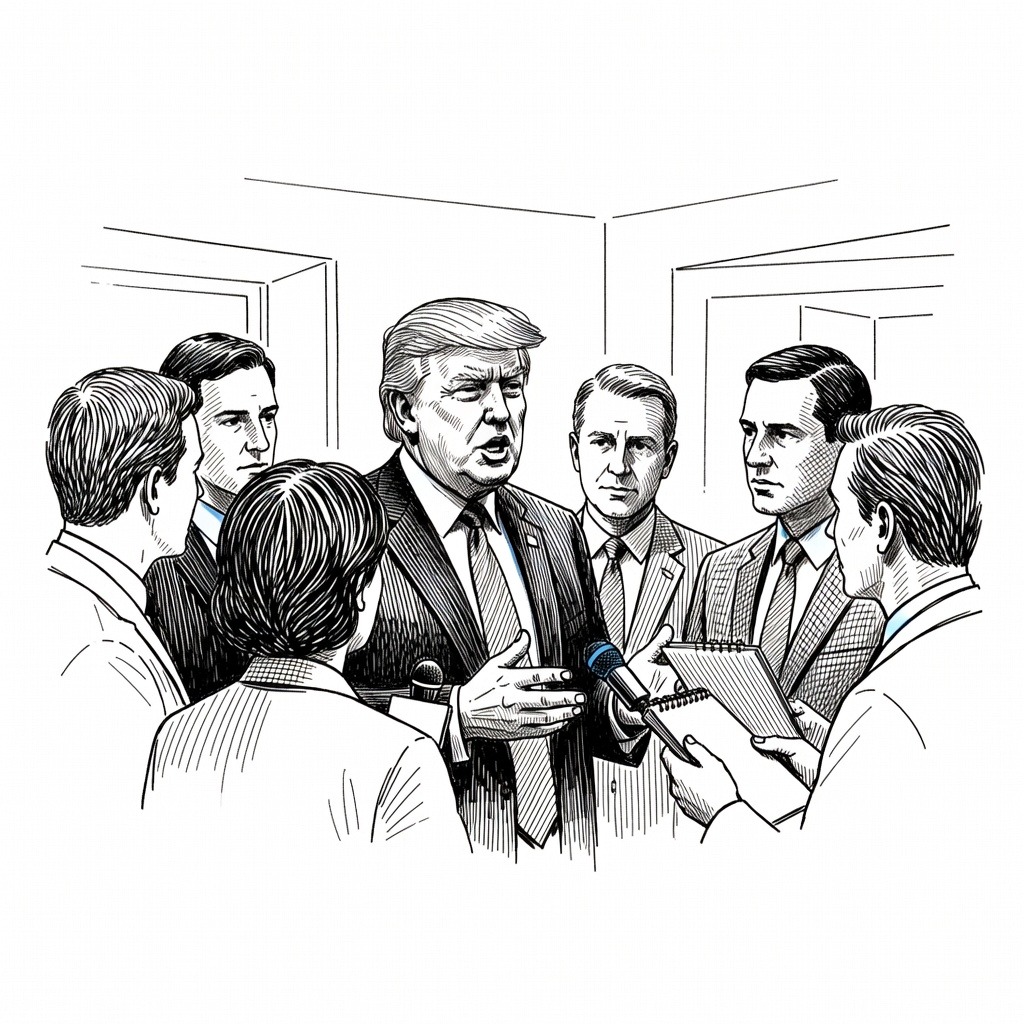
• Reasserting Congressional War Powers Prioritizing government accountability and constitutional checks, this camp views the 50-48 Senate vote restricting war powers as a necessary rebuke of executive overreach. Even without the force of law, securing a bipartisan margin—including four Republican defectors—serves as a vital institutional mechanism to challenge unilateral military action. For reformers, this legislative action is a foundational defense against an administration attempting to bypass co-equal branches of government.
• Demanding Strategic Military Transparency Valuing civil oversight and clear strategic parameters, this side interprets the four-month milestone of military action in Iran without achieved goals as a critical governance failure. Senator Cassidy’s explosive confrontation with the president over his demand for a military briefing illustrates deep bipartisan alarm regarding opaque foreign engagements. As noted by Senator Kaine and strategist Doug Heye, this perspective argues that executive military action without a publicly defined strategy evades fundamental democratic accountability.
• Rejecting Transactional Domestic Governance Viewing political hardball as a threat to institutional norms, reformers interpret the president’s subsequent maneuvers as dangerously transactional. Delaying the signing of the bipartisan 21st Century ROAD to Housing Act to force the passage of the SAVE America Act is seen as holding vital domestic progress hostage to partisan executive demands. Furthermore, dismissing the Senate's war powers resolution as "meaningless" while verbally insulting dissenting lawmakers signals an active disregard for civil liberties and legislative independence.
How it may affect me
As a U.S. reader:
• Short-term benefits or changes expected from the bipartisan 21st Century ROAD to Housing Act will be delayed for the public until Congress addresses the SAVE America Act.
• You face ongoing uncertainty regarding the scope of U.S. overseas military commitments, as actions in Iran have proceeded for four months without publicly defined goals or a clear strategy.
• In the long term, everyday citizens may experience broader legislative gridlock if the executive branch increasingly uses bipartisan domestic bills as leverage to force action on unrelated political demands.
• Ongoing disputes between the president and Congress regarding war powers may have long-term impacts on the level of transparency and oversight you receive regarding foreign military engagements.