
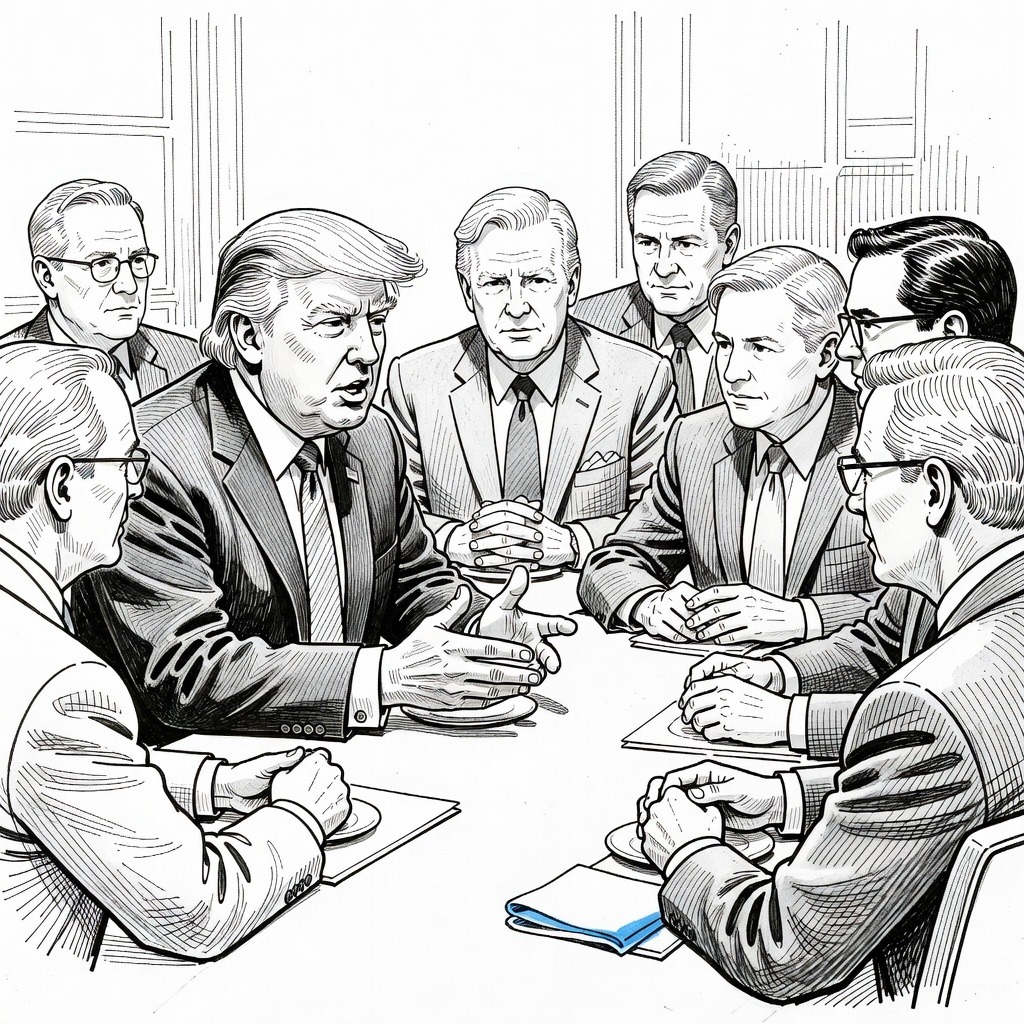
• Coercing Restrictive Voting Mandates Holding a bipartisan housing bill hostage to force the passage of the SAVE America Act demonstrates a calculated prioritization of systemic voter suppression over routine governance. The demand for proof-of-citizenship registration is perceived not as election integrity, but as a deliberate barrier designed to disenfranchise vulnerable populations. By blocking agreed-upon domestic policy to extract partisan electoral advantages, the executive branch weaponizes basic legislative functions. This tactic reveals a willingness to sacrifice immediate public welfare to alter fundamental democratic access.
• Defying Constitutional War Powers The clash over the Iran war powers resolution highlights a deep executive resistance to congressional oversight and constitutional checks and balances. Berating Senator Cassidy for questioning the administration's military narrative is viewed as an authoritarian attempt to silence democratic scrutiny regarding the use of force. Independent legislative evaluation is a crucial safeguard against unilateral military adventurism and escalation. The executive's demand for unquestioning loyalty in national security matters threatens to dangerously marginalize the Senate's role in foreign conflicts.
• Dismantling Senate Minority Protections Urging the elimination of the legislative filibuster to pass an elections bill signals a severe erosion of institutional norms. Lowering the voting threshold to a simple majority is seen as an aggressive power grab intended to override legislative consensus and centralize authority. Although Senate Majority Leader John Thune successfully rebuffed the demand, the underlying pressure exposes a disregard for parliamentary safeguards. This camp fears that shattering these procedural guardrails to pass partisan voting restrictions would permanently destabilize the legislative branch and minority representation.
How it may affect me
As a U.S. reader:
• In the short term, the public may experience a delay in domestic policy benefits due to the cancellation of the bipartisan housing bill signing, as routine legislation is being paused to prioritize election-related demands.
• In the long term, citizens registering to vote could face new administrative requirements if the SAVE America Act is passed, which would mandate proof of citizenship and alter current registration processes.
• The public could see shifts in how future foreign conflicts are handled, as the clash over the Iran war powers resolution impacts whether Congress or the executive branch will ultimately control the authorization and escalation of military action.
• Citizens might eventually experience sweeping, unchecked changes to national laws if executive pressure succeeds in eliminating the Senate filibuster, a move that would lower the voting threshold to a simple majority and remove current institutional safeguards for minority representation.