
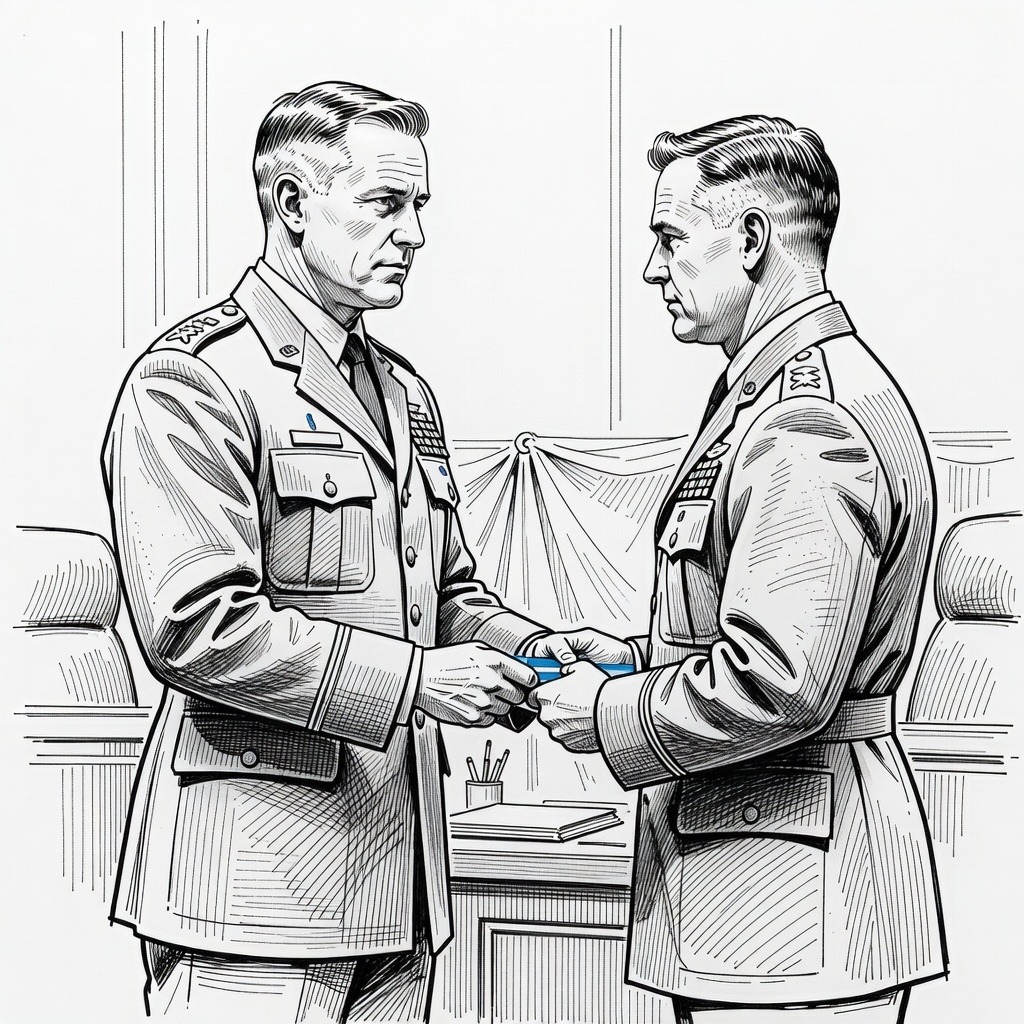
• Shielding Vulnerable International Coalitions International law and diplomatic stability require consistent, experienced leadership to protect vulnerable nations from unchecked aggression. General Donahue’s pivotal role in coordinating military assistance and advising Ukrainian forces following the 2022 Russian invasion exemplifies this commitment to global defense networks. Losing the architect of European force integration is viewed as a severe blow to international solidarity and the humanitarian effort to repel state violence.
• Resisting Destabilizing Institutional Purges Government accountability and systemic stability are deeply threatened when military leadership is subjected to sweeping, top-down removals. Defense Secretary Pete Hegseth’s broader wave of early retirements is viewed not as reform, but as an attack on the apolitical nature of the armed forces. Forcing out a highly experienced former Delta Force and 82nd Airborne commander signals a dangerous erosion of institutional continuity and civil-military safeguards.
• Gambling with Regional Escalation Diplomatic de-escalation relies heavily on the steady, stabilizing presence of American partnerships within allied networks. The forthcoming six-month review intended to shift primary defense responsibility away from American forces in Europe is perceived as a dangerous abdication of international leadership. This camp fears that rapidly withdrawing American military infrastructure will create power vacuums, escalate regional conflicts, and ultimately result in a massive humanitarian toll.
How it may affect me
As a U.S. reader:
• The planned six-month review of American troops in Europe could result in long-term shifts in the allocation of national resources and federal spending, as the initiative aims to transfer the financial and operational burden of regional defense to NATO allies.
• Short-term command restructuring and potential force withdrawals from Europe will likely alter the deployment schedules, overseas stationing, and advising missions of current U.S. military personnel and their families.
• The broader wave of early retirements among high-ranking commanders may create short-term impacts on the institutional continuity, systemic stability, and culture of the armed forces tasked with domestic protection.
• Long-term national security conditions could shift as the military alters its global posture, a move that may either preserve American military strength for direct national priorities or create overseas power vacuums that escalate international conflicts.