
• Pivot Toward Institutional Oversight The 60-day interim agreement represents a necessary off-ramp from direct hostilities, prioritizing diplomatic engagement over military escalation. By involving IAEA chief Rafael Mariano Grossi and utilizing Pakistan as a mediator for upcoming talks in Switzerland, this framework values building multilateral consensus. Even with Iran disputing immediate inspection timelines, maintaining open technical-level negotiations is viewed as the only viable, non-violent method to establish international guardrails and prevent an unmonitored nuclear breakout.
• Shield Against Unchecked Escalation The Senate’s 50-48 war powers resolution reflects a foundational commitment to institutional accountability and constitutional limits. Restraining unauthorized executive military action against Iran is prioritized to prevent the U.S. from stumbling into a catastrophic regional war. With volatile military clashes between Israeli forces and Hezbollah already straining the broader regional ceasefire, legally binding the president's use of force prevents unilateral brinkmanship from exacerbating the humanitarian toll.
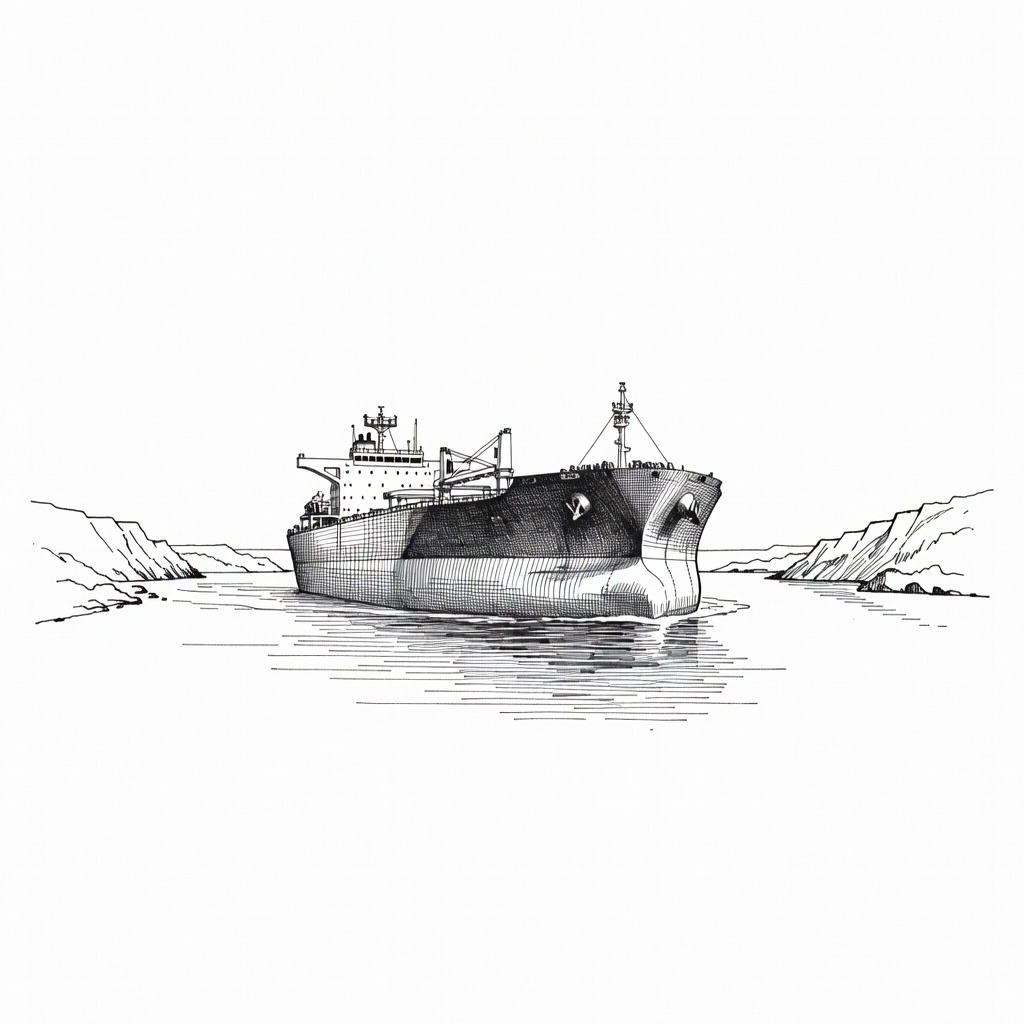
• Anchor Stability In International Law Resolving the Strait of Hormuz transit dispute through established legal norms is favored over aggressive military posturing. Secretary of State Rubio invoking international law against the transit fees proposed by Iran and Oman provides a predictable, rules-based mechanism to protect global maritime navigation. Domestically, the DOJ investigation into major oil companies aligns with the priority of protecting vulnerable consumers from corporate price-gouging during periods of international geopolitical friction and fluctuating crude prices.
How it may affect me
As a U.S. reader:
• You may see short-term impacts on domestic gasoline prices resulting from the Department of Justice investigating major oil companies for allegedly overcharging consumers despite a drop in global crude oil prices.
• Your long-term fuel costs could fluctuate depending on the Strait of Hormuz dispute, as proposed maritime transit fees by Iran and Oman could disrupt global energy markets and affect domestic energy affordability.
• The likelihood of U.S. military personnel being deployed into a new regional conflict is potentially reduced in the short term following the Senate's war powers resolution, which aims to limit unauthorized executive military action against Iran.
• Long-term national security remains uncertain, as the 60-day interim agreement temporarily pauses direct hostilities but leaves the risk of an unmonitored nuclear breakout if international inspectors are blocked from accessing Iranian facilities.