
Senate Passes Symbolic War Powers Resolution Regarding Iran

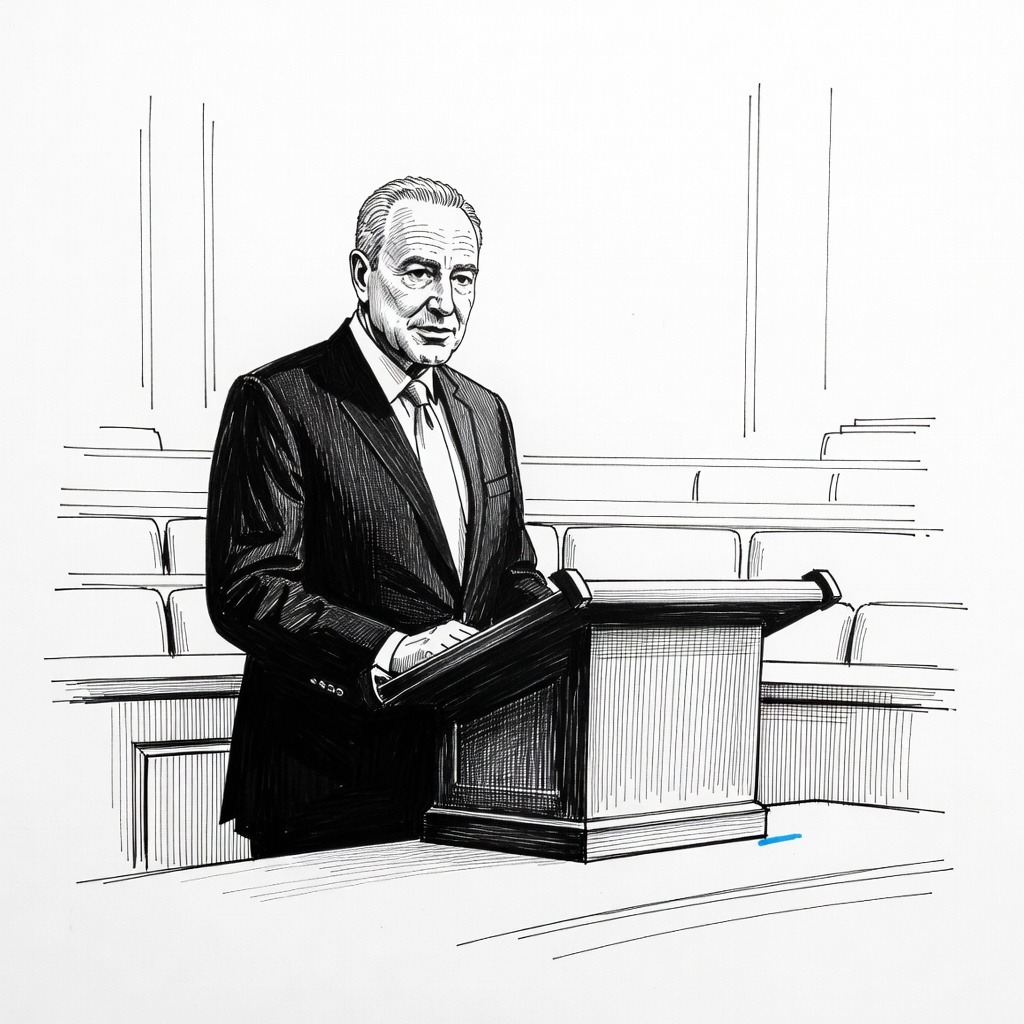
Illustration for: Senate Passes Symbolic War Powers Resolution Regarding Iran
AI-generated illustration. Visual interpretation does not represent real individuals or scenes.

THE BARE STORY

The U.S. Senate voted 50-48 to adopt a concurrent resolution instructing the president to withdraw United States military forces from hostilities against Iran unless the administration seeks formal congressional approval. The legislative action, which previously passed the House of Representatives, marks the first time both chambers have approved a measure to end the military engagement.

The final tally featured cross-party voting, with Republican Senators Bill Cassidy, Susan Collins, Lisa Murkowski, and Rand Paul supporting the resolution alongside the majority of Democrats. Democratic Senator John Fetterman opposed the measure, and two Republican senators did not vote.

Because the measure is a concurrent resolution, it does not require a presidential signature and lacks the force of law. Despite its largely symbolic nature, Representative Gregory Meeks asserted that the resolution is binding under the War Powers Resolution of 1973, while some administration officials have argued that the 1973 legislation is unconstitutional.

The administration maintains that U.S. forces are no longer engaged in active combat with Iran. A White House official stated that all such hostilities concluded with a ceasefire on April 7, dismissing the resolution's passage as lacking significance. In contrast, Senate Minority Leader Chuck Schumer urged support for the measure, stating that congressional action is the only method to officially conclude the conflict.

Same Facts. Different Perspectives.

Two AI models. Two viewpoints. One factual foundation.

• Reclaiming Constitutional War Powers Democratic systems depend on strict checks and balances against unilateral executive action. By securing a 50-48 Senate victory and passing this measure through both chambers, proponents are actively asserting legislative dominance over military engagements. This cross-party consensus, which included four Republicans, reflects the philosophical stance that Congress must explicitly authorize hostilities against Iran. Reclaiming this power is seen as essential to protecting long-term institutional accountability.

• Codifying Democratic Conflict Termination Relying on quiet, executive-led truces leaves the door open for unchecked re-escalation by the administration. Senator Chuck Schumer and Representative Gregory Meeks operate on the premise that only formal, legislative action can officially and permanently conclude a conflict. Under this framework, invoking the binding nature of the 1973 War Powers Resolution is a necessary mechanism to lock in peace. It ensures that ending hostilities is a matter of transparent, democratic law rather than shifting administrative whims.

• Shielding Against Executive Overreach Unchecked executive authority fundamentally threatens the constitutional balance of power. The administration’s open dismissal of the 1973 War Powers Resolution as "unconstitutional" is interpreted by this camp as a dangerous erosion of congressional oversight. Passing this resolution, even as a concurrent measure lacking a presidential signature, serves as a vital democratic tripwire. It publicly rebukes an administration attempting to consolidate war-making power beyond its legal mandate.

How it may affect me

As a U.S. reader:

• There is no significant public impact expected from this event, as the concurrent resolution is largely symbolic, lacks the force of law, and addresses a military engagement that the administration states already concluded with an April 7 ceasefire.

Read the story at

Note: All TheBareNews content is AI-generated. For additional context, reporting, and updates, you are invited to explore the news outlets linked above.