
• Harvesting the Peace Dividend Prioritizing de-escalation, this perspective views the broader defense stock selloff as a profound geopolitical victory rather than a market failure. The sector's pullback, triggered by progressing Ukraine-Russia peace talks and concluding US-Iran friction, indicates that diplomatic levers are effectively reducing global hostilities. Shifting capital away from wartime economies reflects a stabilization of international relations and a necessary reduction in the global military-industrial footprint.
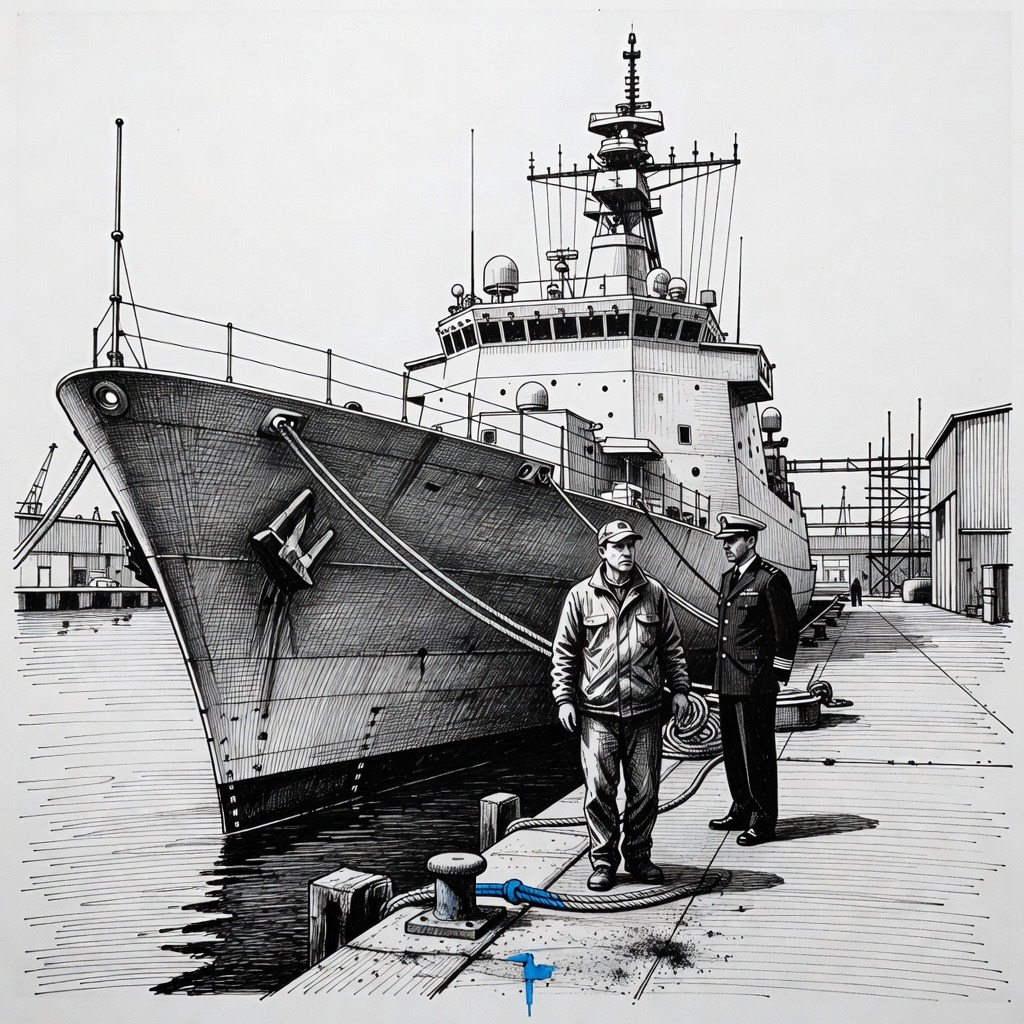
• Scaling Down Bloated Procurement Valuing prudent resource allocation, Germany's shift from Rheinmetall’s multi-billion-euro F126 project to eight smaller Meko A-200 frigates is seen as a vital course correction. This strategic pivot prevents unchecked arms procurement and limits the outsized influence of mega-contractors that rely on perpetual conflict for market growth. Scaling down naval acquisitions ensures that government defense spending remains strictly tethered to proportionate defensive needs rather than corporate profit targets.
• Anchor of Democratic Oversight Focused on strict institutional accountability, maintaining equal 40 percent stakes by France and Germany in the KNDS IPO guarantees that military modernization remains under sovereign, democratic control. Floating only a strictly capped 20 percent to institutional investors in Paris and Frankfurt provides utility while shielding the armored vehicle manufacturer from purely profit-driven market dictates. This ownership structure acts as a necessary firewall, preventing private equity from unilaterally incentivizing European arms proliferation.
How it may affect me
As a U.S. reader:
• The reported conclusion of friction between the United States and Iran points to a short-term stabilization in international relations, potentially reducing the immediate likelihood of U.S. military escalation and shifting focus away from a wartime economy.
• U.S. individuals invested in international markets or global defense funds may experience short-term portfolio volatility, as shifting sentiment toward global conflict resolution has triggered a broad selloff in major defense stocks.
• Over the long term, Germany's decision to cancel its acquisition of heavy naval frigates may weaken Europe's capacity to secure contested sea lanes, altering the broader global deterrence posture and international maritime security landscape.