
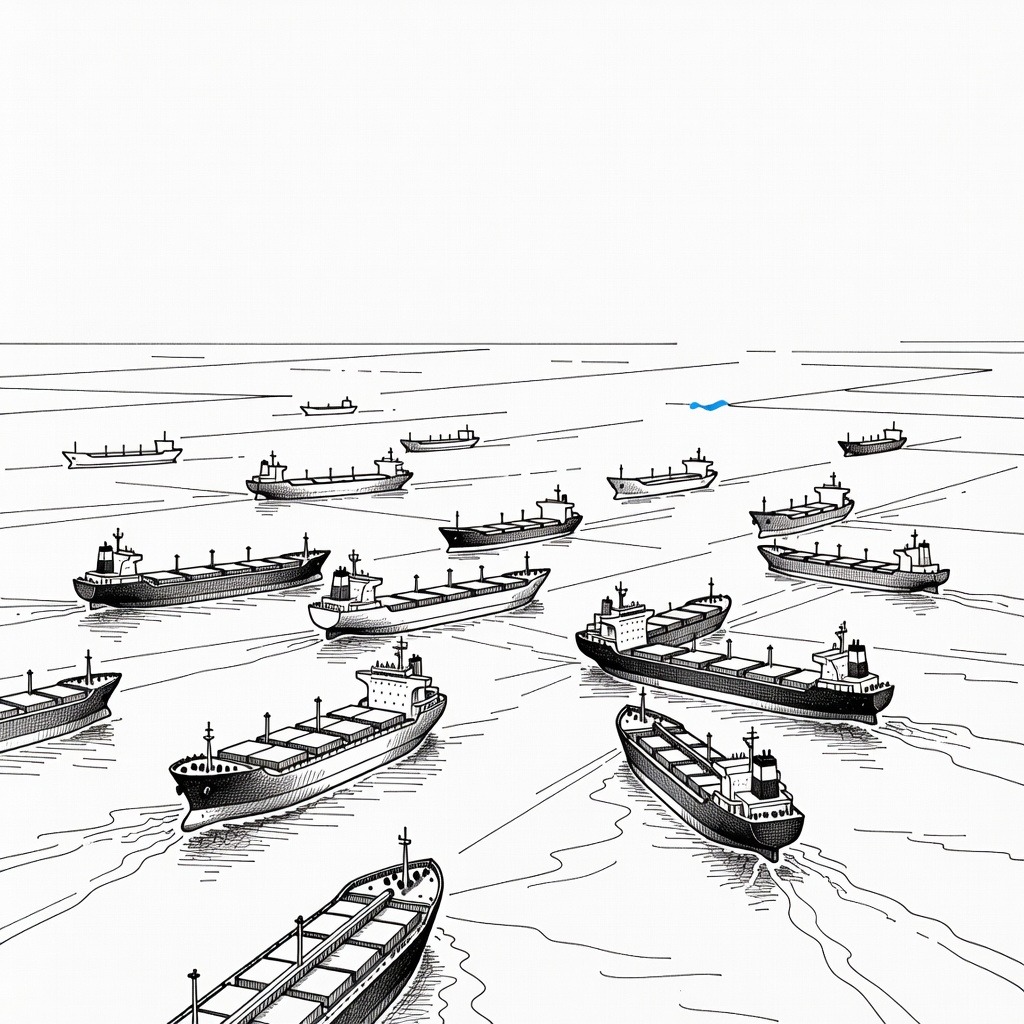
• Shield of Multilateral Coordination The core humanitarian priority is protecting innocent lives caught in the crossfire of geopolitical brinkmanship. The successful IMO-brokered evacuation plan for 11,000 stranded seafarers proves that negotiated, phased international cooperation—partnering directly with regional actors like Oman—is the most effective mechanism for resolving complex standoffs. Securing temporary maritime corridors guarantees human safety and restores basic commerce in a region where military posturing utterly failed.
• Blowback of Unilateral Aggression De-escalation advocates view the initial United States and Israeli military strikes in late February as the root catalyst for this entirely preventable crisis. The subsequent four-month blockade, which choked off 20 percent of the world’s daily oil supply, exemplifies the cascading humanitarian and economic costs of kinetic escalation. This predictable retaliatory blowback underscores why aggressive military action frequently generates vastly more harm and regional instability than it prevents.
• Gamble of Hardline Absolutism Sustaining peace and saving lives requires pragmatic, sustained dialogue rather than rigid ideological posturing. While the 60-day ceasefire framework provides a crucial window to clear mines and extract civilian vessels, preemptive legal threats from U.S. officials like Secretary Rubio regarding potential transit fees risk provoking a collapse of the memorandum of understanding. Prioritizing legal absolutism over diplomatic momentum threatens to derail the fragile truce before the maritime crisis is fully resolved.
How it may affect me
As a U.S. reader:
• The gradual reopening of the Strait of Hormuz will provide short-term economic relief by resuming global shipments of critical commodities and restoring access to 20 percent of the daily global oil supply that was blocked for four months.
• Consumers could see long-term price increases on goods and fuel if future Iranian transit fees are implemented under the new framework, which would effectively place a new tax on international shipping routes.
• The current ceasefire is limited to 60 days, leaving the public exposed to renewed supply chain disruptions and energy shortages if ongoing diplomatic disputes over international waterways cause the fragile truce to collapse.