
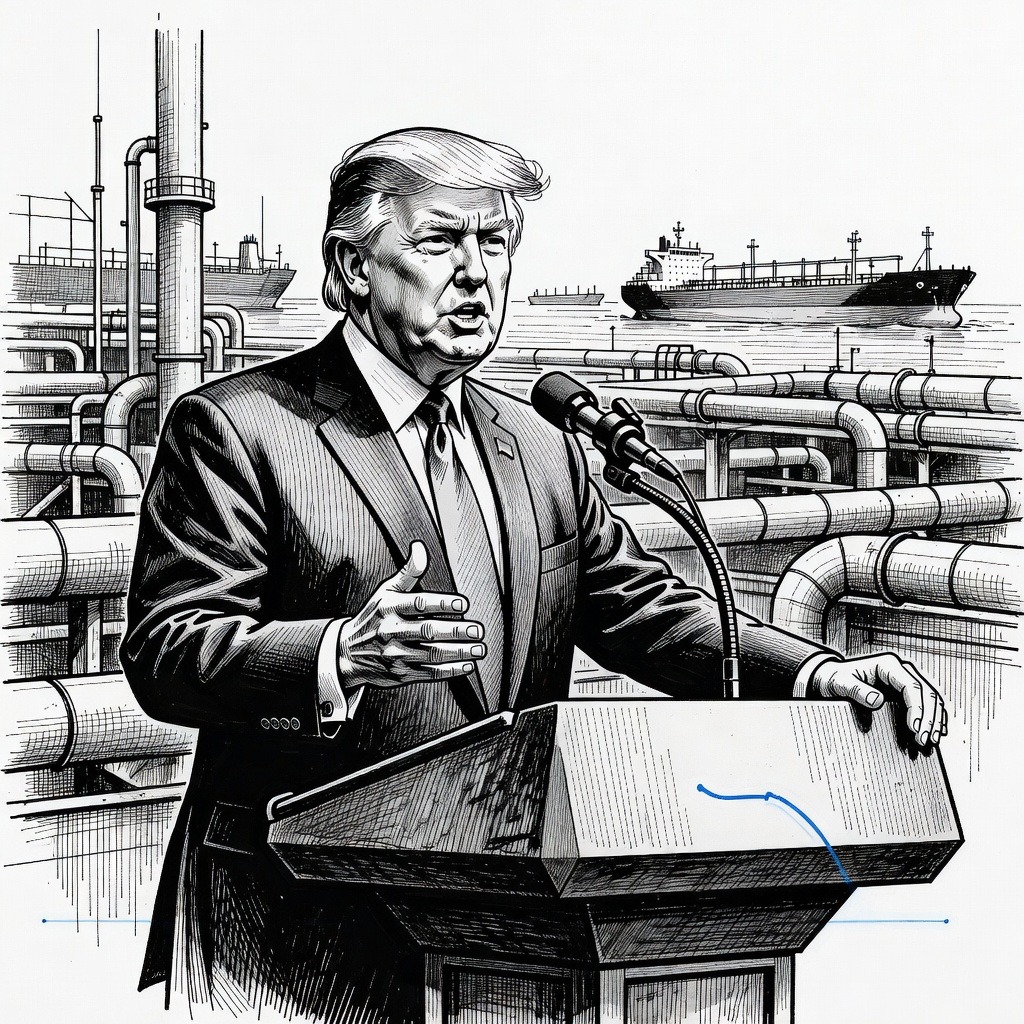
• Pivot to Diplomatic Resolution Prioritizing negotiated settlements over armed conflict, this framework views Vice President JD Vance's reported progress in the Switzerland talks as a triumph of international diplomacy. By issuing a 60-day Treasury license for Iranian oil imports, policymakers are utilizing strategic economic relief to defuse a volatile geopolitical flashpoint. This approach demonstrates that engaging adversaries through established diplomatic channels is far more effective at achieving stability than relying on military brinkmanship.
• Shielding the Global Consumer Focusing on the economic well-being of everyday citizens, this perspective interprets the drop in West Texas Intermediate crude to $73 per barrel as a direct victory for consumers. Because easing geopolitical tensions naturally cools commodity markets, the diplomatic outreach directly translates to relaxed inflationary pressures. This validates the belief that cooperative international relations ultimately protect the domestic working class from the regressive tax of energy-driven inflation.
• Mitigating Sovereign Friction Risks Despite current diplomatic progress, there remains a deep concern regarding the precarious nature of international maritime law in the region. The joint statement from Oman and Iran emphasizing sovereign territorial rights, coupled with conflicting reports over the status of the Strait of Hormuz, highlights the fragility of the current peace. Emphasizing international cooperation, this side fears that aggressive unilateral assertions by U.S. Central Command could provoke accidental escalation and undermine the delicate diplomatic progress achieved in Switzerland.
How it may affect me
As a U.S. reader:
• In the short term, everyday consumers may experience lower fuel and energy costs because crude oil prices have dropped to 73 dollars per barrel, which helps ease broader inflationary pressures on the working class.
• American agricultural communities could see a direct boost in sales and revenue, as the 60-day Treasury license anticipates that Iran will use its oil proceeds to purchase U.S. corn and soybeans.
• Future borrowing costs for the public will depend on how these lower oil prices ultimately affect overall inflation, which the Federal Reserve is currently monitoring to guide its upcoming interest rate decisions.
• In the long term, consumers and investors could face a return of energy-driven inflation and market volatility if the temporary diplomatic stability collapses after the U.S. Treasury license expires on August 21.