
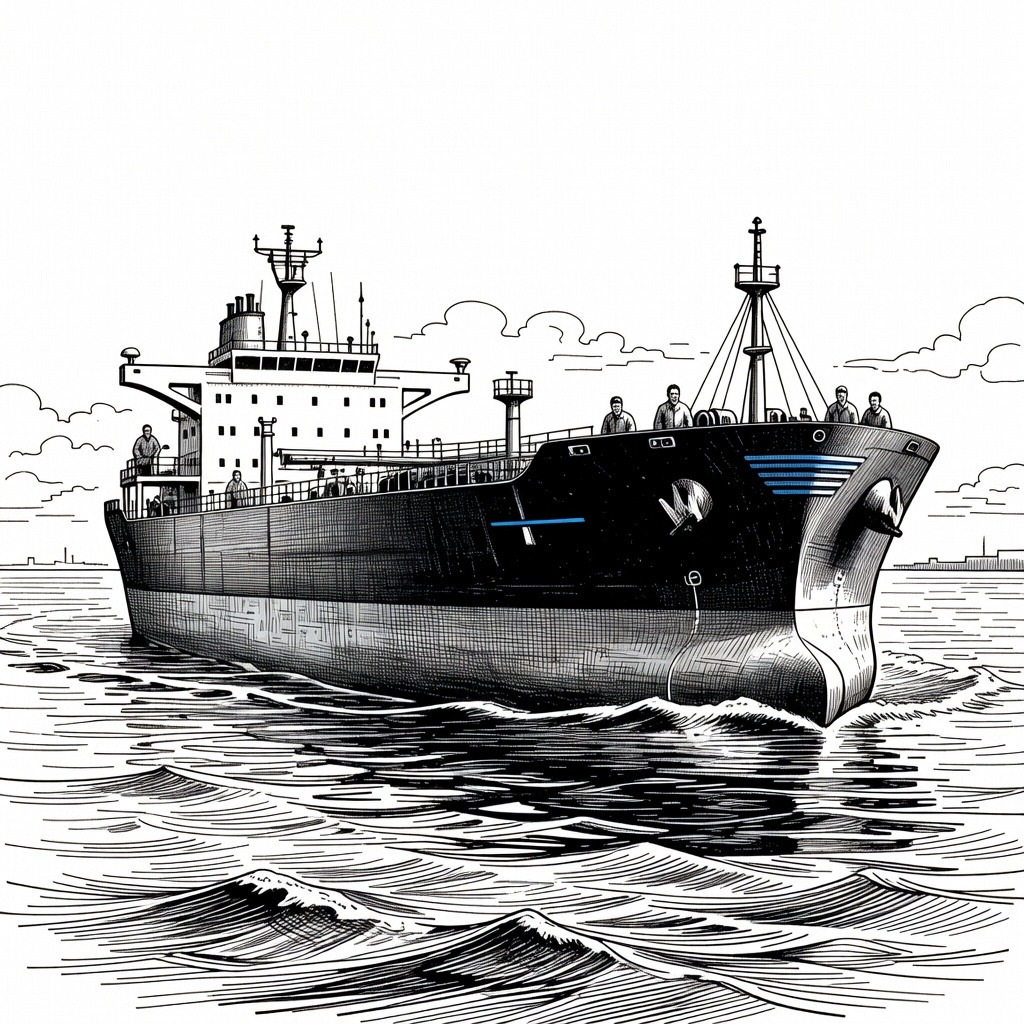
• Engine for Regional De-escalation Prioritizing international diplomacy and the reduction of regional hostilities requires dismantling mechanisms of collective punishment. The lifting of the naval blockade and the issuance of a 60-day sanctions waiver represent vital first steps in transitioning the Switzerland memorandum into a functional peace process. Permitting commercial shipping to surge through the Strait of Hormuz demonstrates a commitment to de-escalation over militarized brinkmanship. This approach values the restoration of maritime normalcy and Pakistani-mediated dialogue as the surest path away from armed conflict.
• Peril of Transactional Diplomacy Sustainable international agreements rely on shared reality rather than unilateral demands tailored for domestic political consumption. The Trump and Vance assertion that unfrozen funds are strictly earmarked for American agricultural purchases introduces a coercive, transactional dynamic to the diplomatic thaw. By framing the sanctions relief as a forced subsidy for U.S. farmers, the administration undermines the mutual trust required for lasting peace. This approach actively invites the swift, public rejections from Iranian officials Hemmati and Bahreini, needlessly destabilizing the initial agreement.
• Gamble on Fragile Frameworks Meaningful non-proliferation demands absolute transparency and mutually recognized, multilateral enforcement mechanisms. The immediate, glaring disconnect regarding nuclear oversight—where U.S. leaders claim compliance but Iranian spokesman Esmaeil Baqaei flatly denies any planned inspections of damaged sites—exposes the fragile nature of this bilateral arrangement. A diplomatic framework built on contradictory public narratives cannot guarantee long-term security. Without a unified agreement on site verification, this temporary de-escalation risks quickly unraveling into renewed regional instability.
How it may affect me
As a U.S. reader:
• Short-term energy and global supply chain dynamics could be affected by the 60-day sanctions waiver allowing Iranian oil sales and the resumption of commercial shipping through the Strait of Hormuz.
• American farmers face uncertainty regarding a potential short-term economic boost, as U.S. officials claim unfrozen Iranian assets must be used to purchase American agricultural products, while Iranian officials explicitly deny this obligation.
• Long-term national security and the risk of future U.S. involvement in regional conflicts remain unresolved, as contradictory claims over nuclear site inspections and unrestricted oil profits raise concerns about adversarial military rebuilding.