
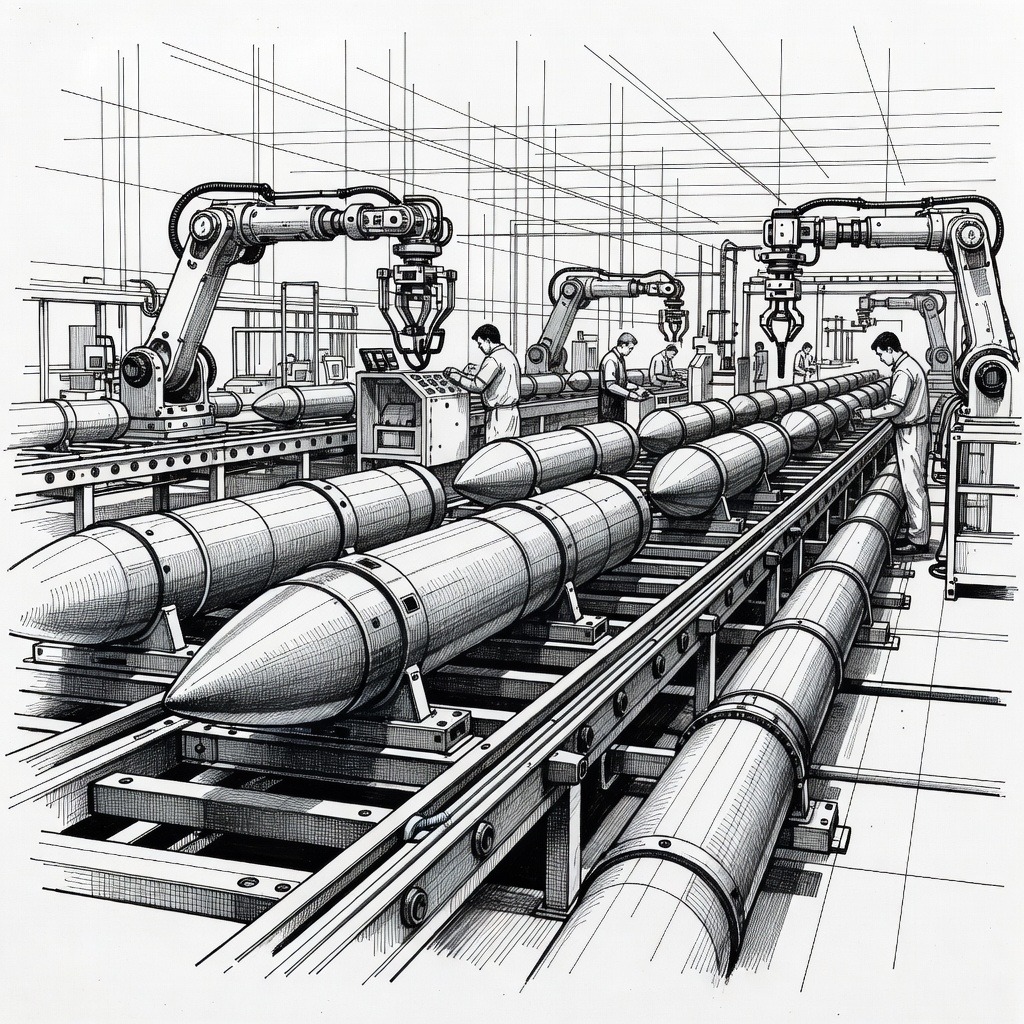
• Gamble Of Armed Diplomacy Prioritizing diplomatic de-escalation requires establishing mutual trust and actively reducing the immediate threat of violence. Pushing to expand domestic manufacturing of missiles and munitions at the exact moment peace negotiations with Iran are underway signals aggression rather than a sincere commitment to conflict resolution. This faction views aggressive military industrialization during active diplomacy as a highly provocative maneuver that risks derailing fragile peace processes and sparking further regional instability.
• Shield Against Corporate Extraction Protecting the public interest demands rigorous oversight of institutions that extract taxpayer wealth for private gain. The executive order restricting defense contractor stock buybacks and the specific scrutiny of Northrop Grumman’s dividend increases highlight deep flaws in the military-industrial complex. From this perspective, defense executives actively prioritizing shareholder payouts over basic supply chain stability proves that corporate financial extraction, rather than genuine national need, drives much of the sector's demands.
• Hazard Of Bloated Militarization Advocating for social progress relies on heavily questioning institutional expenditures that lock a nation into a state of perpetual warfare. Demanding a $350 billion military funding package appears deeply contradictory when the administration explicitly admits that current stockpiles are already adequate to meet all strategic objectives. This side fears that invoking the Defense Production Act to mandate excess munitions manufacturing diverts vital national resources away from civil infrastructure and solidifies a dangerous reliance on military force.
How it may affect me
As a U.S. reader:
• Taxpayers face a potential long-term financial shift, as the proposed 350 billion legislative package for military funding could redirect federal resources away from civilian infrastructure.
• Investors and individuals with retirement funds tied to defense contractors may experience short-term financial impacts due to the executive order restricting corporate dividends and stock buybacks.
• The invocation of the Defense Production Act is likely to cause a short-term reorganization of the domestic manufacturing sector, as defense companies are pressured to prioritize missile and munitions supply chains over standard financial practices.
• The dual approach of expanding military industrialization while conducting peace talks with Iran presents long-term security implications, as the strategy could either secure a negotiated settlement through diplomatic leverage or risk sparking further regional instability.