
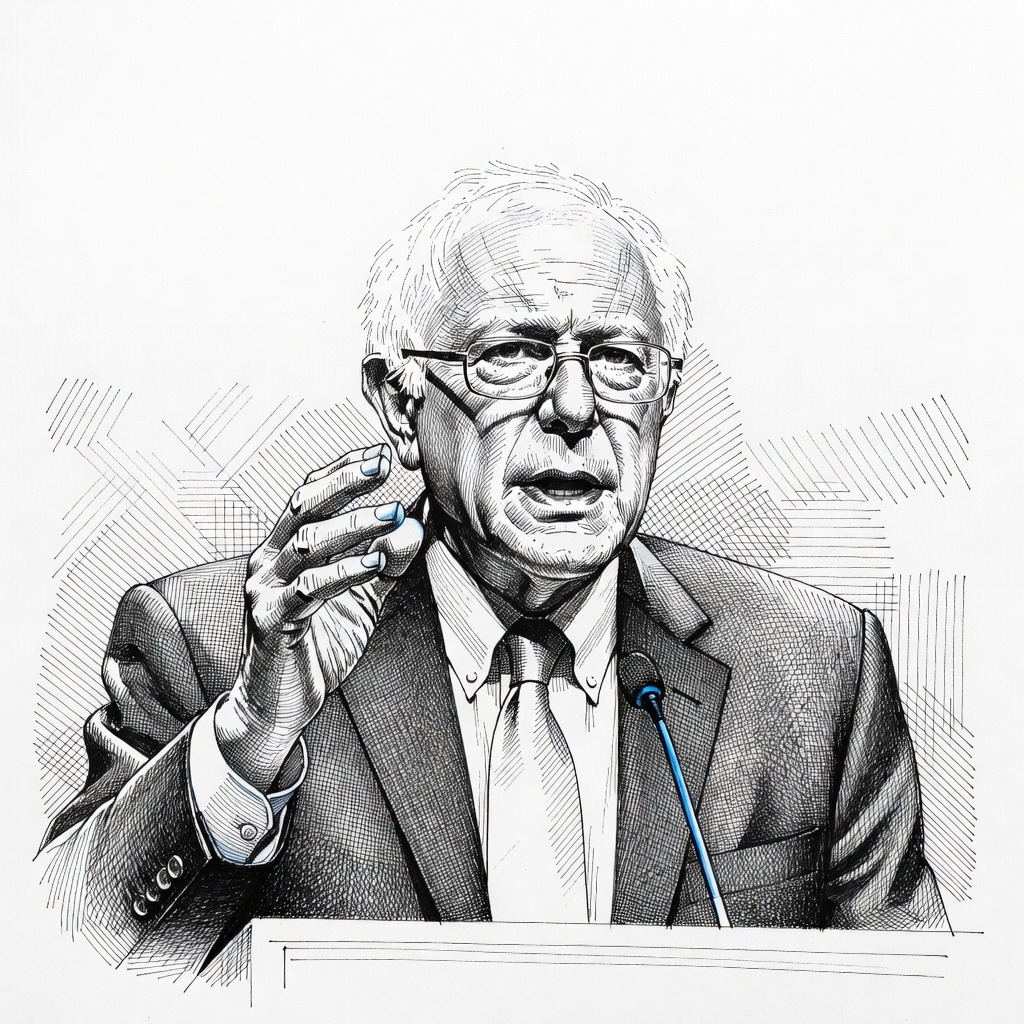
• Dismantle Entrenched Political Monopolies Challenging institutional incumbents like Dan Goldman and Adriano Espaillat is viewed as a necessary disruption of a complacent political status quo. By leveraging Zohran Mamdani and Bernie Sanders’ political capital to back challengers like Brad Lander and Darializa Avila Chevalier, this faction seeks to redistribute power away from established elites. The primary serves as a vehicle to replace passive governance with aggressive progressive accountability, prioritizing working-class advocacy over party loyalty.
• Condemn Complicity in Atrocities Mayor Mamdani’s characterization of AIPAC and opposing politicians as "monsters" backing "genocide" reflects a strict moral absolutism regarding global human rights. From this perspective, prioritizing polite political decorum over the vocal condemnation of systemic violence is a fundamental failure of leadership. Reformers view aggressive, uncompromising rhetoric as a required tool for moral clarity, effectively forcing the political establishment to answer for its support of controversial foreign military actions.
• Expose Systemic Ethnic Exclusion Accusations that Espaillat’s surrogates are deploying anti-Black racism against Haitians expose how institutional forces weaponize ethnic divisions to maintain their grip on power. Reformers interpret the defense of "Dominican American political influence" as an exclusionary, establishment tactic designed to marginalize intersecting minority groups. Demanding that the congressman condemn this rhetoric is a deliberate move to protect vulnerable populations and ensure that political representation is truly inclusive rather than gatekept by legacy power brokers.
How it may affect me
As a U.S. reader:
• In the long term, the success or failure of these progressive challengers could alter the ideological makeup of the Democratic Party in Congress, determining whether voters are represented by established pragmatic lawmakers or candidates focused on aggressive working-class advocacy.
• In the short term, the escalation of severe campaign rhetoric involving accusations of genocide, antisemitism, and the labeling of opponents as monsters may further polarize public discourse and increase hostility within civil society.
• Constituents may face short-term disruptions in local neighborhood stability as campaigns navigate racial and ethnic tensions, potentially fracturing historically established community alliances between different minority groups.
• A shift toward candidates who aggressively challenge established lobbying groups and foreign military actions could lead to long-term changes in how constituents' views on global human rights are represented at the federal legislative level.