
• Gamble on Unprofitable Hubris The crowning of the world’s first U.S.-dollar trillionaire against a backdrop of massive institutional financial losses represents a stark failure of market rationality. SpaceX reported a staggering $4.9 billion net loss in 2025 and an additional $4.28 billion loss in just the first quarter of this year, yet speculative capital continues to flood the stock. This dynamic highlights a broken financial system where visionary hype shields mega-corporations from the consequences of poor profitability, ultimately transferring systemic economic risk onto ordinary retail investors.
• Facade of Shared Prosperity While the creation of 4,000 "paper millionaires" among staff is marketed as a victory for workers, this equity distribution masks profound structural wealth concentration. The vast majority of the $85.7 billion IPO valuation disproportionately consolidates unprecedented economic power into a single chief executive rather than structurally empowering the labor force. Relying on volatile stock options to compensate factory workers and contractors leaves vulnerable employees tethered to unpredictable market fluctuations, rather than providing guaranteed, equitable compensation derived from a fundamentally sound balance sheet.
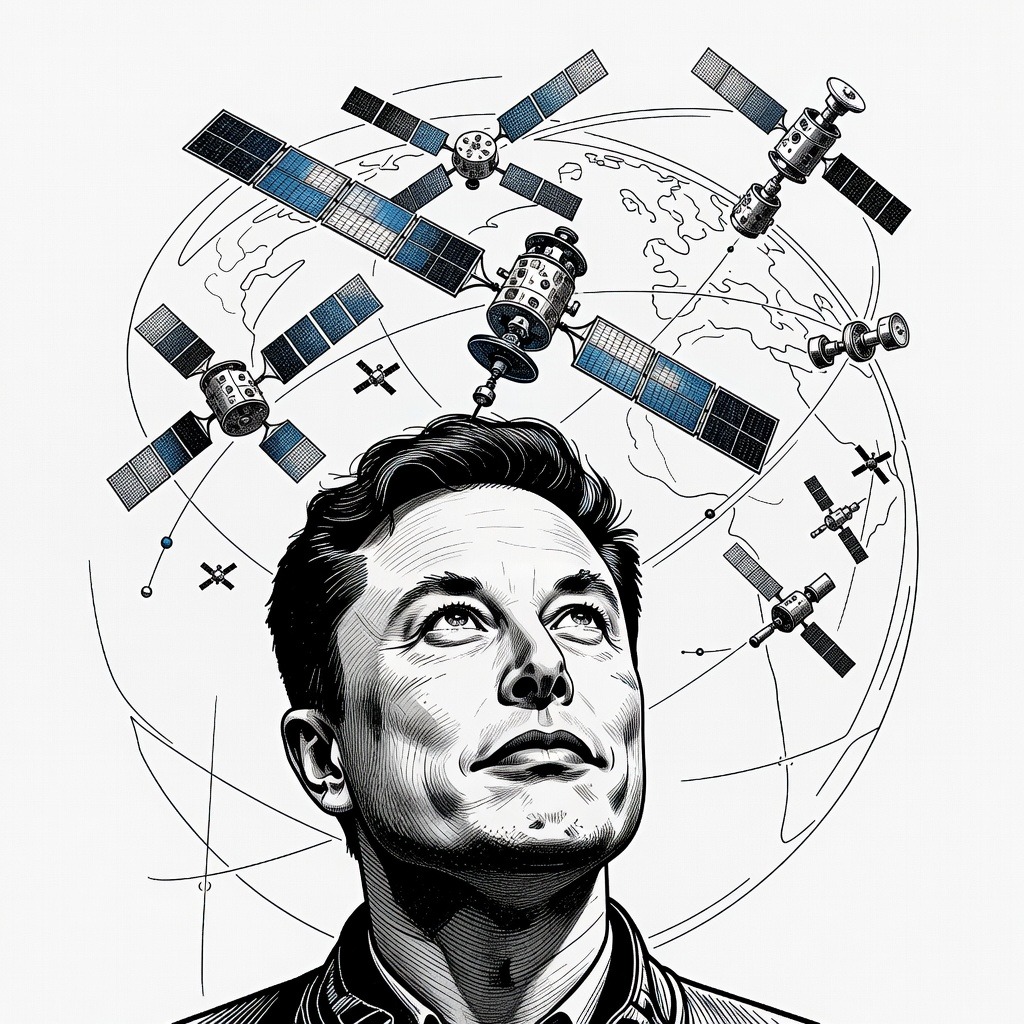
• Privatizing the Orbital Commons The push to launch a constellation of up to one million satellites represents a dangerous corporate enclosure of low Earth orbit. As companies like SpaceX, Blue Origin, and Alphabet race to build space-based AI data centers, they are rapidly privatizing a shared global frontier without democratic oversight or regulatory restraint. Economists rightfully caution that this speculative infrastructure spree threatens to export terrestrial corporate extraction into space, socializing the long-term ecological and spatial risks while keeping the technological rewards strictly privatized.
How it may affect me
As a U.S. reader:
• In the short term, everyday retail investors may face increased portfolio volatility and financial exposure if they invest in the newly public space sector, which features speculative high valuations alongside billions of dollars in reported corporate net losses.
• Over the medium term, the planned construction of a $119 billion terrestrial technology facility in Texas by 2029 will likely bring significant infrastructure development, job creation, and economic stimulation to the region.
• In the long term, shifting energy-intensive artificial intelligence data centers into orbit could alleviate growing demand on local power grids, potentially mitigating domestic energy constraints and earthly environmental impacts.
• Also in the long term, the rapid deployment of up to one million commercial satellites could crowd low Earth orbit, introducing new spatial and ecological risks to the shared space environment as private companies build infrastructure without established democratic oversight.