
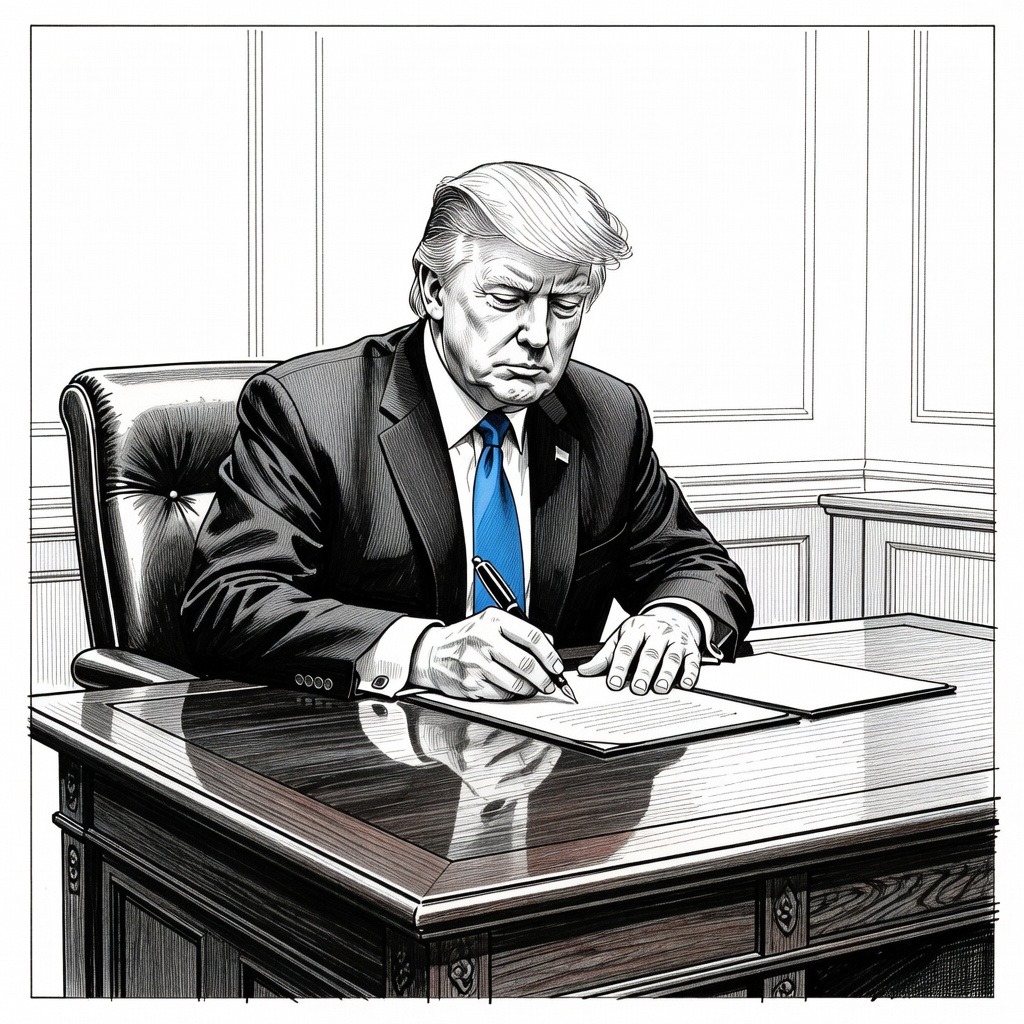
• Pivot Toward Diplomatic De-escalation Securing a memorandum of understanding in Switzerland establishes a necessary foundation for non-violent conflict resolution. Prioritizing ongoing negotiations over immediate kinetic action reflects a core commitment to regional stability and the preservation of human life. The 60-day diplomatic window functions as a vital off-ramp from escalating geopolitical hostilities, viewing war as a fundamental failure of statecraft rather than a tool of first resort.
• Validate Methodical Phased Consensus Building an initial framework—defended by Vice President Vance and Senator Cotton—acknowledges that resolving entrenched international disputes requires measured, step-by-step engagement. Demanding immediate, maximalist capitulation ignores the mechanical realities of modern diplomacy and often sabotages the peace process. Sustained diplomatic talks provide the most reliable mechanism to gradually alter adversarial behavior without provoking sudden retaliation.
• Shield Against Kinetic Escalation Former Vice President Pence's demand to authorize military force if specific objectives are not met within 60 days exemplifies the precise danger of militarized foreign policy. Setting a rigid, short-term ultimatum for the complete termination of complex nuclear and terrorism programs creates an artificial tripwire for armed conflict. Abandoning the diplomatic framework for a military resolution guarantees immense humanitarian costs, unpredictable blowback, and broader regional destabilization.
How it may affect me
As a U.S. reader:
• In the short term, you face a critical 60-day window that will determine whether the government secures a peaceful diplomatic framework or pivots toward armed conflict in the Middle East.
• A successful diplomatic resolution would yield long-term regional stability, preventing the need to deploy U.S. armed forces and avoiding the associated human costs and unpredictable blowback of war.
• Should the negotiations fail to completely dismantle Iran's nuclear ambitions and support for terrorism, you may see the authorization of U.S. military force, which could lead to broader international destabilization.
• The final outcome of this memorandum directly impacts your national security, as the success or failure of neutralizing these specific foreign threats dictates whether the homeland remains exposed to persistent aggression.