
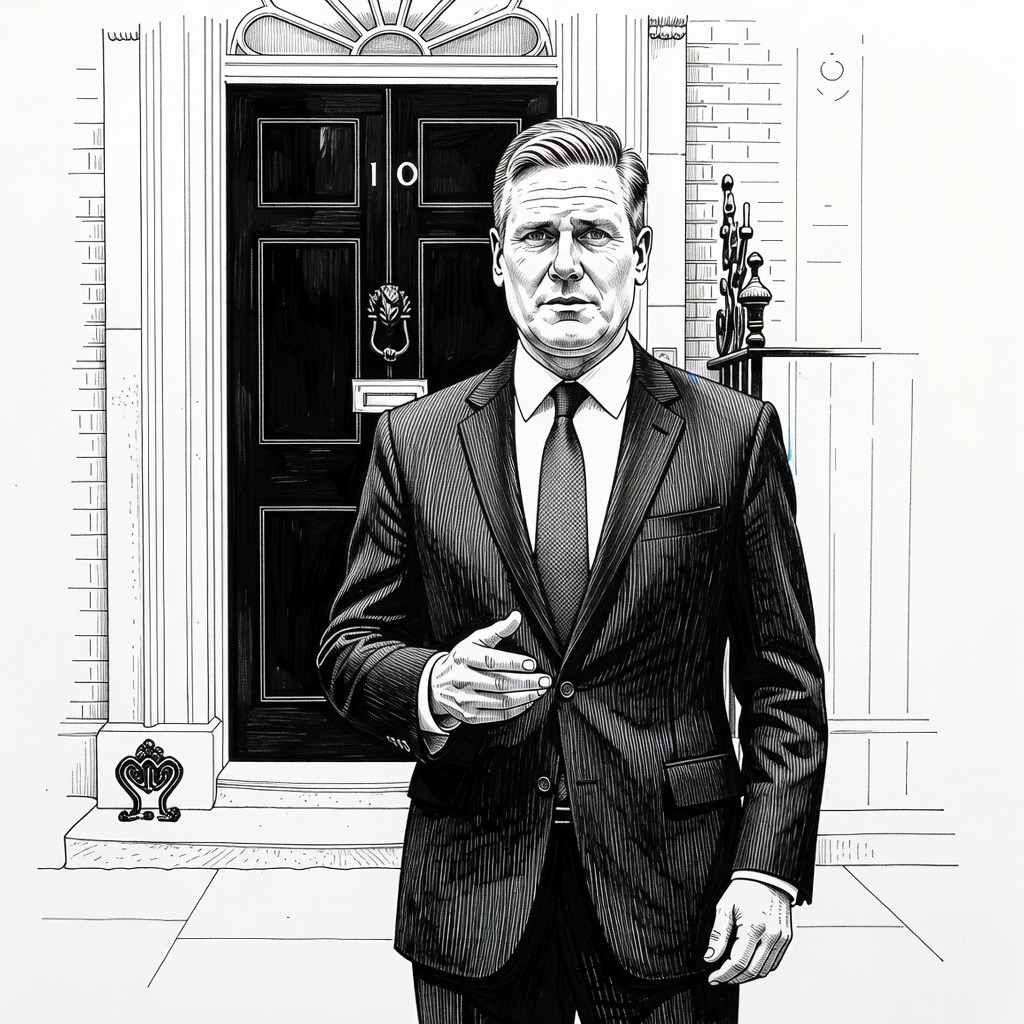
• Reckoning for Centrist Complacency The loss of over 1,000 council seats in the May local elections represents a clear public mandate against incremental, status-quo politics. By attempting to cautiously manage the system rather than enacting bold systemic change, Starmer alienated the grassroots coalition that initially delivered his 2024 victory. This electoral collapse highlights the urgent demand for leadership that prioritizes material improvements for local communities over risk-averse political calculation.
• Purging Entrenched Institutional Rot The appointment of Peter Mandelson as U.S. ambassador exemplifies a dangerous reliance on unaccountable political elites. Elevating a figure scrutinized for past associations with Jeffrey Epstein actively undermines public trust and signals a profound disregard for ethical governance. Removing executives who protect morally compromised insiders is a necessary step toward dismantling corrupt power structures and restoring total transparency.
• Pivot Toward Social Priorities Internal party dissatisfaction over Starmer’s fiscal policy and military spending indicates a growing rejection of conservative-lite economic frameworks. The upcoming leadership contest, featuring newly minted MP Andy Burnham, offers a critical opportunity to realign government action with equitable domestic investment rather than defense build-ups. The impending transition is viewed not as a crisis, but as a necessary correction to abandon austerity mindsets and prioritize vulnerable citizens.
How it may affect me
As a U.S. reader:
• In the short term, bilateral diplomatic and political engagements may slow down while the U.K. operates under a transitional caretaker prime minister until September.
• The U.S. could see a change in British diplomatic representation in Washington if the incoming U.K. government decides to replace Peter Mandelson as ambassador to the U.S. due to ongoing scrutiny over his past associations.
• In the long term, shared international defense strategies may be altered if the new U.K. leadership responds to internal party demands to reduce military spending in favor of domestic social priorities.
• Future cooperation on immigration and energy policies between the two nations may undergo adjustments, as U.S. President Donald Trump explicitly criticized the outgoing U.K. administration's record on these specific issues.