
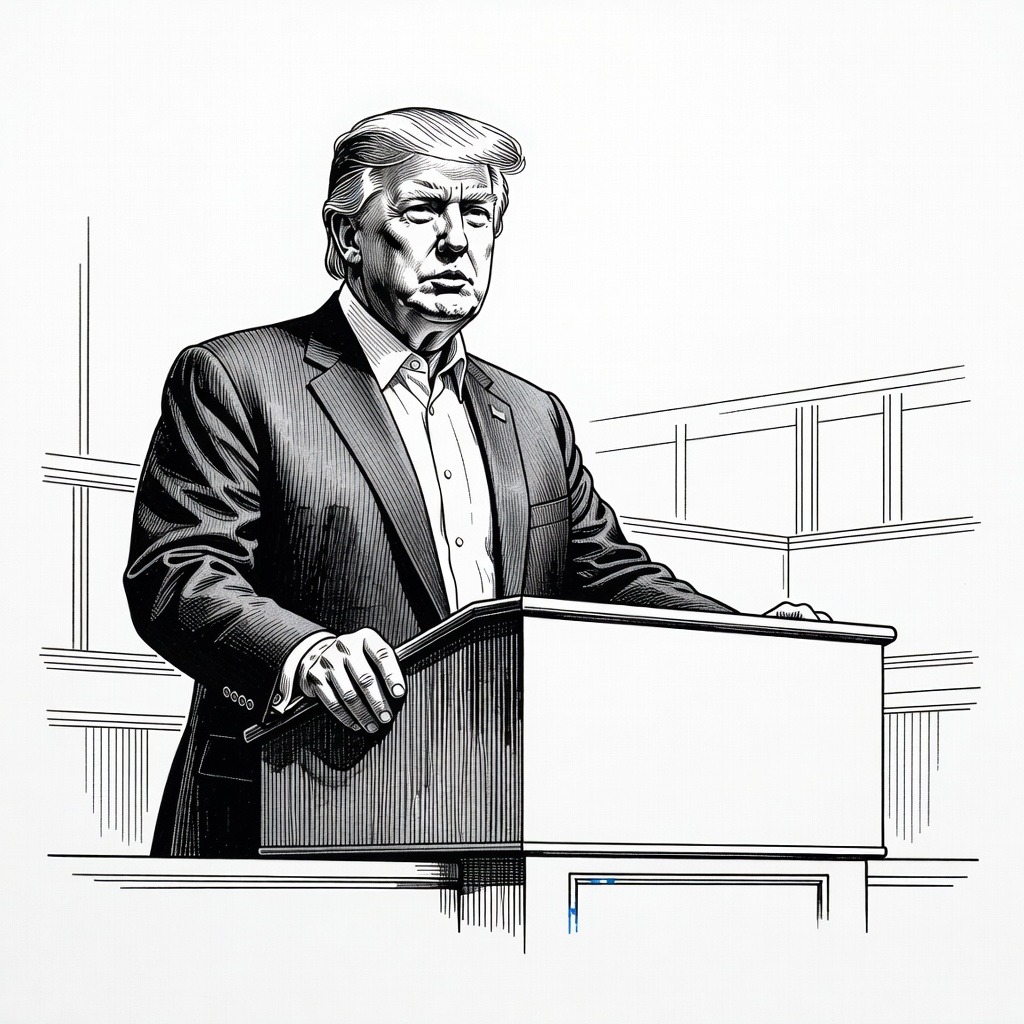
• Shielding the Democratic Apparatus. The Reformer prioritizes institutional accountability, viewing the proposed $1.8 billion fund as a dangerous subversion of the justice system. By highlighting the bipartisan concern that this money could compensate participants in the January 6, 2021, Capitol riot, this camp frames the May initiative—swapping a $10 billion IRS lawsuit for taxpayer payouts—as an attempt to explicitly reward anti-democratic behavior and undermine civil stability.
• Enforcing Institutional Accountability. Verbal assurances from Justice Department attorneys are deemed entirely insufficient when direct statements from President Trump contradict them. Judge Brinkema’s demand for sworn, written declarations from Acting Attorney General Blanche and Treasury Secretary Bessent is validated as a necessary legal mechanism to bind an unpredictable executive branch to the truth and prevent backdoor maneuverings.
• Exposing Executive Bad Faith. The Justice Department's invocation of "separation of powers" to avoid signing a basic compliance document is interpreted as an evasion tactic. Refusing this judicial requirement signals a covert intent to eventually deploy the $1.8 billion fund, completely justifying the continued injunction and demonstrating the persistent threat of executive overreach without strict judicial guardrails.
How it may affect me
As a U.S. reader:
• In the short term, $1.8 billion in taxpayer funds remains frozen by a court injunction and will not be distributed to individuals claiming they faced prosecutorial overreach during the Biden administration.
• The indefinite hold on this fund stalls a broader legal settlement, meaning an existing $10 billion lawsuit against the Internal Revenue Service remains active and unresolved.
• Individuals seeking financial compensation for alleged government abuses, as well as those involved in the January 6 Capitol riot, will not receive restorative payouts from this initiative while the legal block remains in place.
• Over the long term, the clash over judicial requirements could set new legal precedents regarding the separation of powers, specifically dictating whether federal judges can compel cabinet-level executive officials to sign sworn declarations to finalize settlements.