
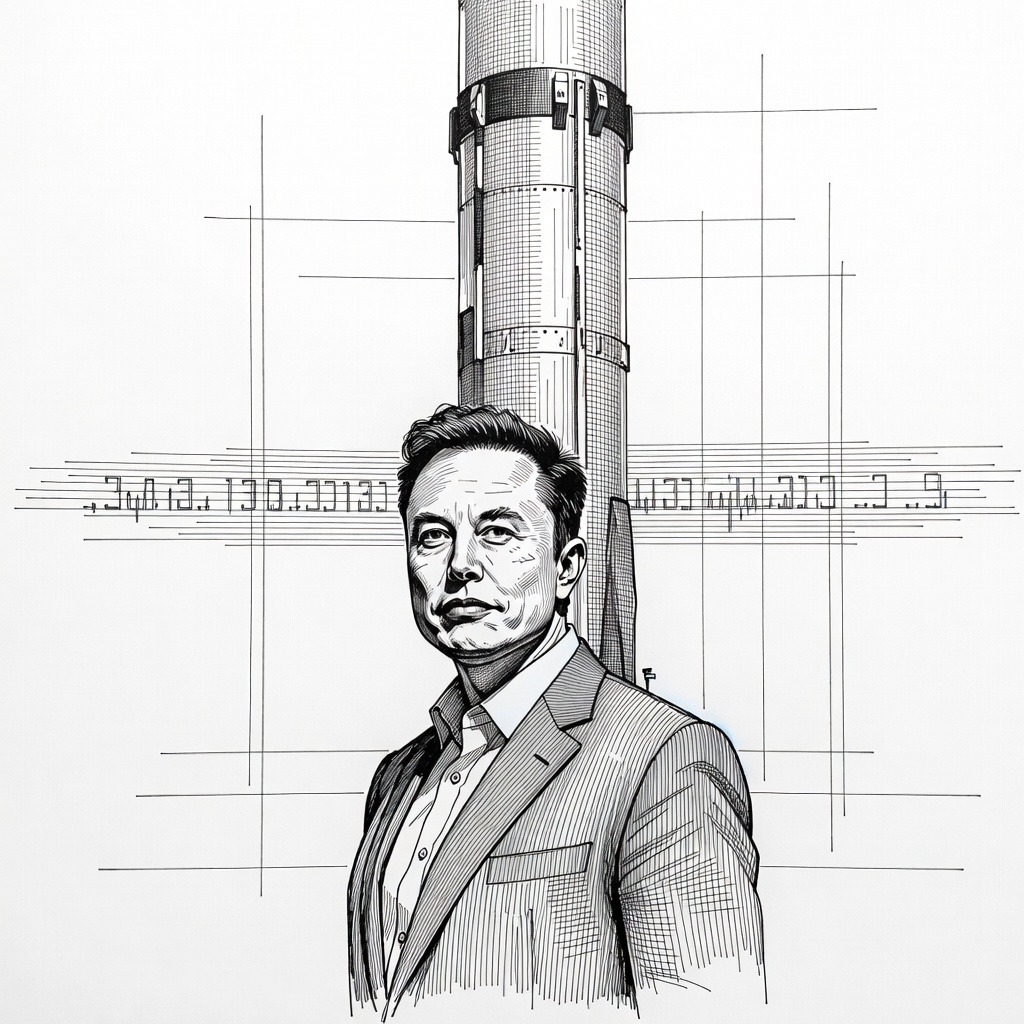
• Engine for Extreme Stratification Prioritizing wealth distribution over unchecked accumulation frames the public listing primarily as an accelerator for systemic inequality. The market capitalization pushing Elon Musk’s personal stake past $1 trillion, while simultaneously minting billionaires like Gwynne Shotwell and Bret Johnsen, illustrates how modern capital markets function to consolidate capital at the absolute top. Rather than generating broad economic prosperity, the initial public offering structurally isolates and rewards a highly concentrated group of early insiders.
• Trap for Secondary Retail Viewing financial systems through the lens of consumer protection highlights the asymmetric risk inherent in post-IPO volatility. While early allocations at the $135 offering price preserved gains, the subsequent Thursday pullback actively diminished the wealth of everyday retail investors who purchased shares on the open market after the initial surge. This dynamic exposes a systemic market reality where hype-driven momentum effectively extracts capital from late-arriving public buyers to stabilize the broader valuation.
• Monopoly on Visionary Power Prioritizing institutional accountability demands skepticism toward corporate structures that consolidate extreme economic weight around a single individual. With Musk maintaining control over high-level strategy and vision while delegating daily operations to Shotwell, a trillion-dollar entity operates with immense societal impact but highly centralized authority. This arrangement creates dangerous leverage over crucial aerospace infrastructure, risking the subjugation of broader public interests to the specific technical whims of one founder.
How it may affect me
As a U.S. reader:
• Everyday retail investors face immediate short-term financial risks and rewards, experiencing preserved wealth if they secured early shares at the offering price or diminished capital if they purchased during the initial open-market surge.
• The long-term direction of crucial commercial aerospace infrastructure remains under a highly centralized corporate structure, leaving broader public interests in space technology heavily dependent on the strategic vision of a single founder.
• The record-breaking public listing establishes a long-term economic precedent that signals immense financial rewards for high-risk technological innovation while simultaneously accelerating systemic wealth concentration among early insiders and top executives.