
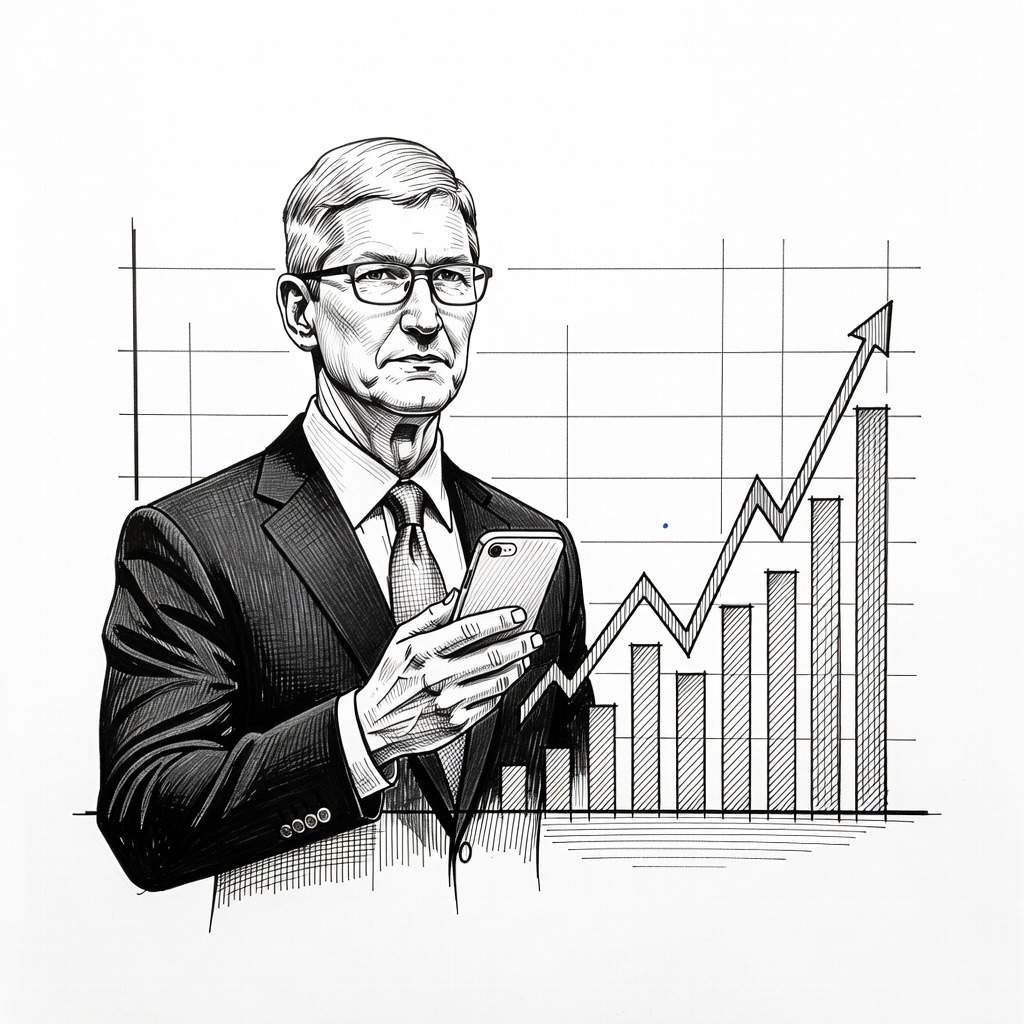
• Shielding Corporate Profit Margins Prioritizing institutional wealth accumulation over consumer accessibility drives this pricing strategy. Apple’s decision to pass the projected $100 to $270 price increase onto buyers for the next iPhone Pro protects the company's historic profit margins rather than absorbing systemic shocks. Tim Cook’s framing that the company previously attempted to "shield" customers obscures the reality that everyday users are ultimately forced to subsidize macroeconomic supply chain failures.
• Collateral Damage of AI The unchecked expansion of enterprise artificial intelligence directly penalizes the consumer hardware market and limits public access to technology. Because corporate data centers are consuming immense manufacturing capacity for AI hardware, the available supply for consumer electronics is actively being starved. This dynamic effectively functions as a regressive tech tax, where everyday consumers pay premium prices to offset an industry-wide obsession with AI development.
• Monopolizing Future Tech Infrastructure The structural shift toward AI infrastructure enriches a highly concentrated group of tech titans at the expense of broad market equity. Amazon's push to sell custom chips—which CEO Andy Jassy estimates could generate a $50 billion annual revenue run rate as a standalone entity—and Apple's Siri integration with Google’s Gemini illustrate a rapidly tightening oligopoly. This consolidation of power locks users into increasingly expensive ecosystems where a few interconnected megacorporations dictate market terms and consumer costs.
How it may affect me
As a U.S. reader:
• In the short term, consumers planning to purchase upcoming Apple models like the next iPhone Pro will face direct out-of-pocket price increases estimated between $100 and $270.
• Everyday buyers may experience reduced availability and higher costs for broader consumer electronics, as global manufacturing capacity is being prioritized for enterprise artificial intelligence data centers.
• Users will begin interacting with new artificial intelligence features on their personal devices, such as Apple's newly introduced Siri assistant developed in partnership with Google.
• In the long term, individuals may find themselves locked into increasingly expensive technology ecosystems as a few interconnected megacorporations consolidate control over market terms and hardware.
• Over time, the higher upfront costs absorbed by device buyers are expected to fund ongoing structural technology upgrades and future research and development.