
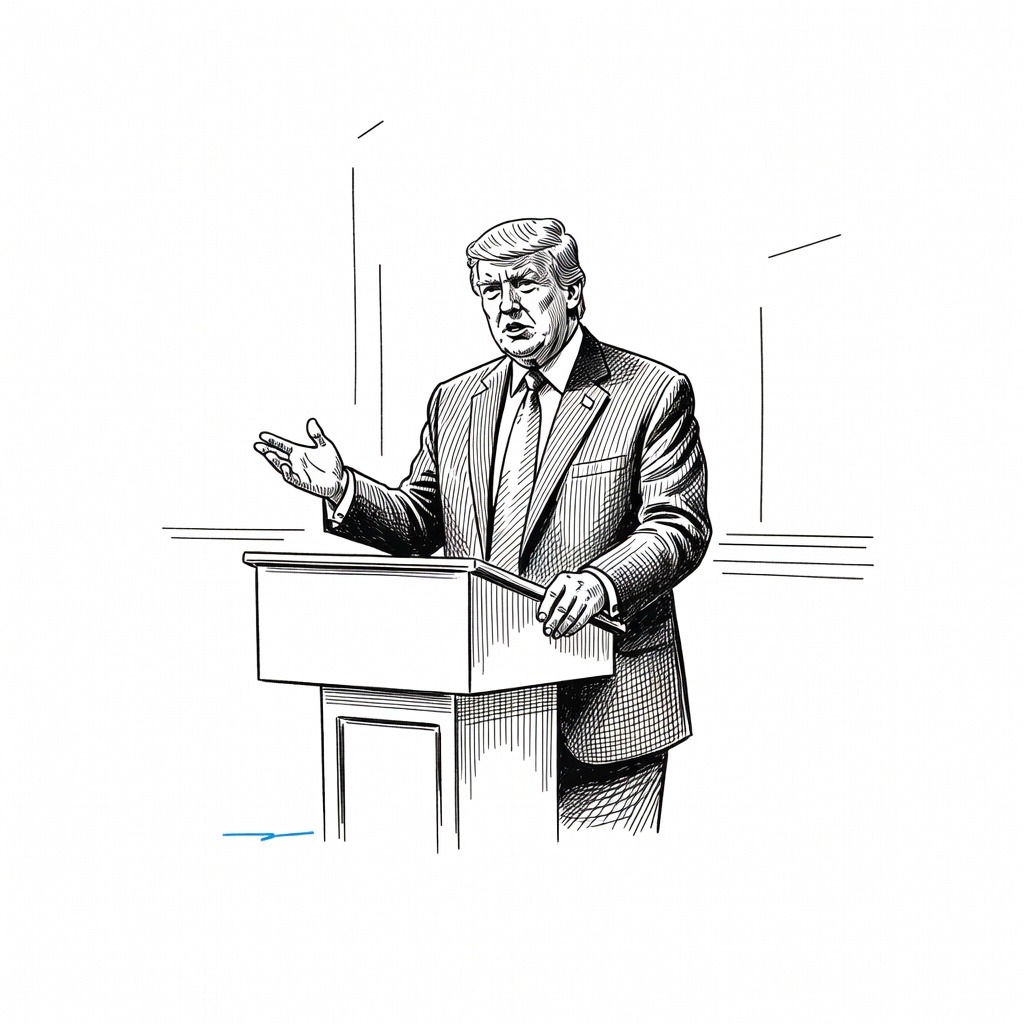
• Shield Against Political Weaponization Prioritizing government accountability necessitates strict boundaries between federal agencies and partisan vendettas. Placing Bill Pulte as acting director violates this boundary, as his tenure at the Federal Housing Finance Agency was marked by mortgage fraud investigations targeting the president's political opponents. Elevating a figure with a history of leveraging state apparatuses against domestic rivals signals a dangerous slide toward politicized power. The primary goal is preventing the normalization of using executive authority for political retribution.
• Rejecting Transactional Security Gambles Safeguarding the republic requires treating national security infrastructure as an absolute necessity, not as leverage for unrelated domestic legislation. Halting Jay Clayton's nomination and stalling Section 702 of FISA to force the passage of the SAVE America Act and James McDonald's U.S. Attorney confirmation treats critical intelligence functions like bargaining chips. Senator Mark Warner’s characterization of this tactic as a national security threat stems from the belief that operational readiness is being actively sabotaged to secure a partisan elections overhaul.
• Erosion of Institutional Guardrails Maintaining an effective national defense requires technocratic competence and deep sectoral expertise. Installing Pulte, a figure lawmakers note entirely lacks national intelligence experience, prioritizes personal allegiance over functional capability. This camp views the deliberate bypassing of the traditional Senate confirmation process as an intentional dismantling of the institutional guardrails designed to keep unqualified loyalists out of highly sensitive security roles.
How it may affect me
As a U.S. reader:
• The stalled reauthorization of Section 702 of the Foreign Intelligence Surveillance Act could lead to short-term disruptions in the operational readiness of the country's national security and intelligence infrastructure.
• If the administration's negotiation tactics succeed in forcing the passage of the SAVE America Act, citizens could experience long-term changes to voting procedures, specifically new federal mandates requiring voter identification and proof of citizenship.
• The installation of an acting director from outside the traditional intelligence sector may cause short-term bureaucratic shifts and operational disruptions as the administration works to challenge and reform entrenched agency practices.
• Elevating a director with a documented history of investigating political opponents introduces the long-term possibility of federal security and state apparatuses being leveraged against domestic political rivals rather than traditional foreign threats.